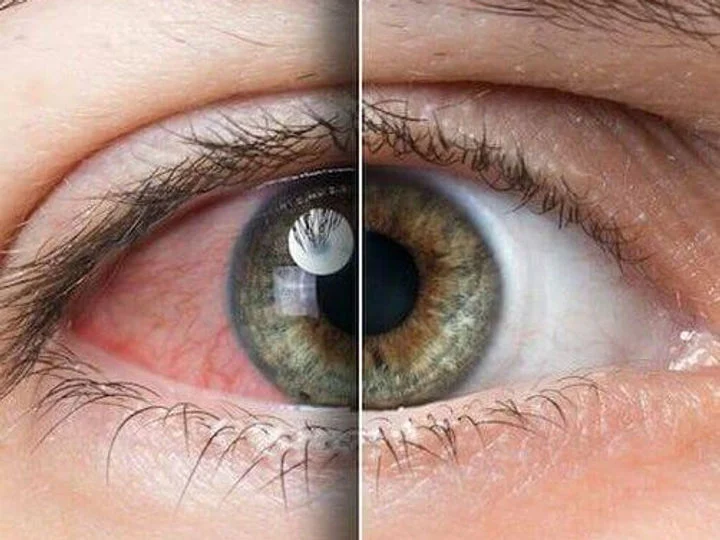
Yes. Dry eyes can cause blurry vision, and intermittent blurry vision is a common complaint in dry eye: things look hazy for a while, then clear. It can show up as trouble reading, glare or halos around lights at night, or vision that shifts during screen work. Lubricating eye drops, screen breaks and a less drying room can ease it, and a dry eye evaluation with our eye doctors in Los Angeles can find out why your tears aren't holding up. Sudden blurry vision that doesn't clear is a different problem and needs care right away.
Key takeaways
- Dry eye often causes blurry vision that comes and goes, along with trouble reading and glare or halos around lights at night.
- Artificial tears, regular screen breaks and less dry, moving air can ease the blur, and prescription and in-office treatments help when they are not enough.
- Severe dry eye that goes untreated can sometimes damage the cornea, so blur that keeps interrupting your day deserves an exam.
- Sudden blur that doesn't clear needs an emergency room, and sudden loss of vision or blur with stroke signs means calling 911.
01
Why do dry eyes make your vision blurry?
Because the tear film, the thin layer of tears over the front of your eye, stops working well. Your tears have three layers: oil, water and mucus, and dry eye happens when your eyes don't make enough tears to stay wet, or when your tears don't work correctly. Tears keep the surface of the eyes smooth and clear; when they evaporate too quickly or do not spread evenly over the cornea, the surface loses that smoothness.
Doctors call it dry eye disease, a disease of the eye's surface in which the tear film loses its balance, with tear film instability and hyperosmolarity, ocular surface inflammation and damage among its causes. Hyperosmolarity means the tears carry too much salt for their water, which can inflame the surface of the eye. An unstable tear film breaks up quickly after a blink, and eye doctors measure that with a tear breakup time test, which checks how long your tear film (layer of tears on your eyes) lasts after you blink.
Blur is one result. StatPearls, a medical reference from the National Library of Medicine's bookshelf, notes that blurry vision, particularly intermittent blurry vision, is a common complaint, and the American Optometric Association lists blurred vision among dry eye symptoms.
02
Does blurry vision from dry eyes come and go?
Often, yes. Dry eye symptoms include vision fluctuation and difficulties in reading, and the blur may also be described as glare or haloes around lights at night.
Screens are a common trigger: you may blink less when looking at computer or tablet screens, which can lead to dry eye. Wind, smoke and dry air can cause your tears to dry up faster.
Some medicines can bring it on as well: certain medicines, including antihistamines, decongestants, blood pressure medications, and antidepressants, can reduce tear production. Our page on medications that cause dry eye lists more.
Other dry eye symptoms often come with the blur, including a scratchy feeling, like there's something in your eye, stinging or burning, red eyes and sensitivity to light.
03
How do you fix blurry vision from dry eyes?
Treat the dry eye, and you treat the blur it causes. Start with the simple steps:
- Lubricating drops: the most common treatment for mild dry eye is a type of eye drops called artificial tears. If you use them often, preservative-free drops contain fewer additives, which can further irritate the eyes; our guide to preservative-free eye drops compares vials and bottles.
- Blinks and breaks: blinking awareness training or taking intermittent breaks may reduce the dry eye effects of staring at digital devices. The AOA's 20-20-20 rule is an easy version: take a 20-second break to view something 20 feet away every 20 minutes.
- The air around you: StatPearls lists eliminating direct high airflow or fans and using a humidifier among the first steps.
- Warm compresses: a warm, wet cloth held on closed eyes for a few minutes loosens crusts and can help keep your oil glands from clogging; see warm compresses done right for time and temperature.
- Contact lenses: StatPearls also suggests that in dry eye contact lens use can preferably be limited, so ask us about wearing time or a different lens.
When drops and habits aren't enough, treatment goes after the cause: prescription drops that can help your eyes make more tears, punctal plugs, or in-office care for clogged eyelid oil glands such as IPL with gland expression. Our dry eye home care page lists the everyday steps in one place.
04
Can dry eye damage your vision for good?
Severe dry eye can, which is one reason to treat it. If severe dry eye isn't treated, it can sometimes damage your cornea, the clear outer layer at the front of your eye, and the AOA notes that advanced dry eyes may damage the front surface of the eye and impair vision.
So don't wait out blur that keeps interrupting reading, driving or work. Tell your eye doctor if dry eye is getting in the way of everyday activities.
05
When is blurry vision not dry eye?
Blur has many causes, and dry eye is only one of them. If the blur doesn't ease with drops and blinking, stays in one eye, or keeps getting worse, have an exam. Our articles on blurry vision in one eye and sudden blurry vision go through other causes.
Blur at the computer can also come from glasses that don't suit the screen distance: uncorrected or under corrected vision problems can be major contributing factors to computer-related eyestrain. A comprehensive eye exam checks your prescription and your tears in the same visit.
06
When is blurry vision an emergency?
Call 911 for sudden loss of vision in one or both eyes, even if it comes back; sudden double vision; double vision or a droopy eyelid with a pupil that looks different, eye pain or a severe headache; or any change in vision with face drooping, arm weakness or trouble speaking. The American Stroke Association says to call 911 even if the symptoms go away.
Sudden blur that isn't a loss of sight is different: if it clears right away, come in for an exam; if it doesn't clear, go to an emergency room.
If you wear contact lenses and have eye pain, redness, blurred vision, light sensitivity or a white spot on the cornea, take the lens out and call us at 310-828-2010 right away for a same-day exam; when we're closed, go to an emergency room. Our urgent eye care page lists other symptoms that need care the same day.
07
How we check blurry vision from dry eye at Cohenmehr Optometry
Dr. Bijan Cohenmehr leads dry eye care in our office. An exam sorts out where the blur comes from: we check your vision and glasses prescription, look at your tear film and the surface of the eye, and image the meibomian glands, the oil glands along the edges of your eyelids.
If dry eye is the cause, treatment matches what we find, from prescription drops and dissolvable punctal plugs to IPL for clogged oil glands. Our dry eye treatment center page explains each step.
08
Questions patients ask
Can dry eyes cause double vision?
Double vision needs its own check, whatever else is going on with your eyes. Sudden double vision is an emergency: call 911, because the American Stroke Association lists blurred vision, double vision, or loss of sight in one or both eyes among stroke warning signs, even when they pass. Double vision that came on slowly needs an eye exam; our article on double vision explains the causes.
Can dry eyes cause floaters?
Not true floaters: floaters start inside the eye, and dry eye affects its surface. As you age, tiny strands of your vitreous (the gel-like fluid that fills your eye) stick together and cast shadows on the retina. Sudden new floaters, sometimes with flashes of light, need an exam right away: call us for a same-day visit during office hours, or go to an emergency room when we're closed.
Can dry eyes cause light sensitivity?
Yes. The National Eye Institute lists sensitivity to light among dry eye symptoms, along with stinging or burning and a scratchy feeling. Wraparound sunglasses outdoors reduce exposure to drying winds and the sun. Light sensitivity with pain, redness or blur in a contact lens wearer is urgent: take the lens out and get a same-day exam, or go to an emergency room when we're closed.
Can dry eyes cause eye strain?
They often show up together during screen work. The AOA lists eyestrain, headaches, blurred vision and dry eyes among the most common symptoms of digital eyestrain, and blinking less at a screen dries the eyes further. Regular breaks, blinking on purpose and glasses that suit your screen distance help with both; if they don't, an eye exam can sort out which problem is driving your symptoms.
09
Sources
- National Eye Institute: Dry eye
- National Eye Institute: Causes of dry eye
- National Eye Institute: Testing for dry eye
- National Eye Institute: Floaters
- National Eye Institute: Blepharitis
- StatPearls: Dry eye syndrome
- American Optometric Association: Dry eye
- American Optometric Association: Computer vision syndrome
- American Stroke Association: Stroke symptoms

Written by
Dr. Bijan Cohenmehr, OD
Founder of Cohenmehr Optometry, in practice for over 40 years. He leads the practice’s dry eye care and myopia management. A graduate of SUNY College of Optometry.
About Dr. Bijan →