
Medically reviewed by Dr. Bijan Cohenmehr, OD Last reviewed
Which Type of Dry Eye Do You Have?
Two diseases share the name. Only one of them is yours — usually with a side of the other.
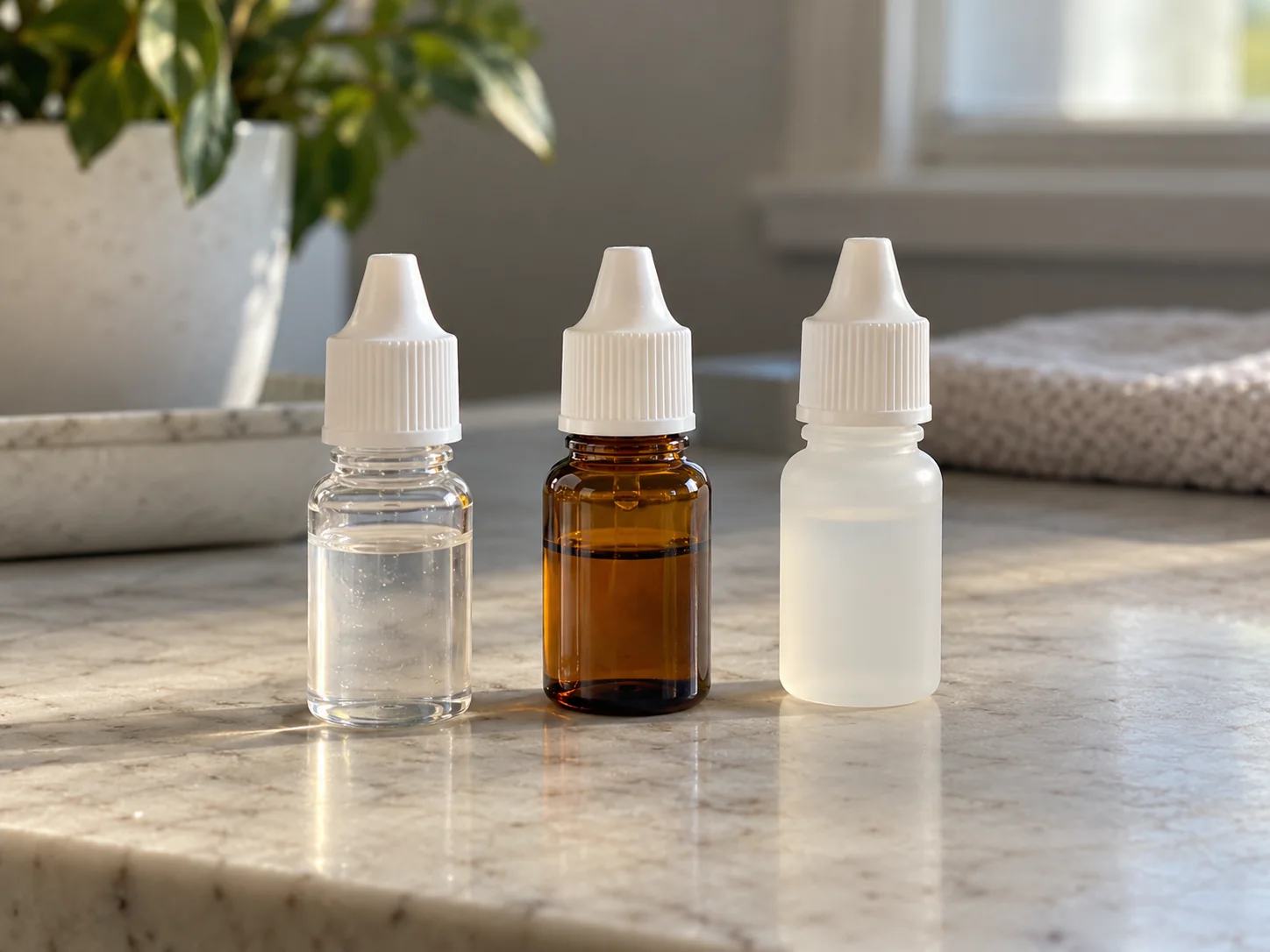
Dry eye splits into two mechanisms: eyes that don’t make enough watery tears, and eyes whose tears evaporate before they finish the job. Most people carry a blend, but one side dominates — and treatment aimed at the wrong side is why so many patients arrive here with a drawer full of drops that never worked.
- Type one
- Aqueous-deficient: too few tears
- Type two
- Evaporative: oil layer failing
- Most people
- A mix, with one side dominant
- The decider
- Testing, not guesswork
The two machines
Different failures, different fixes.
- Aqueous-deficient dry eye
The lacrimal glands under-produce the watery layer. Eyes feel gritty and tired; drops help but never last. The playbook holds tears on the eye longer and coaxes production: dissolvable punctal plugs, tear-stimulating therapy like Tyrvaya or Tryptyr, anti-inflammatory drops, serum tears in severe cases.
- Evaporative dry eye (MGD)
The meibomian oil glands clog or fade, so tears evaporate in seconds no matter how many you make. This is the most common pattern we see. The playbook treats the glands themselves: meibography first, then IPL, OptiLIFT, warm expression and lipid-supporting drops like Miebo.
- The mixed middle
Years of evaporation inflame the surface until production drops too. Mixed cases get sequenced care: usually calm the glands and inflammation first, then retain what the eye now makes.
Treating the wrong type is worse than useless: plugging drains on an inflamed evaporative eye traps hot tears; endless watery drops on gland disease just rinse away what little oil was left.
How we tell
The work-up that sorts you in one visit.
- 01
History and medication review
Autoimmune disease, antihistamines and screen-heavy work each tilt the odds a different way; the interview narrows it before any machine does.
- 02
Gland imaging
Meibography photographs the oil glands through the lids: dropout and blockage mean the evaporative side is in play.
- 03
Film behavior
How fast tears break up between blinks, how much volume sits in reserve, and where the surface stains: together they weight the diagnosis.
- 04
Name it, then treat it
You leave knowing your dominant type, your stage, and the playbook that matches them.
The pattern clues
Hints you can read at home (we’ll confirm).
- Worst in AC, wind or screen marathons → evaporative is likely
- Autoimmune disease or daily antihistamines → aqueous side rises
- Watery one hour, sandpaper the next → classic mixed picture
- Stage and type set the plan
Types of dry eye near you
12222 Wilshire Blvd, on the Santa Monica border.
Also consider
Next step
Done guessing which drop to buy?
One evaluation with our eye doctors in Los Angeles names your type, your stage and your playbook — the drawer of failed bottles can retire.