
Same-day urgent eye care
Mon 10–5 · Tue–Fri 8–5 310-828-2010 Book online Intake form
Cohenmehr Optometry — Vision · Dry Eye · Keratoconus Book appointment
Cohenmehr OptometryVision · Dry Eye · Keratoconus Center
Our Practice
Meet the Doctors TestimonialsShare FeedbackTraveling to See UsAreas We Serve Hours & Directions
Eye Care

Routine care

Comprehensive Eye CareContact Lens ExamsComputer Vision SyndromeGlasses and Contact LensesNeurolensAdvanced Diagnostics

Medical eye care

Glaucoma & Ocular DiseaseDiabetic Eye ExamsMacular Degeneration CareLow VisionStye & Chalazion TreatmentUrgent Care

Children’s vision

Pediatric Eye ExamsMyopia ManagementAtropineOrtho-KEssilor Stellest LensesVision Therapy

Surgery co-management

Surgical Co-ManagementLASIKPRKSMILEEVO ICLRefractive Lens ExchangeCataract SurgeryCorneal TransplantPterygium Surgery
Dry Eye
The Dry Eye CenterOptiLIFTIPL (Intense Pulsed Light)Punctal PlugsBlephExAmniotic MembranesPrescription DropsAutologous Serum DropsMeibomian Gland ProbingIPL for Rosacea

Understand

Types of Dry EyeThe Tear FilmDemodex BlepharitisDry Eye After LASIKMenopause & Dry EyeSjögren’s & Dry EyeContact Lens Discomfort

Cosmetics

Upneeq® · Buy OnlineUpneeq Intake Form
Myopia Control
The Myopia ProgramMyopia Estimator — free toolOrtho-K — $1,500 totalAtropineStellest LensesMultifocal ContactsMiSight 1 Day

For parents

Choosing a TreatmentWhy Myopia MattersOutdoor Time & ScreensFirst Ortho-K NightMeasuring Progression
Keratoconus
The Keratoconus CenterScleral Contact LensesSpecialty Contact LensesScleral Lens UsesEaglet Surface ProfilerScleral Lens Care

Go deeper

Eye Rubbing & KeratoconusKeratoconus in TeensCorneal HydropsTransplant Co-Management
Scleral Lenses

The lenses

Scleral Contact LensesEvery Use, at a GlanceEaglet Surface ProfilerScleral vs RGP vs HybridSpecialty Contact LensesSpecialty Soft & ProstheticLens Care & HandlingTraveling to See Us

Corneal conditions

KeratoconusPost-LASIK EctasiaPellucid Marginal DegenerationCorneal ScarringAfter Corneal TransplantAfter Radial Keratotomy (RK)Post-Surgical ComplicationsOcular Shingles Scarring

Surface disease & more

Severe Dry EyeSjögren’s SyndromeStevens-Johnson SyndromeGraft-vs-Host DiseaseBell’s Palsy & ExposureRare Tear DeficiencyPresbyopia & High RxSports & Active Wear
Library
Start With a SymptomEye Conditions A–ZArticlesFree ToolsFull Site Index

Patients

Patient Intake FormCommon QuestionsAccepted InsurancePaying for Care (FSA/HSA)
Call the office310-828-2010
Book appointment

Medically reviewed by Dr. Kevin Cohenmehr, OD Last reviewed

Ocular Shingles: Symptoms, Causes & Treatment

Shingles near the eye is an eye problem.

When the shingles virus reactivates along the nerve that serves the forehead and eye — herpes zoster ophthalmicus — the eye itself can become inflamed. In the acute phase that’s urgent; afterward, scarring can leave the cornea hazy and irregular for years. Both phases have real treatment.
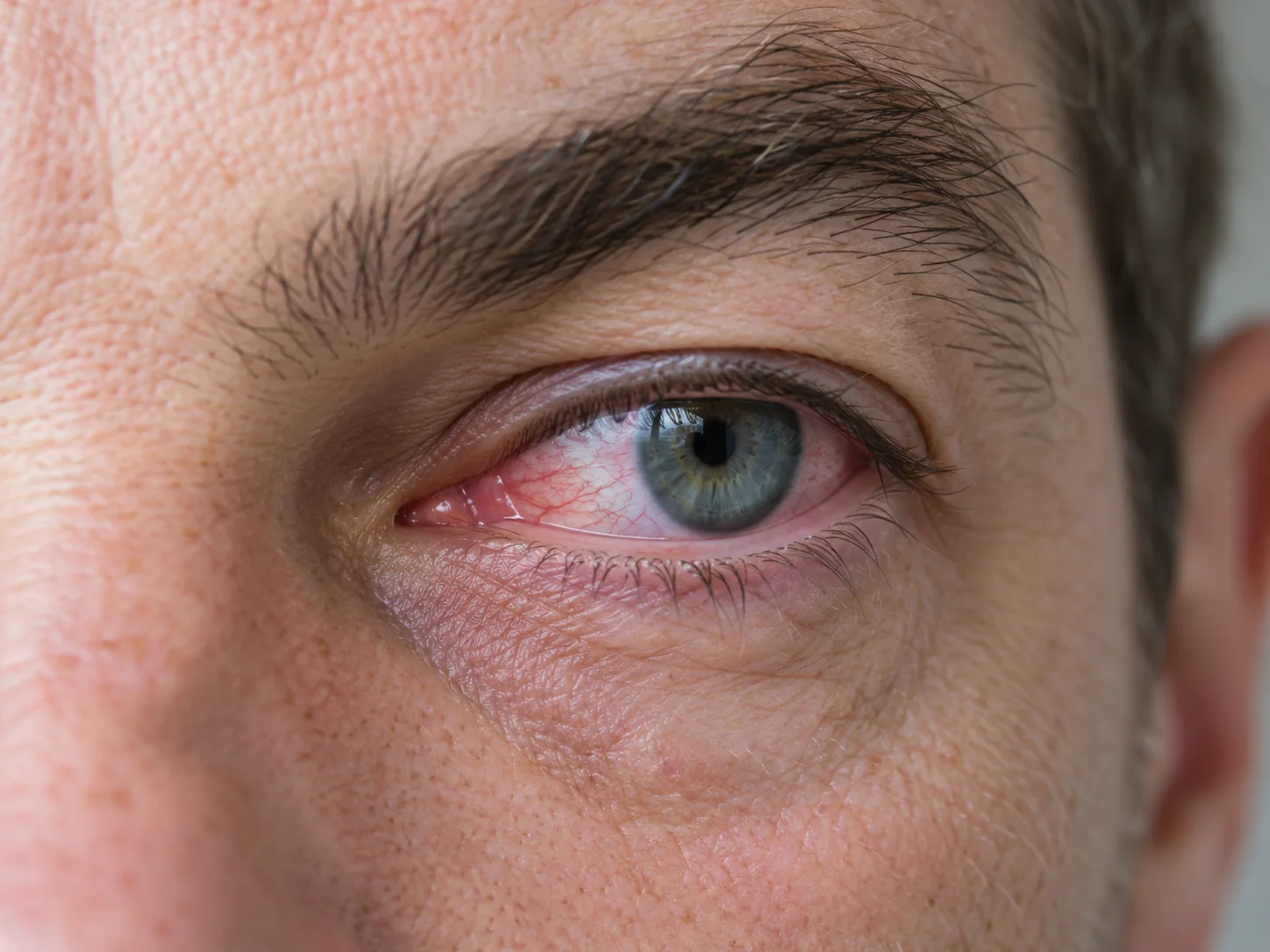
A rash near the brow with a watering eye
Acute phase
Urgent, alongside your physician
Red flag
Rash on the nose tip + eye symptoms
Late effects
Scarring, dryness, nerve loss
Vision rescue
Scleral lenses over scars

During an outbreak, call the same day if

  • A shingles rash involves the forehead, lids or tip of the nose
  • The eye turns red, painful or light-sensitive
  • Vision blurs during or after the rash
  • Pain persists around the eye after the skin heals

Afterward: vision can return

A corneal scar from ocular shingles can make the world look smeared or doubled — and scleral lenses can dramatically improve vision, sometimes close to 20/20, even when a person has been told the eye is legally blind from scarring.

The long tail

What shingles leaves behind, and what we do about it.

  • Corneal haze or scarring that scatters light: evaluated with topography and treated optically with scleral lenses
  • Reduced corneal sensation and stubborn dryness: surface protection and the dry eye program
  • Recurring inflammation: monitored, treated, and co-managed with your physician
  • A diagnostic scleral lens trial with our optometrists in Los Angeles shows in one visit how much vision the scarred cornea can still deliver

Acute = urgent

Shingles near the eye is a same-day call.

  • Eye involvement can threaten vision quickly in the acute phase
  • We evaluate the same day and coordinate antiviral care with your physician; when we’re closed, see your doctor or an urgent care clinic that day
Call 310-828-2010

Common questions

Ocular shingles, answered.

Anything else, call the office at 310-828-2010.

  • The same nerve serves both. Rash at the nose tip especially predicts eye involvement, so an exam is wise even before symptoms.

  • Often yes. If scarring made the cornea irregular, a scleral lens can create a smooth optical surface over it; the trial itself shows your potential.

  • Preventing zoster prevents its eye complications; ask your physician about vaccination.

  • With antiviral medicine, started as early as possible. Antivirals help shingles clear faster and protect the cornea from damage, and they work better the sooner they start, ideally within 3 days of the rash. We treat any inflammation in the eye as well, with frequent checks. A rash on the forehead, eyelid or tip of the nose is a same-day call (when we're closed, see your doctor or an urgent care clinic that day), because early treatment limits damage to the eye. Scarring that remains later can often be helped with a scleral lens.

  • You cannot catch shingles from someone else; it is the chickenpox virus reawakening in your own nerves. But fluid from the blisters can give chickenpox to someone who has never had chickenpox or the vaccine. Keep the rash covered and stay away from anyone who has never had chickenpox, especially pregnant women, until the blisters crust over; after that it cannot spread.

  • The skin rash usually scabs over in 7 to 10 days and clears up within 2 to 4 weeks. The eye needs watching for longer: shingles can inflame and scar the cornea and can cause vision loss, so follow-up visits continue after the rash is gone.

Articles

By Dr. Brandon Cohenmehr, OD

Also consider

Next step

Acute or aftermath, start here.

Same-day for outbreaks; a scleral lens evaluation for scars that stayed.

Call 310-828-2010 Or book online