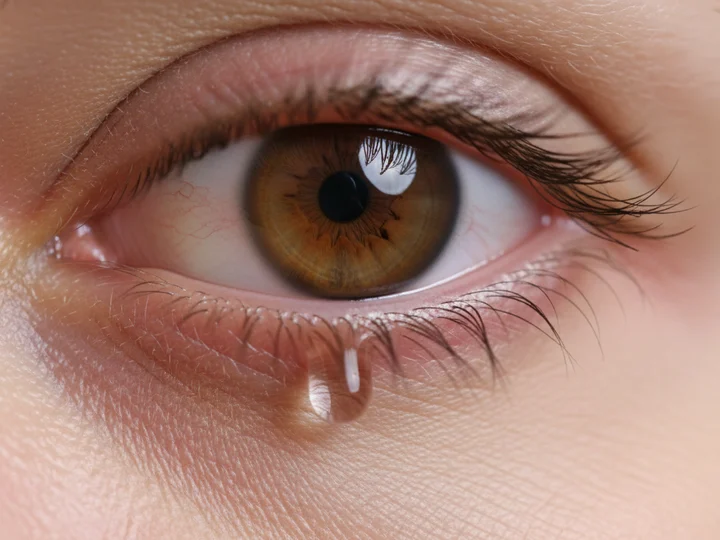
Pregnancy can dry out your eyes. The hormone changes of pregnancy can make it harder for your body to make tears, the National Eye Institute (NEI) says, and contact lenses may become harder to tolerate. Simple habits help, and artificial tears are the most common treatment for mild dry eye, but check with your obstetrician and eye doctor before starting any drop. Vision changes are a different matter. Sudden vision loss, even if it comes back, or sudden double vision is a 911 call. Blurry vision, flashes of light or spots, especially with a headache or swelling of your face or hands, are urgent warning signs in pregnancy, and the CDC says to seek medical care immediately: call your obstetrician or go to an emergency room.
Key takeaways
- Pregnancy hormones can make it harder for your body to produce tears, so eyes may feel dry or scratchy and contact lenses may become harder to tolerate.
- Habits like a humidifier, screen breaks and wraparound sunglasses can help, and artificial tears are the most common treatment for mild dry eye.
- Ask your obstetrician and eye doctor before starting any drop, and don't stop or change a prescription drop you already use on your own.
- Sudden vision loss, even if it returns, or sudden double vision means calling 911, and blurry vision, flashes or spots need your obstetrician or an emergency room immediately.
01
Can pregnancy cause dry eyes?
Yes. NEI lists the hormone changes that happen during pregnancy and menopause among the things that can make it harder for your body to make tears. The American Optometric Association (AOA) says women are more likely to develop dry eyes because of hormonal changes caused by pregnancy, the use of oral contraceptives and menopause.
An AOA paper on contact lens wear during pregnancy says eye changes occur commonly during pregnancy, including decreased tolerance to contact lenses because of changes in the tear film.
- A scratchy feeling, like there's something in your eye
- Stinging or burning
- Red eyes
- Sensitivity to light
- Blurry vision
Blurry vision during pregnancy can have other causes too, some of them urgent (see the warning signs below).
02
Can pregnancy change your vision?
It can. The AOA paper lists fluctuations in refractive error, meaning changes in your glasses and contact lens prescription, among the eye changes that occur commonly during pregnancy, along with changes in the cornea's sensitivity and thickness.
Tell your eye doctor you're pregnant if your glasses or contact lenses stop feeling right. If your vision turns blurry, you can't focus or you see double, don't wait for an eye appointment: the CDC lists these among urgent maternal warning signs (see below).
The AOA paper also says pregnant women likely need some special consideration in contact lens design and material and in follow-up visits. If you wear scleral lenses, the large lenses that rest on the white of the eye, hormonal dryness can make them foggier or shorten your wearing time; lens refills, saline changes and surface care usually get the day back, as our guide to keratoconus and scleral lenses in pregnancy explains.
If you have diabetes
Diabetic retinopathy is an eye condition that can cause vision loss and blindness in people who have diabetes, and it affects blood vessels in the retina, the light-sensitive tissue at the back of the eye. NEI says women with diabetes who become pregnant, or who develop gestational diabetes, are at high risk for it, and that if you have diabetes and are pregnant you should have a comprehensive dilated eye exam as soon as possible.
For women with type 1 or type 2 diabetes, the AOA paper recommends a dilated exam ideally before pregnancy or in the first trimester, then monitoring every trimester and for one year after delivery, depending on the degree of retinopathy and your eye doctor's advice. Dr. Kevin Cohenmehr leads our diabetic eye exams.
03
What helps dry eyes during pregnancy?
Start with the everyday habits NEI recommends for dry eye:
- Try to avoid smoke, wind and air conditioning
- Use a humidifier to keep the air at home from getting too dry
- Limit screen time and take breaks from staring at screens
- Wear wraparound sunglasses outside
- Drink plenty of water, and get about 7 to 8 hours of sleep a night
AOA adds one more: remember to blink regularly when you read or look at a screen for long periods.
Artificial tears are the most common treatment for mild dry eye, and over-the-counter gels and ointments may also help. AOA recommends preservative-free tears because they contain fewer additives, which can further irritate the eyes.
Check with your obstetrician and eye doctor before you start any drop. Over-the-counter tears such as Refresh Tears are labeled for the temporary relief of burning, irritation and discomfort due to dryness of the eye, and the label says to stop use and ask a doctor if you have eye pain, changes in vision, or continued redness or irritation. Our dry eye home care guide also covers warm compresses and lid cleaning.
04
Are dry eye drops safe during pregnancy and breastfeeding?
Ask your obstetrician and eye doctor before using any prescription eye drop while you're pregnant or breastfeeding. For three prescription dry eye drops on our list of prescription treatments, here is what each FDA label says:
| Drop and what it treats | Pregnancy section of the label | Breastfeeding section of the label |
|---|---|---|
| Restasis (cyclosporine 0.05%): increases tear production when inflammation from dry eye has suppressed it | Not detected in the bloodstream after use in the eye, and use by the mother is not expected to expose the baby to the drug | Not studied in breast milk after use in the eye; the label advises caution and weighing the benefits of breastfeeding against your need for the drug |
| Xiidra (lifitegrast): signs and symptoms of dry eye disease | No data in pregnant women. In rabbits given the drug into a vein, a birth defect of the belly wall (omphalocele) was more common even at the lowest dose tested, 400 times the blood levels in people using the drop; little of the drug reaches the bloodstream from the eye, so how this applies to people is unclear | No data on breast milk; exposure from use in the eye is low; weigh the benefits of breastfeeding against your need for the drug |
| Miebo (perfluorohexyloctane): signs and symptoms of dry eye disease | No adequate and well-controlled studies in pregnant women. In pregnant rabbits given it by mouth, miscarriages and lower fetal weights occurred at every dose tested (the lowest was 41 times the human eye dose), along with toxicity in the mothers; rats showed no harmful effects at up to 162 times that dose | No data on breast milk; the label says the risk to a breastfed infant can't be clearly determined, so weigh the benefits of breastfeeding against your need for the drug |
None of the three labels says the drop is safe to use while pregnant or breastfeeding; they describe what is and isn't known, and the decision is one to make with your obstetrician and eye doctor.
If you were already using a prescription drop when you became pregnant, don't stop or change it on your own. Ask the doctor who prescribed it and your obstetrician.
05
When are vision changes in pregnancy an emergency?
Sudden loss of vision in one or both eyes, even if it comes back, and sudden double vision are 911 calls at any hour, and so is any change in vision that comes with face drooping, arm weakness or trouble speaking. The American Stroke Association lists double vision and loss of sight in one or both eyes among sudden warning signs and says to call 911 even if the symptoms go away.
Other vision changes during pregnancy and in the year after delivery are warning signs too. The CDC lists these among its urgent maternal warning signs:
- Flashes of light or bright spots
- Blind spots
- Not being able to see at all for a short time (a 911 call, as above)
- Blurry vision, trouble focusing, or seeing double (sudden double vision is a 911 call)
- A headache that won't go away or gets worse over time, including one that comes with blurred vision or dizziness
- Extreme swelling of your hands or face, beyond the usual slight swelling of pregnancy
The CDC's advice is to seek medical care immediately and to tell the people treating you that you are pregnant or were pregnant within the last year. Call your obstetrician or go to an emergency room, or call 911 for the signs marked above. If you aren't sure whether a symptom is serious, the CDC says to talk to your health care provider.
These symptoms can point to preeclampsia, a sudden increase in blood pressure after the 20th week of pregnancy. MedlinePlus lists blurred vision or seeing spots, a headache that does not go away, and swelling in the face and hands among its symptoms.
06
How we help with dry eyes during pregnancy at Cohenmehr Optometry
Dr. Bijan Cohenmehr leads dry eye care at our eye clinic in Los Angeles, and an evaluation starts with finding the cause. As part of our dry eye treatment, we look at the tear film, the surface of the eye and the meibomian glands, the oil glands in the eyelids, which we image with meibography.
Tell us you're pregnant or breastfeeding when you book, and bring every drop and medication you use, plus the brand of contact lenses you wear. Menopause brings its own hormone-related dry eye; our page on menopause and dry eye explains it.
07
Questions patients ask
Is vitamin A good for your eyes during pregnancy?
Yes, in normal amounts, but more is not better in pregnancy. Vitamin A is important for normal vision, and deficiency is rare in the United States because most people get enough from food. Too much preformed vitamin A taken while pregnant can cause birth defects, and if you are or might be pregnant or breastfeeding, you should not take high-dose supplements of preformed vitamin A. NEI lists too little vitamin A among the things that make dry eye more likely. Ask your obstetrician before taking any eye vitamin.
Is dry eye a disease, or just part of pregnancy?
It's a real eye condition, even when pregnancy hormones set it off. Dry eye happens when your eyes don't make enough tears to stay wet, or when your tears don't work correctly, and the FDA label for Xiidra, a prescription drop, calls it dry eye disease. AOA describes it as a common and often chronic problem, particularly in older adults. If dryness keeps bothering you during pregnancy or after, a dry eye evaluation can find the cause.
Can you get LASIK while pregnant or breastfeeding?
Talk it through with your eye doctor first, because your prescription may not be stable. The FDA says people who are pregnant or breastfeeding are more likely to have refractive instability, a glasses or contact lens prescription that keeps changing, and should discuss the possible additional risks with their doctor; someone whose prescription changed in the past year is probably not a good candidate for refractive surgery. We co-manage LASIK, and the candidacy exam includes a stable-prescription check.
Why are my eyes sensitive to light during pregnancy?
Dry eye is one possible reason; NEI lists sensitivity to light among its symptoms. The AOA paper on pregnancy lists hemeralopia, trouble seeing as clearly in bright light as in dim light, among eye changes that occur commonly during pregnancy, and notes that blurriness and light sensitivity could be a warning of preeclampsia. If light sensitivity comes with a headache, swelling of your face or hands, or other vision changes, seek medical care immediately: call your obstetrician or go to an emergency room.
08
Sources
- National Eye Institute: Causes of dry eye
- National Eye Institute: Dry eye
- American Optometric Association: Dry eye
- American Optometric Association: Contact lenses and pregnancy
- National Eye Institute: Diabetic retinopathy
- DailyMed (FDA label): Refresh Tears
- DailyMed (FDA label): Restasis
- DailyMed (FDA label): Xiidra
- DailyMed (FDA label): Miebo
- CDC: Urgent maternal warning signs
- MedlinePlus: High blood pressure in pregnancy
- American Stroke Association: Stroke symptoms
- NIH Office of Dietary Supplements: Vitamin A
- FDA: When is LASIK not for me?

Written by
Dr. Bijan Cohenmehr, OD
Founder of Cohenmehr Optometry, in practice for over 40 years. He leads the practice’s dry eye care and myopia management. A graduate of SUNY College of Optometry.
About Dr. Bijan →