
Same-day urgent eye care
Mon 10–5 · Tue–Fri 8–5 310-828-2010 Book online Intake form
Cohenmehr Optometry — Vision · Dry Eye · Keratoconus Book appointment
Cohenmehr OptometryVision · Dry Eye · Keratoconus Center
Our Practice
Meet the Doctors TestimonialsShare FeedbackTraveling to See UsAreas We Serve Hours & Directions
Eye Care

Routine care

Comprehensive Eye CareContact Lens ExamsComputer Vision SyndromeGlasses and Contact LensesNeurolensAdvanced Diagnostics

Medical eye care

Glaucoma & Ocular DiseaseDiabetic Eye ExamsMacular Degeneration CareLow VisionStye & Chalazion TreatmentUrgent Care

Children’s vision

Pediatric Eye ExamsMyopia ManagementAtropineOrtho-KEssilor Stellest LensesVision Therapy

Surgery co-management

Surgical Co-ManagementLASIKPRKSMILEEVO ICLRefractive Lens ExchangeCataract SurgeryCorneal TransplantPterygium Surgery
Dry Eye
The Dry Eye CenterOptiLIFTIPL (Intense Pulsed Light)Punctal PlugsBlephExAmniotic MembranesPrescription DropsAutologous Serum DropsMeibomian Gland ProbingIPL for Rosacea

Understand

Types of Dry EyeThe Tear FilmDemodex BlepharitisDry Eye After LASIKMenopause & Dry EyeSjögren’s & Dry EyeContact Lens Discomfort

Cosmetics

Upneeq® · Buy OnlineUpneeq Intake Form
Myopia Control
The Myopia ProgramMyopia Estimator — free toolOrtho-K — $1,500 totalAtropineStellest LensesMultifocal ContactsMiSight 1 Day

For parents

Choosing a TreatmentWhy Myopia MattersOutdoor Time & ScreensFirst Ortho-K NightMeasuring Progression
Keratoconus
The Keratoconus CenterScleral Contact LensesSpecialty Contact LensesScleral Lens UsesEaglet Surface ProfilerScleral Lens Care

Go deeper

Eye Rubbing & KeratoconusKeratoconus in TeensCorneal HydropsTransplant Co-Management
Scleral Lenses

The lenses

Scleral Contact LensesEvery Use, at a GlanceEaglet Surface ProfilerScleral vs RGP vs HybridSpecialty Contact LensesSpecialty Soft & ProstheticLens Care & HandlingTraveling to See Us

Corneal conditions

KeratoconusPost-LASIK EctasiaPellucid Marginal DegenerationCorneal ScarringAfter Corneal TransplantAfter Radial Keratotomy (RK)Post-Surgical ComplicationsOcular Shingles Scarring

Surface disease & more

Severe Dry EyeSjögren’s SyndromeStevens-Johnson SyndromeGraft-vs-Host DiseaseBell’s Palsy & ExposureRare Tear DeficiencyPresbyopia & High RxSports & Active Wear
Library
Start With a SymptomEye Conditions A–ZArticlesFree ToolsFull Site Index

Patients

Patient Intake FormCommon QuestionsAccepted InsurancePaying for Care (FSA/HSA)
Call the office310-828-2010
Book appointment

Medically reviewed by Dr. Brandon Cohenmehr, OD Last reviewed

Corneal Ring Segments

Tiny arcs that reshape the cone from inside the cornea.

Ring segments — often known by the brand Intacs — are small, clear crescents a corneal surgeon implants within the cornea. They flatten and regularize the cone mechanically: no tissue removed, reversible in principle, and compatible with lenses afterward.
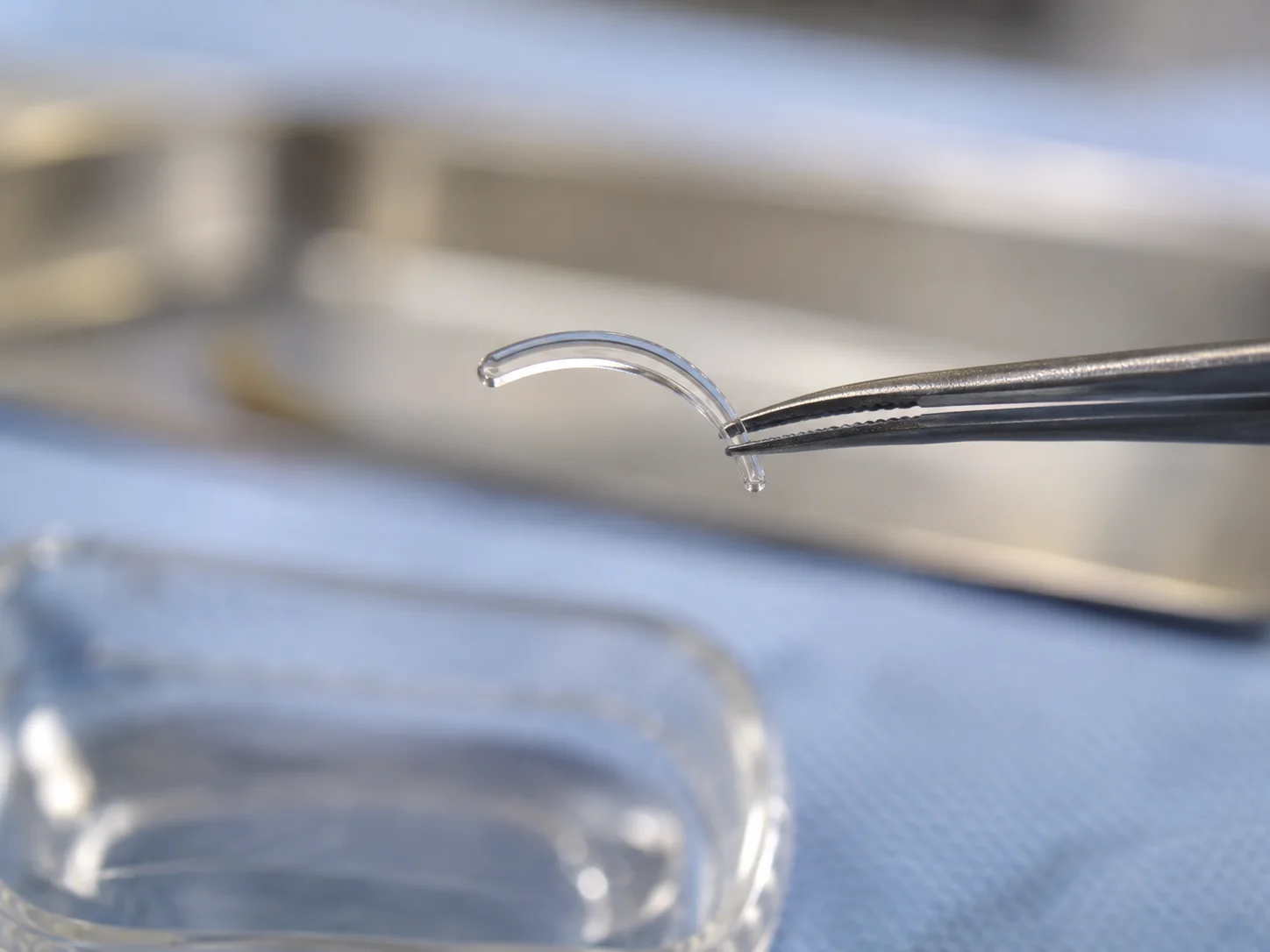
A clear ring segment held in forceps
What they are
Implanted clear crescents
Done by
A corneal surgeon — co-managed here
Goal
A flatter, more regular cornea
After
Lenses usually still sharpen vision

Their role

A reshaping tool — not a cure, not a lens.

Post-segment cornea at the slit lamp

Segments can reduce steepness and irregularity enough to improve uncorrected vision and make lenses easier to fit. They do not halt progression (that is cross-linking’s job), and most eyes still see their best through a specialty lens afterward.

Good candidates

Clear central corneas with adequate thickness, intolerant of lenses or seeking a more fittable shape.

Not for

Very thin or scarred corneas; active progression is addressed first.

Our role

Candidacy work-up and maps before; healing checks after; then a re-map on the Eaglet Eye Surface Profiler and a fresh free-form lens design.

Sequencing

Where segments fit in the plan.

  • Stabilize first — cross-linking if progressing
  • Reshape when the shape itself blocks a good fit
  • Refine with a free-form scleral lens designed after healing
Ask about candidacy

Common questions

Ring segments, answered.

Anything else, call the office at 310-828-2010.

  • Rarely. They improve the playing field; most keratoconus eyes still achieve their sharpest vision with a specialty lens fitted after healing.

  • They are designed to be removable or exchangeable by the surgeon, which is part of their appeal.

  • A corneal surgeon. We handle the work-up, the referral, the aftercare checks and the lens design, so both offices work from one plan.

  • Intacs is a brand of corneal ring segments: small, curved, removable inserts that a corneal surgeon places inside the cornea to reshape the cone and reduce its nearsightedness and astigmatism. The FDA approved them for people with keratoconus who can no longer see well enough with contacts or glasses, to restore functional vision and possibly delay a transplant. Halting progression is the job of cross-linking.

Ring segments near you

12222 Wilshire Blvd, on the Santa Monica border.

West Los AngelesBrentwoodSanta MonicaWestwoodBeverly HillsCulver CityPacific PalisadesWest HollywoodMarina del ReyNewport Beach

Also consider

Next step

Wondering if your cornea qualifies?

A mapping visit with an eye doctor in Los Angeles answers candidacy questions before anyone talks surgery.

Book a mapping visit Or call 310-828-2010