
Same-day urgent eye care
Mon 10–5 · Tue–Fri 8–5 310-828-2010 Book online Intake form
Cohenmehr Optometry — Vision · Dry Eye · Keratoconus Book appointment
Cohenmehr OptometryVision · Dry Eye · Keratoconus Center
Our Practice
Meet the Doctors TestimonialsShare FeedbackTraveling to See UsAreas We Serve Hours & Directions
Eye Care

Routine care

Comprehensive Eye CareContact Lens ExamsComputer Vision SyndromeGlasses and Contact LensesNeurolensAdvanced Diagnostics

Medical eye care

Glaucoma & Ocular DiseaseDiabetic Eye ExamsMacular Degeneration CareLow VisionStye & Chalazion TreatmentUrgent Care

Children’s vision

Pediatric Eye ExamsMyopia ManagementAtropineOrtho-KEssilor Stellest LensesVision Therapy

Surgery co-management

Surgical Co-ManagementLASIKPRKSMILEEVO ICLRefractive Lens ExchangeCataract SurgeryCorneal TransplantPterygium Surgery
Dry Eye
The Dry Eye CenterOptiLIFTIPL (Intense Pulsed Light)Punctal PlugsBlephExAmniotic MembranesPrescription DropsAutologous Serum DropsMeibomian Gland ProbingIPL for Rosacea

Understand

Types of Dry EyeThe Tear FilmDemodex BlepharitisDry Eye After LASIKMenopause & Dry EyeSjögren’s & Dry EyeContact Lens Discomfort

Cosmetics

Upneeq® · Buy OnlineUpneeq Intake Form
Myopia Control
The Myopia ProgramMyopia Estimator — free toolOrtho-K — $1,500 totalAtropineStellest LensesMultifocal ContactsMiSight 1 Day

For parents

Choosing a TreatmentWhy Myopia MattersOutdoor Time & ScreensFirst Ortho-K NightMeasuring Progression
Keratoconus
The Keratoconus CenterScleral Contact LensesSpecialty Contact LensesScleral Lens UsesEaglet Surface ProfilerScleral Lens Care

Go deeper

Eye Rubbing & KeratoconusKeratoconus in TeensCorneal HydropsTransplant Co-Management
Scleral Lenses

The lenses

Scleral Contact LensesEvery Use, at a GlanceEaglet Surface ProfilerScleral vs RGP vs HybridSpecialty Contact LensesSpecialty Soft & ProstheticLens Care & HandlingTraveling to See Us

Corneal conditions

KeratoconusPost-LASIK EctasiaPellucid Marginal DegenerationCorneal ScarringAfter Corneal TransplantAfter Radial Keratotomy (RK)Post-Surgical ComplicationsOcular Shingles Scarring

Surface disease & more

Severe Dry EyeSjögren’s SyndromeStevens-Johnson SyndromeGraft-vs-Host DiseaseBell’s Palsy & ExposureRare Tear DeficiencyPresbyopia & High RxSports & Active Wear
Library
Start With a SymptomEye Conditions A–ZArticlesFree ToolsFull Site Index

Patients

Patient Intake FormCommon QuestionsAccepted InsurancePaying for Care (FSA/HSA)
Call the office310-828-2010
Book appointment

Medically reviewed by Dr. Brandon Cohenmehr, OD Last reviewed

Corneal Transplant Co-Management

The surgeon replaces the tissue. We protect the result.

When keratoconus, scarring or hydrops outruns lenses and cross-linking, a corneal surgeon may replace part or all of the cornea. Our job is everything around that: the work-up before, the monitoring after, and the lens that finally makes the graft see.
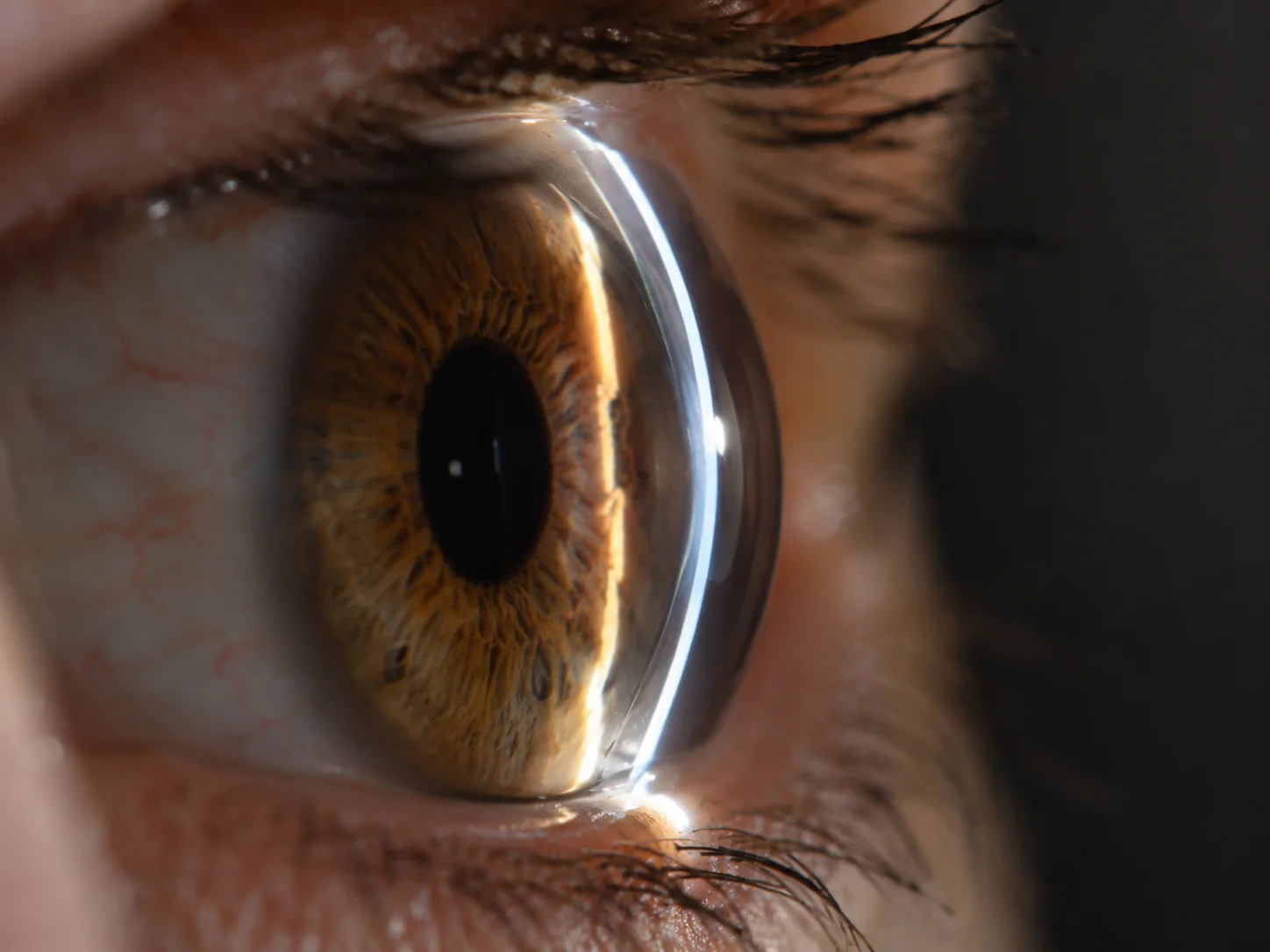
A clear graft at the slit lamp, sutures visible
Full thickness
Penetrating keratoplasty (PK)
Front layers only
DALK — inner layer kept
Our role
Work-up, aftercare, lenses
Scleral refit
Commonly 3–12 months, surgeon-cleared

After surgery

The graft year, shared between offices.

  1. 01

    Healing checks

    Pressure, sutures, surface health and rejection watch, split with your surgeon so visits stay close to home.

  2. 02

    Suture-stage vision

    Expect the prescription to wander while sutures come and go; glasses bridge the gap.

  3. 03

    Clearance for lenses

    When the surgeon confirms stability (commonly somewhere in the 3-to-12-month window), we re-map the eye.

  4. 04

    The graft-protecting fit

    A free-form scleral lens designed from an Eaglet Eye Surface Profiler map vaults the graft without touching it, clearing the junction and landing evenly beyond it.

Red, painful, light-sensitive or suddenly blurry after a transplant is never “wait and see” — call the same day.

Warning signs

RSVP — the graft rejection alphabet.

  • Redness
  • Sensitivity to light
  • Vision drop
  • Pain — any of these, call 310-828-2010 the same day
Call 310-828-2010

Common questions

Corneal transplant, answered.

Anything else, call the office at 310-828-2010.

  • When the graft is stable and your surgeon clears it — commonly within 3 to 12 months. We design the lens to vault the graft and its junction entirely.

  • Often, yes. Grafts restore clarity, not perfect shape; a specialty lens usually delivers the sharpest vision over one.

  • Yes — co-management is the arrangement: shared records, shared milestones, and aftercare visits here on Wilshire.

  • Many last for years. In an NEI-funded study of full-thickness transplants for disease of the cornea's inner cell layer, 75% of grafts from donors aged 34 to 71 were still successful 10 years later. A major risk is rejection, when the body treats the new cornea as foreign and tries to get rid of it. Medicine can help stop it, so eye pain, light sensitivity, redness or cloudy vision after a transplant is a same-day call.

  • It varies: your surgeon removes them at follow-up visits, on a schedule set for your graft. Vision keeps shifting while stitches come out, and depending on the type of transplant, full recovery can take up to a year, so glasses bridge the gap and the final scleral lens is designed once your surgeon confirms the graft is stable.

Corneal transplant near you

12222 Wilshire Blvd, on the Santa Monica border.

West Los AngelesBrentwoodSanta MonicaWestwoodBeverly HillsCulver CityPacific PalisadesWest HollywoodMarina del ReyNewport Beach

Also consider

Next step

Graft healed and hungry for sharp vision?

Bring your surgical records; our eye doctors in Los Angeles will map the eye and tell you honestly what a lens can add.

Book a post-graft evaluation Or call 310-828-2010