
Same-day urgent eye care
Mon 10–5 · Tue–Fri 8–5 310-828-2010 Book online Intake form
Cohenmehr Optometry — Vision · Dry Eye · Keratoconus Book appointment
Cohenmehr OptometryVision · Dry Eye · Keratoconus Center
Our Practice
Meet the Doctors TestimonialsShare FeedbackTraveling to See UsAreas We Serve Hours & Directions
Eye Care

Routine care

Comprehensive Eye CareContact Lens ExamsComputer Vision SyndromeGlasses and Contact LensesNeurolensAdvanced Diagnostics

Medical eye care

Glaucoma & Ocular DiseaseDiabetic Eye ExamsMacular Degeneration CareLow VisionStye & Chalazion TreatmentUrgent Care

Children’s vision

Pediatric Eye ExamsMyopia ManagementAtropineOrtho-KEssilor Stellest LensesVision Therapy

Surgery co-management

Surgical Co-ManagementLASIKPRKSMILEEVO ICLRefractive Lens ExchangeCataract SurgeryCorneal TransplantPterygium Surgery
Dry Eye
The Dry Eye CenterOptiLIFTIPL (Intense Pulsed Light)Punctal PlugsBlephExAmniotic MembranesPrescription DropsAutologous Serum DropsMeibomian Gland ProbingIPL for Rosacea

Understand

Types of Dry EyeThe Tear FilmDemodex BlepharitisDry Eye After LASIKMenopause & Dry EyeSjögren’s & Dry EyeContact Lens Discomfort

Cosmetics

Upneeq® · Buy OnlineUpneeq Intake Form
Myopia Control
The Myopia ProgramMyopia Estimator — free toolOrtho-K — $1,500 totalAtropineStellest LensesMultifocal ContactsMiSight 1 Day

For parents

Choosing a TreatmentWhy Myopia MattersOutdoor Time & ScreensFirst Ortho-K NightMeasuring Progression
Keratoconus
The Keratoconus CenterScleral Contact LensesSpecialty Contact LensesScleral Lens UsesEaglet Surface ProfilerScleral Lens Care

Go deeper

Eye Rubbing & KeratoconusKeratoconus in TeensCorneal HydropsTransplant Co-Management
Scleral Lenses

The lenses

Scleral Contact LensesEvery Use, at a GlanceEaglet Surface ProfilerScleral vs RGP vs HybridSpecialty Contact LensesSpecialty Soft & ProstheticLens Care & HandlingTraveling to See Us

Corneal conditions

KeratoconusPost-LASIK EctasiaPellucid Marginal DegenerationCorneal ScarringAfter Corneal TransplantAfter Radial Keratotomy (RK)Post-Surgical ComplicationsOcular Shingles Scarring

Surface disease & more

Severe Dry EyeSjögren’s SyndromeStevens-Johnson SyndromeGraft-vs-Host DiseaseBell’s Palsy & ExposureRare Tear DeficiencyPresbyopia & High RxSports & Active Wear
Library
Start With a SymptomEye Conditions A–ZArticlesFree ToolsFull Site Index

Patients

Patient Intake FormCommon QuestionsAccepted InsurancePaying for Care (FSA/HSA)
Call the office310-828-2010
Book appointment

Medically reviewed by Dr. Bijan Cohenmehr, OD Last reviewed

Meibomian Gland Dysfunction: Symptoms, Causes & Treatment

The oil-gland problem behind most dry eye.

The meibomian glands line your eyelids and release the oil layer that keeps tears from evaporating. When these glands become clogged, inflamed, or start to shut down — meibomian gland dysfunction, or MGD — tears evaporate too quickly. It is the #1 cause of evaporative dry eye.
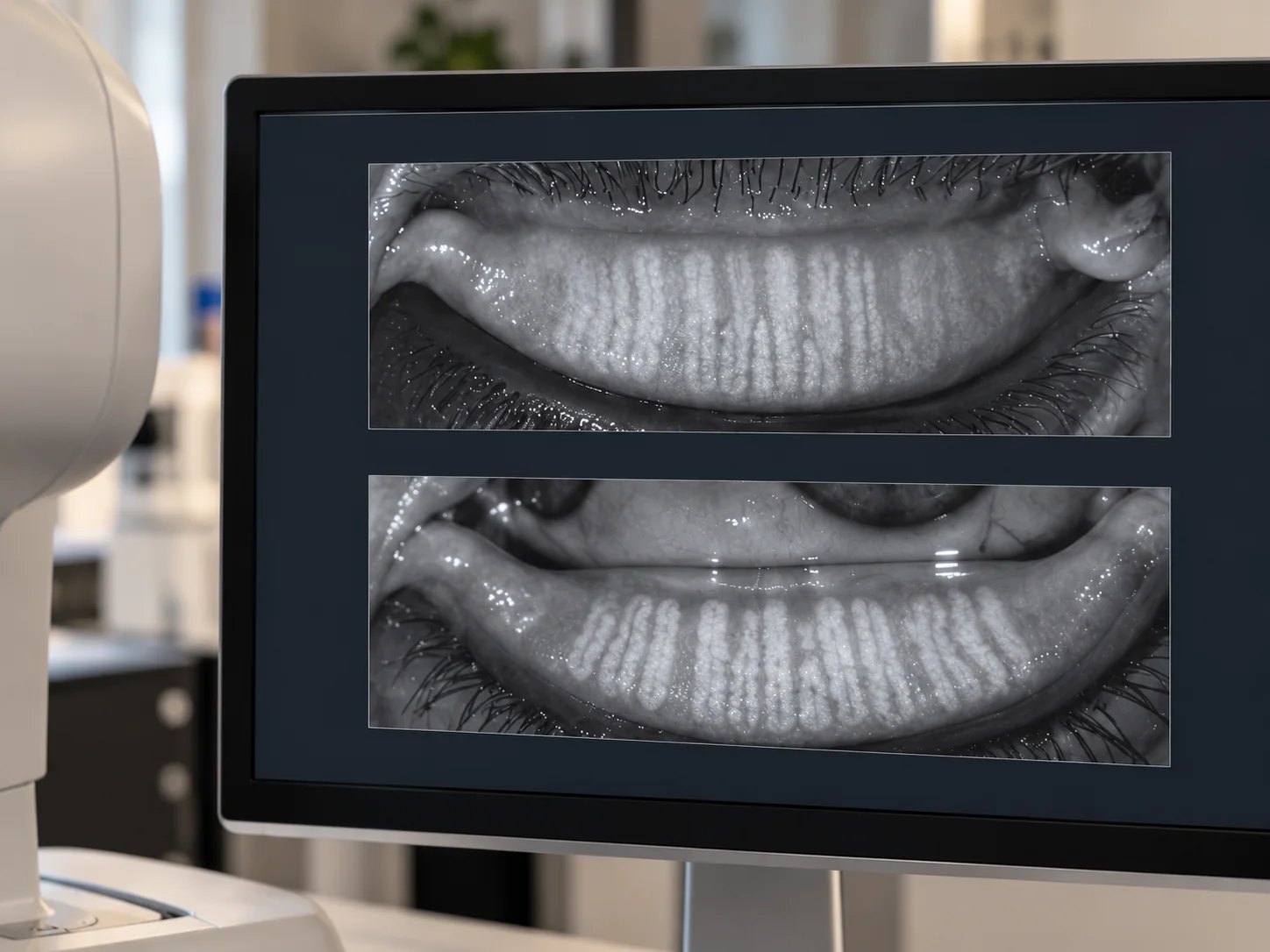
Meibography image of the eyelid glands
What fails
The tear film’s oil layer
Key test
Meibomian gland imaging
Main treatment
IPL + gland expression
Urgency
Gland loss can be permanent

MGD can explain

  • Burning and grittiness that drops only briefly relieve
  • Watery eyes that still feel dry
  • Blurry vision that clears when you blink
  • Red, irritated eyelid margins
  • Contact lens discomfort late in the day

Why imaging comes first

Treating dry eye without evaluating the meibomian glands is like treating dental pain without looking at the tooth. Meibography shows how many glands remain, and whether they are blocked, shortened, or dropping out.

Treatment

Protect the glands you still have.
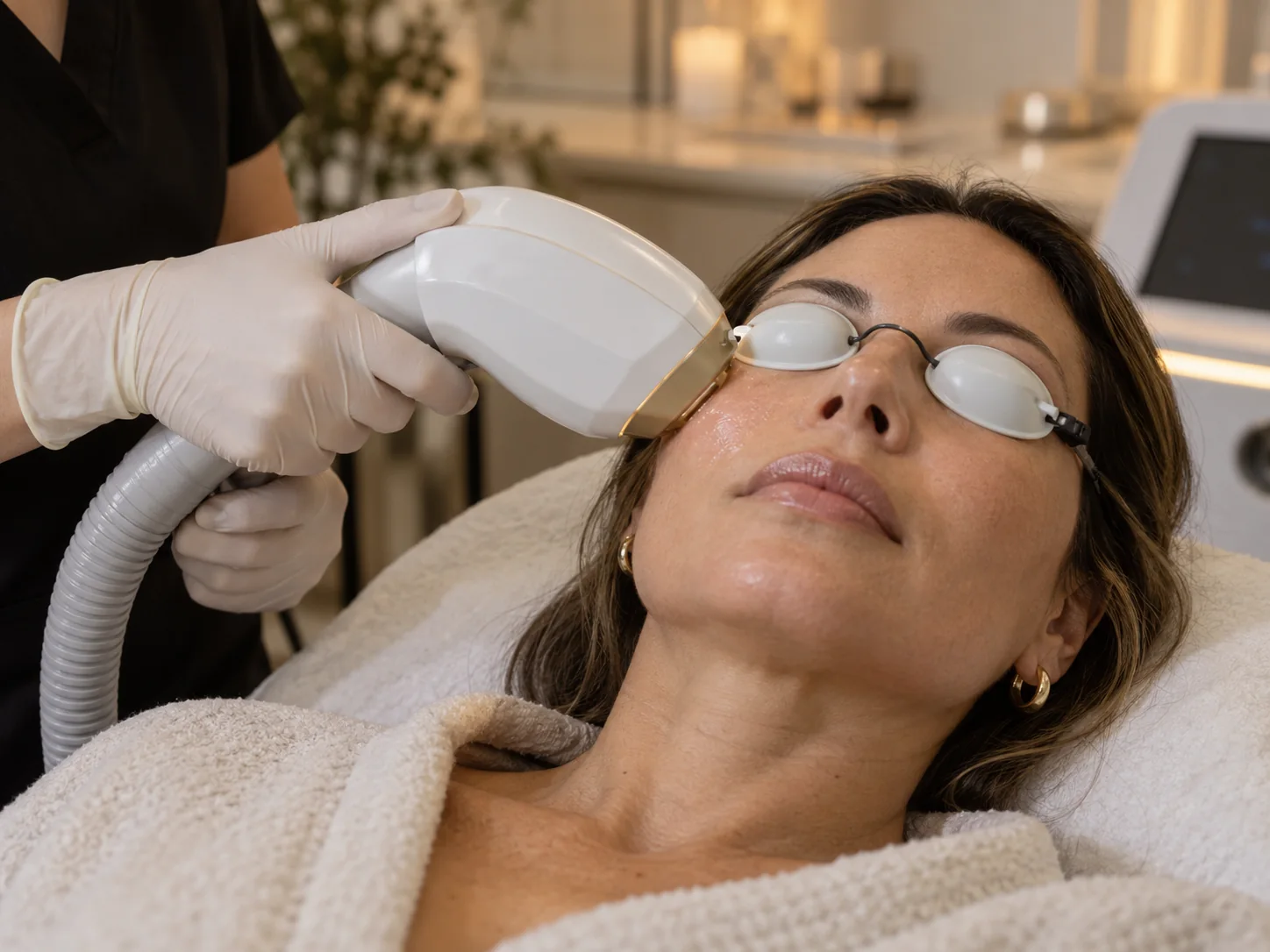
IPL treatment near the eyelids

Once a gland has fully dropped out, it may not grow back, so the goal is to find struggling glands early and restore their function.

  • High-resolution meibography to grade the glands and set a baseline
  • IPL to calm inflammation and liquefy stagnant oil
  • Manual gland expression while the oils are warm
  • Warm compresses and lid hygiene to hold the result between visits
  • Prescription drops when inflammation or low tear volume needs them

Cohenmehr Optometry has used this imaging-first, IPL-based approach for more than 8 years.

Risk factors

MGD risk goes up with:

  • Heavy screen time and incomplete blinking
  • Rosacea and inflammatory skin conditions
  • Contact lens wear
  • Isotretinoin (Accutane) use, past or present
  • Age and hormonal changes
Book a gland evaluation

Common questions

Meibomian gland dysfunction, answered.

Anything else, call the office at 310-828-2010.

  • MGD is the most common cause of dry eye. Dry eye is the symptom picture; MGD is the gland failure behind much of it.

  • The structure of the glands inside your eyelids — how many are present, whether they are full length, shortened, twisted, or missing.

  • It is managed. Treatment restores function to struggling glands and protects the rest; maintenance keeps them flowing.

  • The meibomian glands sit in the eyelids, open along the lid margins and release the oil layer of the tear film, which slows evaporation. In MGD the glands block, their oil thickens and some drop out, so too little oil reaches the tears and they evaporate too quickly. It is the most common cause of dry eye.

  • Several things contribute: aging, hormonal changes around menopause, skin conditions such as rosacea, long screen hours with fewer and weaker blinks, and some medications such as isotretinoin (Accutane). When blinking slows, the oil can stagnate in the glands and thicken, and glands shrink with age, which is why early treatment matters.

  • At home: warm compresses and lid hygiene. In the office: meibography to see which glands are intact, then intense pulsed light with gland expression to melt and clear the thickened oil, gland probing for ducts that heat cannot open, and prescription drops when inflammation needs them. The plan follows what your gland images show.

Articles

By Dr. Brandon Cohenmehr, OD

Also consider

Next step

Look at the glands, not past them.

A dry eye evaluation with meibography shows exactly where your glands stand.

Book a Dry Eye Evaluation Or call 310-828-2010