
Same-day urgent eye care
Mon 10–5 · Tue–Fri 8–5 310-828-2010 Book online Intake form
Cohenmehr Optometry — Vision · Dry Eye · Keratoconus Book appointment
Cohenmehr OptometryVision · Dry Eye · Keratoconus Center
Our Practice
Meet the Doctors TestimonialsShare FeedbackTraveling to See UsAreas We Serve Hours & Directions
Eye Care

Routine care

Comprehensive Eye CareContact Lens ExamsComputer Vision SyndromeGlasses and Contact LensesNeurolensAdvanced Diagnostics

Medical eye care

Glaucoma & Ocular DiseaseDiabetic Eye ExamsMacular Degeneration CareLow VisionStye & Chalazion TreatmentUrgent Care

Children’s vision

Pediatric Eye ExamsMyopia ManagementAtropineOrtho-KEssilor Stellest LensesVision Therapy

Surgery co-management

Surgical Co-ManagementLASIKPRKSMILEEVO ICLRefractive Lens ExchangeCataract SurgeryCorneal TransplantPterygium Surgery
Dry Eye
The Dry Eye CenterOptiLIFTIPL (Intense Pulsed Light)Punctal PlugsBlephExAmniotic MembranesPrescription DropsAutologous Serum DropsMeibomian Gland ProbingIPL for Rosacea

Understand

Types of Dry EyeThe Tear FilmDemodex BlepharitisDry Eye After LASIKMenopause & Dry EyeSjögren’s & Dry EyeContact Lens Discomfort

Cosmetics

Upneeq® · Buy OnlineUpneeq Intake Form
Myopia Control
The Myopia ProgramMyopia Estimator — free toolOrtho-K — $1,500 totalAtropineStellest LensesMultifocal ContactsMiSight 1 Day

For parents

Choosing a TreatmentWhy Myopia MattersOutdoor Time & ScreensFirst Ortho-K NightMeasuring Progression
Keratoconus
The Keratoconus CenterScleral Contact LensesSpecialty Contact LensesScleral Lens UsesEaglet Surface ProfilerScleral Lens Care

Go deeper

Eye Rubbing & KeratoconusKeratoconus in TeensCorneal HydropsTransplant Co-Management
Scleral Lenses

The lenses

Scleral Contact LensesEvery Use, at a GlanceEaglet Surface ProfilerScleral vs RGP vs HybridSpecialty Contact LensesSpecialty Soft & ProstheticLens Care & HandlingTraveling to See Us

Corneal conditions

KeratoconusPost-LASIK EctasiaPellucid Marginal DegenerationCorneal ScarringAfter Corneal TransplantAfter Radial Keratotomy (RK)Post-Surgical ComplicationsOcular Shingles Scarring

Surface disease & more

Severe Dry EyeSjögren’s SyndromeStevens-Johnson SyndromeGraft-vs-Host DiseaseBell’s Palsy & ExposureRare Tear DeficiencyPresbyopia & High RxSports & Active Wear
Library
Start With a SymptomEye Conditions A–ZArticlesFree ToolsFull Site Index

Patients

Patient Intake FormCommon QuestionsAccepted InsurancePaying for Care (FSA/HSA)
Call the office310-828-2010
Book appointment

Medically reviewed by Dr. Bijan Cohenmehr, OD Last reviewed

Lagophthalmos: Symptoms, Causes & Treatment

The lids that never quite seal.

Lagophthalmos means the eyelids don’t close completely — most often during sleep, when nobody notices. Even a sliver of exposed eye dries out over eight hours, which is why the signature symptom is mornings that start crusty, burning and blurred.
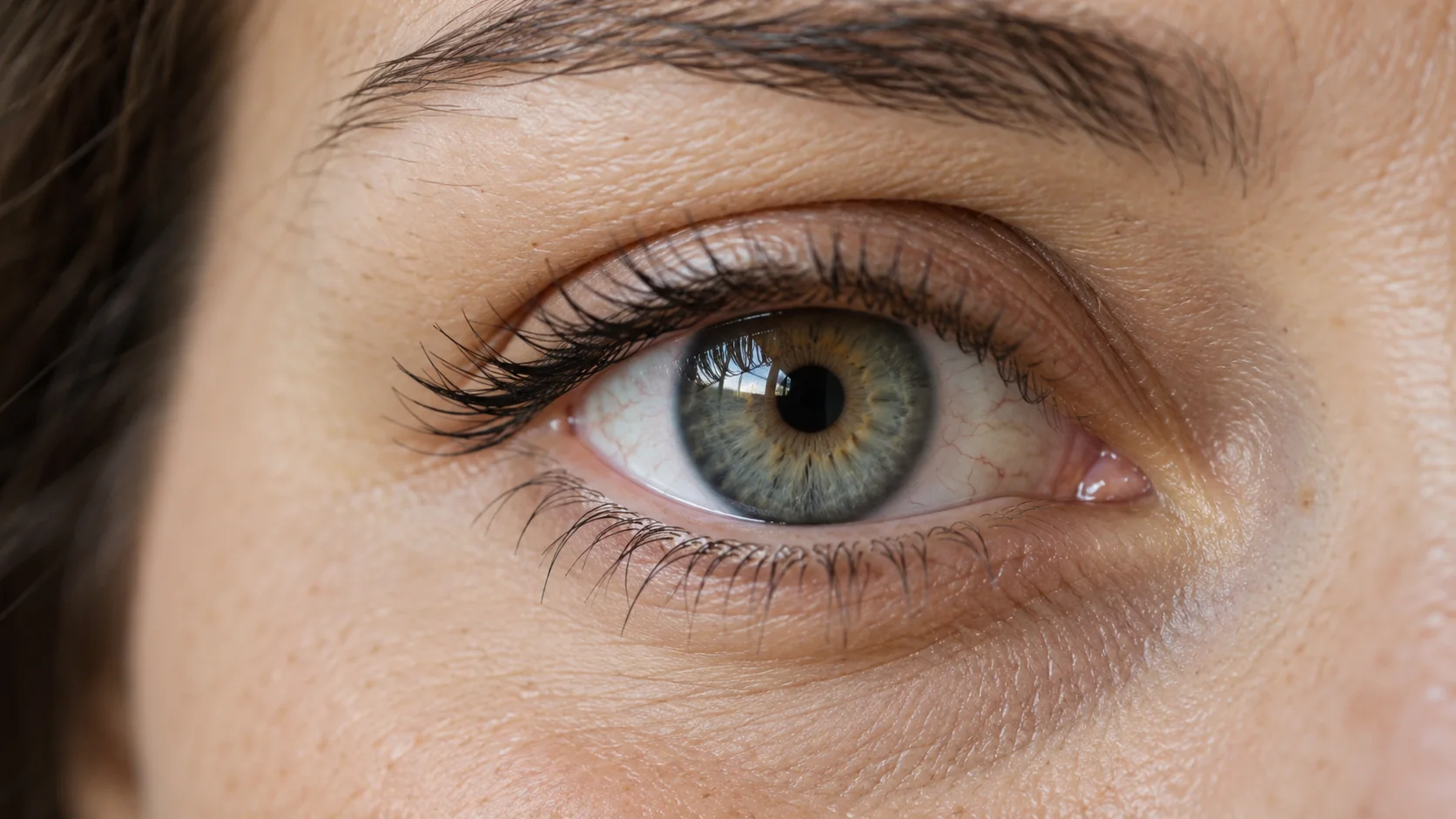
A barely visible gap between sleeping lids
Signature
Symptoms worst on waking
Causes
Lid laxity, nerve weakness, anatomy
Found by
Lid closure and blink exam
Treated with
Night protection + Optilift

The morning pattern

  • Crust along the lashes on waking
  • Burning, grittiness or pain first thing
  • Blur that takes minutes to clear
  • Redness concentrated in the lower eye
  • A partner who says you sleep with eyes slightly open

Why drops alone fail

Drops don’t tighten a loose lid or retrain a weak blink. If the seal is the problem, treatment has to address the mechanics of closure — not just add moisture.

Treatment

Protect at night, strengthen by day.

  • Nighttime gel, ointment, or moisture protection while you sleep
  • Evaluation of blink quality and lower lid laxity, since weak daytime blinks starve the oil glands too
  • Optilift: FDA-cleared DMST muscle stimulation plus radiofrequency, to support lid closure, blink strength and gland function
  • Treatment of the MGD that chronic exposure leaves behind

Connected conditions

Poor closure rarely travels alone.

Common questions

Lagophthalmos, answered.

Anything else, call the office at 310-828-2010.

  • Usually by the morning pattern — or an exam, where we check your relaxed closure directly.

  • Over time it can damage the corneal surface. It is very treatable once identified.

  • A non-surgical treatment combining muscle stimulation and radiofrequency to improve lid closure and gland function, about 7 minutes per eye.

  • Lagophthalmos is the inability to close the eyelids completely. When it happens only during sleep (nocturnal lagophthalmos), a strip of the eye stays exposed all night, so the cornea dries and mornings start gritty, burning and blurred. Lax lids and weakness of the facial nerve, as in Bell's palsy, are among the causes. Treatment protects the eye at night and improves closure, for example with OptiLIFT.

Articles

By Dr. Brandon Cohenmehr, OD

Also consider

Next step

Mornings are the clue. The exam is the proof.

Book an evaluation of your lid closure and blink with an eye doctor in Los Angeles.

Book Today Or call 310-828-2010