
Same-day urgent eye care
Mon 10–5 · Tue–Fri 8–5 310-828-2010 Book online Intake form
Cohenmehr Optometry — Vision · Dry Eye · Keratoconus Book appointment
Cohenmehr OptometryVision · Dry Eye · Keratoconus Center
Our Practice
Meet the Doctors TestimonialsShare FeedbackTraveling to See UsAreas We Serve Hours & Directions
Eye Care

Routine care

Comprehensive Eye CareContact Lens ExamsComputer Vision SyndromeGlasses and Contact LensesNeurolensAdvanced Diagnostics

Medical eye care

Glaucoma & Ocular DiseaseDiabetic Eye ExamsMacular Degeneration CareLow VisionStye & Chalazion TreatmentUrgent Care

Children’s vision

Pediatric Eye ExamsMyopia ManagementAtropineOrtho-KEssilor Stellest LensesVision Therapy

Surgery co-management

Surgical Co-ManagementLASIKPRKSMILEEVO ICLRefractive Lens ExchangeCataract SurgeryCorneal TransplantPterygium Surgery
Dry Eye
The Dry Eye CenterOptiLIFTIPL (Intense Pulsed Light)Punctal PlugsBlephExAmniotic MembranesPrescription DropsAutologous Serum DropsMeibomian Gland ProbingIPL for Rosacea

Understand

Types of Dry EyeThe Tear FilmDemodex BlepharitisDry Eye After LASIKMenopause & Dry EyeSjögren’s & Dry EyeContact Lens Discomfort

Cosmetics

Upneeq® · Buy OnlineUpneeq Intake Form
Myopia Control
The Myopia ProgramMyopia Estimator — free toolOrtho-K — $1,500 totalAtropineStellest LensesMultifocal ContactsMiSight 1 Day

For parents

Choosing a TreatmentWhy Myopia MattersOutdoor Time & ScreensFirst Ortho-K NightMeasuring Progression
Keratoconus
The Keratoconus CenterScleral Contact LensesSpecialty Contact LensesScleral Lens UsesEaglet Surface ProfilerScleral Lens Care

Go deeper

Eye Rubbing & KeratoconusKeratoconus in TeensCorneal HydropsTransplant Co-Management
Scleral Lenses

The lenses

Scleral Contact LensesEvery Use, at a GlanceEaglet Surface ProfilerScleral vs RGP vs HybridSpecialty Contact LensesSpecialty Soft & ProstheticLens Care & HandlingTraveling to See Us

Corneal conditions

KeratoconusPost-LASIK EctasiaPellucid Marginal DegenerationCorneal ScarringAfter Corneal TransplantAfter Radial Keratotomy (RK)Post-Surgical ComplicationsOcular Shingles Scarring

Surface disease & more

Severe Dry EyeSjögren’s SyndromeStevens-Johnson SyndromeGraft-vs-Host DiseaseBell’s Palsy & ExposureRare Tear DeficiencyPresbyopia & High RxSports & Active Wear
Library
Start With a SymptomEye Conditions A–ZArticlesFree ToolsFull Site Index

Patients

Patient Intake FormCommon QuestionsAccepted InsurancePaying for Care (FSA/HSA)
Call the office310-828-2010
Book appointment

Medically reviewed by Dr. Bijan Cohenmehr, OD Last reviewed

The Tear Film, Explained

Three layers thinner than plastic wrap decide how your whole day feels.

Every blink repaints the eye with a three-layer film: mucin to make the surface wettable, water to nourish and rinse, oil to seal it against evaporation. Dry eye is rarely “no tears” — it is one of these layers failing at its job.
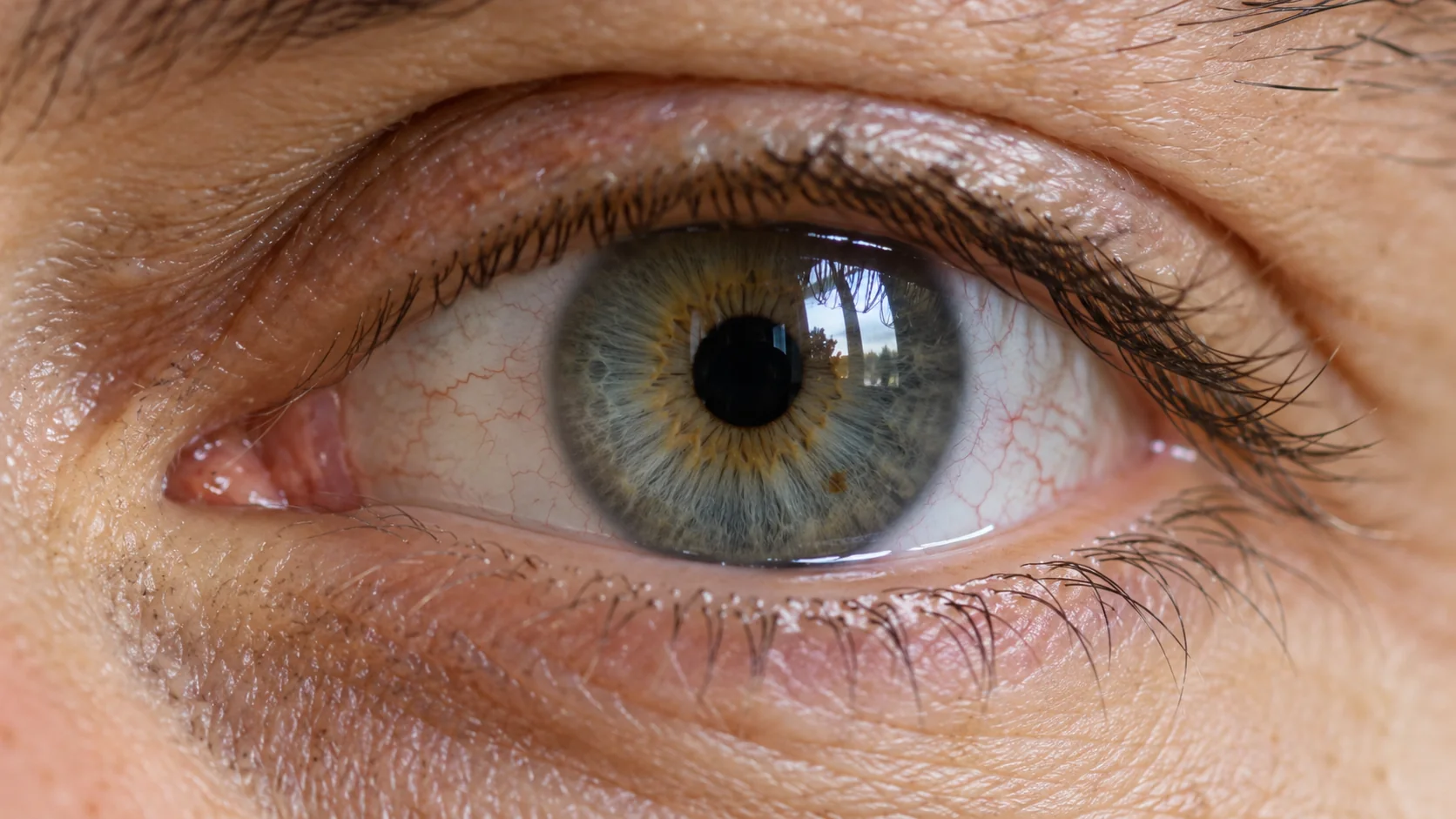
Extreme close-up of a clear, wet eye
Oil layer
Seals against evaporation
Water layer
Feeds and rinses the surface
Mucin layer
Makes tears spread, not bead
Rebuilt
Every single blink

Which layer failed?

Match the layer to the misery.

The three layers, illustrated
Oil fails → evaporative dry eye

Meibomian glands clog or fade; tears evaporate fast. Burning, evening blur, watery wind-tears. This is the most common pattern and the target of IPL, OptiLIFT and gland expression.

Water fails → aqueous deficiency

The lacrimal glands under-produce. Gritty, tired eyes that drops only briefly help; punctal plugs and tear-stimulating therapy earn their keep here.

Mucin fails → poor spreading

Tears bead and break instead of coating; vision fluctuates blink to blink. Surface inflammation is usually upstream, so anti-inflammatory therapy leads.

Watery eyes can still be dry eyes: a failing film triggers emergency watery tears that flood and spill — without the oil to make them stay.

How we tell

Testing reads the film layer by layer.

  • Tear breakup time: how long the film holds between blinks
  • Meibography: gland structure imaged through the lids
  • Tear volume measures for the water layer
  • Staining that maps where the surface is unprotected
  • Blink and lid-closure checks, because mechanics spread the film

The pattern across these tests is the diagnosis, which is why two people with “dry eye” can leave with entirely different plans.

From reading to fixing

Every layer has a treatment aimed at it.

Common questions

The tear film, answered.

Anything else, call the office at 310-828-2010.

  • An unstable film irritates the surface, which triggers reflex watery tears — volume without the oil and mucin that make tears useful, so they spill and the dryness remains.

  • No single one. Breakup time, gland imaging, volume and staining are read together; the pattern names the failing layer.

  • Frequently — which is why effective plans often combine a gland treatment with drops or plugs rather than betting on one fix.

  • Oil, water and mucus, from the outside in. The outer oil layer comes mostly from the meibomian glands in the eyelids; it smooths the eye's surface and keeps tears from drying up too quickly. The middle watery layer, mainly from the lacrimal glands, makes up about 90% of the film, keeps the eye wet and nourishes it. The inner mucus layer, made mostly by goblet cells in the conjunctiva (the clear tissue over the white of the eye and inside the lids), helps the film stick to the eye. Every blink renews the film.

  • Tear break-up time (TBUT) is how long your tear film stays intact after a blink, measured in seconds. In the classic version, a drop of fluorescein dye goes in and the doctor times how long after a blink the dyed film starts to break up; newer methods measure it without dye. A longer time means a more stable film: 15 to 20 seconds is typical of a healthy eye, and under 10 seconds can point to an abnormal tear film.

The tear film near you

12222 Wilshire Blvd, on the Santa Monica border.

West Los AngelesBrentwoodSanta MonicaWestwoodBeverly HillsCulver CityPacific PalisadesWest HollywoodMarina del ReyNewport Beach

Also consider

Next step

Ready to find your failing layer?

A dry eye evaluation with an eye doctor in Los Angeles reads the film layer by layer and matches treatment to the real cause.

Book a dry eye evaluation Or call 310-828-2010