
Same-day urgent eye care
Mon 10–5 · Tue–Fri 8–5 310-828-2010 Book online Intake form
Cohenmehr Optometry — Vision · Dry Eye · Keratoconus Book appointment
Cohenmehr OptometryVision · Dry Eye · Keratoconus Center
Our Practice
Meet the Doctors TestimonialsShare FeedbackTraveling to See UsAreas We Serve Hours & Directions
Eye Care

Routine care

Comprehensive Eye CareContact Lens ExamsComputer Vision SyndromeGlasses and Contact LensesNeurolensAdvanced Diagnostics

Medical eye care

Glaucoma & Ocular DiseaseDiabetic Eye ExamsMacular Degeneration CareLow VisionStye & Chalazion TreatmentUrgent Care

Children’s vision

Pediatric Eye ExamsMyopia ManagementAtropineOrtho-KEssilor Stellest LensesVision Therapy

Surgery co-management

Surgical Co-ManagementLASIKPRKSMILEEVO ICLRefractive Lens ExchangeCataract SurgeryCorneal TransplantPterygium Surgery
Dry Eye
The Dry Eye CenterOptiLIFTIPL (Intense Pulsed Light)Punctal PlugsBlephExAmniotic MembranesPrescription DropsAutologous Serum DropsMeibomian Gland ProbingIPL for Rosacea

Understand

Types of Dry EyeThe Tear FilmDemodex BlepharitisDry Eye After LASIKMenopause & Dry EyeSjögren’s & Dry EyeContact Lens Discomfort

Cosmetics

Upneeq® · Buy OnlineUpneeq Intake Form
Myopia Control
The Myopia ProgramMyopia Estimator — free toolOrtho-K — $1,500 totalAtropineStellest LensesMultifocal ContactsMiSight 1 Day

For parents

Choosing a TreatmentWhy Myopia MattersOutdoor Time & ScreensFirst Ortho-K NightMeasuring Progression
Keratoconus
The Keratoconus CenterScleral Contact LensesSpecialty Contact LensesScleral Lens UsesEaglet Surface ProfilerScleral Lens Care

Go deeper

Eye Rubbing & KeratoconusKeratoconus in TeensCorneal HydropsTransplant Co-Management
Scleral Lenses

The lenses

Scleral Contact LensesEvery Use, at a GlanceEaglet Surface ProfilerScleral vs RGP vs HybridSpecialty Contact LensesSpecialty Soft & ProstheticLens Care & HandlingTraveling to See Us

Corneal conditions

KeratoconusPost-LASIK EctasiaPellucid Marginal DegenerationCorneal ScarringAfter Corneal TransplantAfter Radial Keratotomy (RK)Post-Surgical ComplicationsOcular Shingles Scarring

Surface disease & more

Severe Dry EyeSjögren’s SyndromeStevens-Johnson SyndromeGraft-vs-Host DiseaseBell’s Palsy & ExposureRare Tear DeficiencyPresbyopia & High RxSports & Active Wear
Library
Start With a SymptomEye Conditions A–ZArticlesFree ToolsFull Site Index

Patients

Patient Intake FormCommon QuestionsAccepted InsurancePaying for Care (FSA/HSA)
Call the office310-828-2010
Book appointment

Medically reviewed by Dr. Bijan Cohenmehr, OD Last reviewed

Meibomian Gland Probing in Los Angeles

For the glands that heat can’t melt open.

Most blocked meibomian glands respond to warmth, expression, IPL and OptiLIFT. A stubborn few are sealed harder than that — fixed, scar-like obstruction at the duct itself. Probing addresses exactly those: a fine, sterile probe gently reopens each sealed duct under numbing gel, so the gland behind it can flow again.
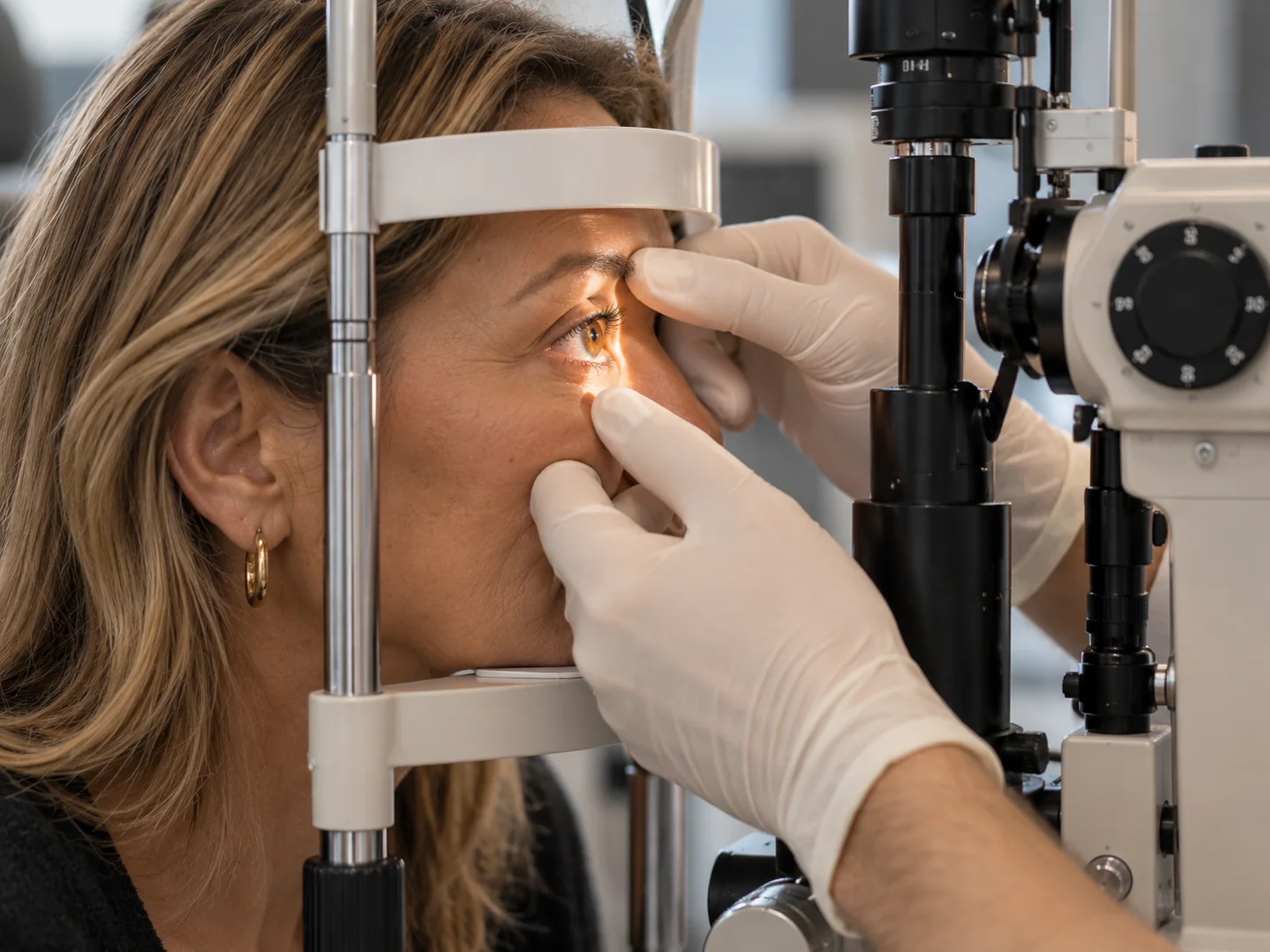
Slit-lamp close work, steady hands
For
Fixed obstruction that resists therapy
How
A fine probe reopens the duct
Comfort
Topical numbing; brief pressure
Pairs with
Expression, IPL, OptiLIFT after

The procedure

Minutes per lid, under numbing.

  1. 01

    Confirm the target

    Meibography and expression testing identify the true probing candidates: glands that stay sealed despite heat and treatment.

  2. 02

    Numb the margin

    Anesthetic gel quiets the lid edge; most patients feel pressure and tiny releases rather than pain.

  3. 03

    Reopen each duct

    A fine sterile probe passes a few millimeters into each blocked opening, releasing the fibrotic band sealing it.

  4. 04

    Put the glands to work

    Expression (and often IPL or OptiLIFT in the same plan) moves oil through the newly opened ducts so they stay open.

Probing reopens ducts; it doesn’t regrow glands. That is why we choose candidates from imaging: glands with life behind the blockage.

Who it helps

The signs you’ve outgrown heat alone.

  • Lid margins stay tender and inflamed despite faithful compresses
  • Expression yields little or nothing from certain glands
  • Recurrent styes and chalazia keep forming at the same spots
  • Imaging shows intact glands trapped behind sealed openings

For those patients, probing is often the turn in the road: obstruction relieved at the source, then the rest of the dry eye program finally gets traction.

In the program

One tool in a sequenced plan.

Common questions

Gland probing, answered.

Anything else, call the office at 310-828-2010.

  • With numbing gel, most patients describe pressure and small pop-like releases rather than pain; lids can feel tender for a day.

  • Imaging plus expression testing: glands that remain sealed and unproductive despite therapy — yet look intact on meibography — are the probing candidates.

  • Often one thorough session reopens the sealed ducts; some patients benefit from a repeat if obstruction reforms. Maintenance therapy protects the result.

  • No — it reopens blocked doors, it doesn’t rebuild rooms. That’s exactly why candidacy is image-guided.

Gland probing near you

12222 Wilshire Blvd, on the Santa Monica border.

West Los AngelesBrentwoodSanta MonicaWestwoodBeverly HillsCulver CityPacific PalisadesWest HollywoodMarina del ReyNewport Beach

Also consider

Next step

Glands that won’t budge for heat?

Bring your history to our optometrists in Los Angeles — imaging tells us in one visit whether probing is your missing step.

Book an evaluation Or call 310-828-2010