
Same-day urgent eye care
Mon 10–5 · Tue–Fri 8–5 310-828-2010 Book online Intake form
Cohenmehr Optometry — Vision · Dry Eye · Keratoconus Book appointment
Cohenmehr OptometryVision · Dry Eye · Keratoconus Center
Our Practice
Meet the Doctors TestimonialsShare FeedbackTraveling to See UsAreas We Serve Hours & Directions
Eye Care

Routine care

Comprehensive Eye CareContact Lens ExamsComputer Vision SyndromeGlasses and Contact LensesNeurolensAdvanced Diagnostics

Medical eye care

Glaucoma & Ocular DiseaseDiabetic Eye ExamsMacular Degeneration CareLow VisionStye & Chalazion TreatmentUrgent Care

Children’s vision

Pediatric Eye ExamsMyopia ManagementAtropineOrtho-KEssilor Stellest LensesVision Therapy

Surgery co-management

Surgical Co-ManagementLASIKPRKSMILEEVO ICLRefractive Lens ExchangeCataract SurgeryCorneal TransplantPterygium Surgery
Dry Eye
The Dry Eye CenterOptiLIFTIPL (Intense Pulsed Light)Punctal PlugsBlephExAmniotic MembranesPrescription DropsAutologous Serum DropsMeibomian Gland ProbingIPL for Rosacea

Understand

Types of Dry EyeThe Tear FilmDemodex BlepharitisDry Eye After LASIKMenopause & Dry EyeSjögren’s & Dry EyeContact Lens Discomfort

Cosmetics

Upneeq® · Buy OnlineUpneeq Intake Form
Myopia Control
The Myopia ProgramMyopia Estimator — free toolOrtho-K — $1,500 totalAtropineStellest LensesMultifocal ContactsMiSight 1 Day

For parents

Choosing a TreatmentWhy Myopia MattersOutdoor Time & ScreensFirst Ortho-K NightMeasuring Progression
Keratoconus
The Keratoconus CenterScleral Contact LensesSpecialty Contact LensesScleral Lens UsesEaglet Surface ProfilerScleral Lens Care

Go deeper

Eye Rubbing & KeratoconusKeratoconus in TeensCorneal HydropsTransplant Co-Management
Scleral Lenses

The lenses

Scleral Contact LensesEvery Use, at a GlanceEaglet Surface ProfilerScleral vs RGP vs HybridSpecialty Contact LensesSpecialty Soft & ProstheticLens Care & HandlingTraveling to See Us

Corneal conditions

KeratoconusPost-LASIK EctasiaPellucid Marginal DegenerationCorneal ScarringAfter Corneal TransplantAfter Radial Keratotomy (RK)Post-Surgical ComplicationsOcular Shingles Scarring

Surface disease & more

Severe Dry EyeSjögren’s SyndromeStevens-Johnson SyndromeGraft-vs-Host DiseaseBell’s Palsy & ExposureRare Tear DeficiencyPresbyopia & High RxSports & Active Wear
Library
Start With a SymptomEye Conditions A–ZArticlesFree ToolsFull Site Index

Patients

Patient Intake FormCommon QuestionsAccepted InsurancePaying for Care (FSA/HSA)
Call the office310-828-2010
Book appointment

Medically reviewed by Dr. Bijan Cohenmehr, OD Last reviewed

BlephEx Lid Exfoliation in Los Angeles

A deep clean for the lash line.

BlephEx is a painless, in-office treatment for blepharitis — the bacterial biofilm, crust and debris that build up along the eyelid margins, inflaming the lids and starving the tear film. A soft, medical-grade micro-sponge spins gently along the lash line and exfoliates the lid margin, deep-cleaning the base of the lashes.
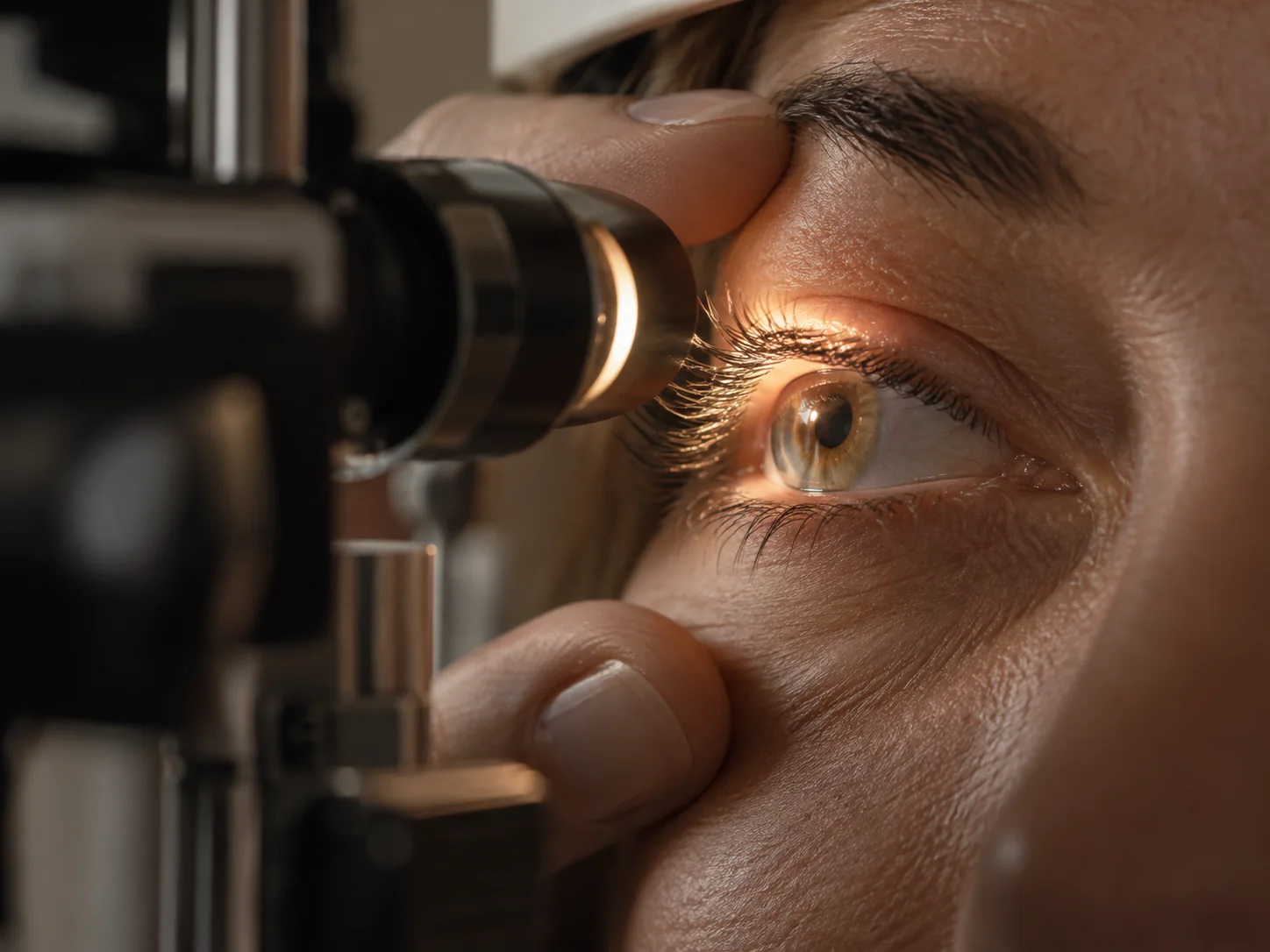
The eyelid margin and lash line under magnification at the slit lamp
Treats
Blepharitis & lid-margin disease
Takes
Under 10 minutes, both eyes
Feels like
A light tickle along the lashes
Repeat
Typically every 4–6 months

Why we use BlephEx

  • Clears crusting, debris and biofilm from the lash line
  • Often used for red, itchy, crusty lid margins
  • Often used to prepare the lids for IPL, gland expression and drops
  • Quick and repeatable, with no downtime

What it feels like

Numbing drops go in, and a soft spinning sponge sweeps along each lash line. Most patients describe a light tickling — and both eyes are done in under ten minutes, with no recovery time.

Where it fits

Step one against blepharitis.
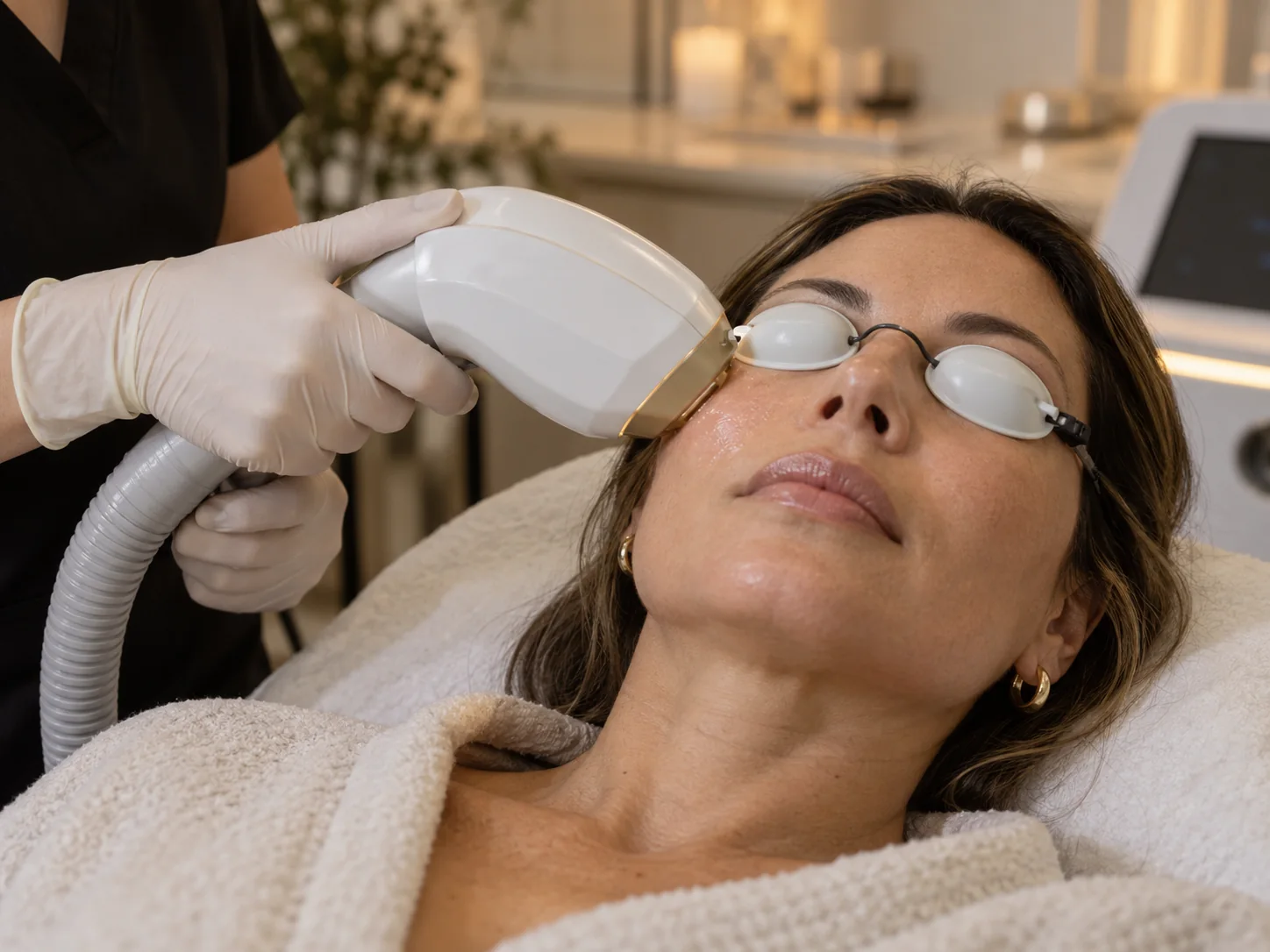
A dry eye treatment underway in the office

Blepharitis rarely occurs on its own. The same biofilm that crusts the lash line inflames the meibomian glands behind it, which drives evaporative dry eye. So we often use BlephEx as the first step in a larger plan. Once the lid margin is exfoliated, IPL, meibomian gland expression and prescription drops reach healthy tissue instead of fighting through debris.

At your dry eye evaluation, our eye doctors in Los Angeles photograph your lid margins and meibomian glands, grade the blepharitis, and tell you plainly whether BlephEx belongs in your plan — and how often it is worth repeating.

The program

Dry eye care, layer by layer.

Common questions

BlephEx, answered.

Anything else, call the office at 310-828-2010.

  • No. Numbing drops keep it comfortable. Most patients feel a light tickling along the lash line, and both eyes are done in under ten minutes.

  • Blepharitis is chronic. Most patients repeat BlephEx every 4–6 months, with simple lid hygiene at home in between.

  • BlephEx is typically an out-of-pocket treatment, and we review the exact cost with you before anything is scheduled.

  • BlephEx is an in-office treatment for blepharitis, the eyelid inflammation that comes with bacterial biofilm, crust and debris building up along the lash line. A soft, medical-grade micro-sponge spins gently along each lash line to clear crusting, debris and biofilm, with no recovery time afterward. At your dry eye evaluation we photograph your lid margins and glands and grade the blepharitis first, then tell you whether BlephEx belongs in your plan and how often it is worth repeating.

  • In two randomized trials it helped when added to home lid care. People with Demodex blepharitis (lid inflammation from tiny mites) who had one BlephEx session before eight weeks of tea tree oil lid scrubs ended up with fewer symptoms and fewer mites than people who used the scrubs alone. In a study of chalazia (blocked oil-gland bumps on the lid), 87% of patients treated with BlephEx plus lid hygiene saw the bump clear within a month, compared with 44% with lid hygiene alone. That is why it is often used as the first step in a blepharitis plan.

Also consider

Next step

Lids that feel clean again.

Book a dry eye evaluation and find out whether blepharitis is driving your symptoms.

Book a Dry Eye Evaluation Or call 310-828-2010