
Same-day urgent eye care
Mon 10–5 · Tue–Fri 8–5 310-828-2010 Book online Intake form
Cohenmehr Optometry — Vision · Dry Eye · Keratoconus Book appointment
Cohenmehr OptometryVision · Dry Eye · Keratoconus Center
Our Practice
Meet the Doctors TestimonialsShare FeedbackTraveling to See UsAreas We Serve Hours & Directions
Eye Care

Routine care

Comprehensive Eye CareContact Lens ExamsComputer Vision SyndromeGlasses and Contact LensesNeurolensAdvanced Diagnostics

Medical eye care

Glaucoma & Ocular DiseaseDiabetic Eye ExamsMacular Degeneration CareLow VisionStye & Chalazion TreatmentUrgent Care

Children’s vision

Pediatric Eye ExamsMyopia ManagementAtropineOrtho-KEssilor Stellest LensesVision Therapy

Surgery co-management

Surgical Co-ManagementLASIKPRKSMILEEVO ICLRefractive Lens ExchangeCataract SurgeryCorneal TransplantPterygium Surgery
Dry Eye
The Dry Eye CenterOptiLIFTIPL (Intense Pulsed Light)Punctal PlugsBlephExAmniotic MembranesPrescription DropsAutologous Serum DropsMeibomian Gland ProbingIPL for Rosacea

Understand

Types of Dry EyeThe Tear FilmDemodex BlepharitisDry Eye After LASIKMenopause & Dry EyeSjögren’s & Dry EyeContact Lens Discomfort

Cosmetics

Upneeq® · Buy OnlineUpneeq Intake Form
Myopia Control
The Myopia ProgramMyopia Estimator — free toolOrtho-K — $1,500 totalAtropineStellest LensesMultifocal ContactsMiSight 1 Day

For parents

Choosing a TreatmentWhy Myopia MattersOutdoor Time & ScreensFirst Ortho-K NightMeasuring Progression
Keratoconus
The Keratoconus CenterScleral Contact LensesSpecialty Contact LensesScleral Lens UsesEaglet Surface ProfilerScleral Lens Care

Go deeper

Eye Rubbing & KeratoconusKeratoconus in TeensCorneal HydropsTransplant Co-Management
Scleral Lenses

The lenses

Scleral Contact LensesEvery Use, at a GlanceEaglet Surface ProfilerScleral vs RGP vs HybridSpecialty Contact LensesSpecialty Soft & ProstheticLens Care & HandlingTraveling to See Us

Corneal conditions

KeratoconusPost-LASIK EctasiaPellucid Marginal DegenerationCorneal ScarringAfter Corneal TransplantAfter Radial Keratotomy (RK)Post-Surgical ComplicationsOcular Shingles Scarring

Surface disease & more

Severe Dry EyeSjögren’s SyndromeStevens-Johnson SyndromeGraft-vs-Host DiseaseBell’s Palsy & ExposureRare Tear DeficiencyPresbyopia & High RxSports & Active Wear
Library
Start With a SymptomEye Conditions A–ZArticlesFree ToolsFull Site Index

Patients

Patient Intake FormCommon QuestionsAccepted InsurancePaying for Care (FSA/HSA)
Call the office310-828-2010
Book appointment

Medically reviewed by Dr. Bijan Cohenmehr, OD Last reviewed

Ocular Graft-Versus-Host Disease

Dry eye after transplant is its own disease.

After a bone marrow or stem cell transplant, donor immune cells can target the body’s moisture systems — including the tear glands and eye surface. Ocular GVHD produces severe, persistent dryness with surface damage, and it deserves specialty-level care coordinated with your transplant team.
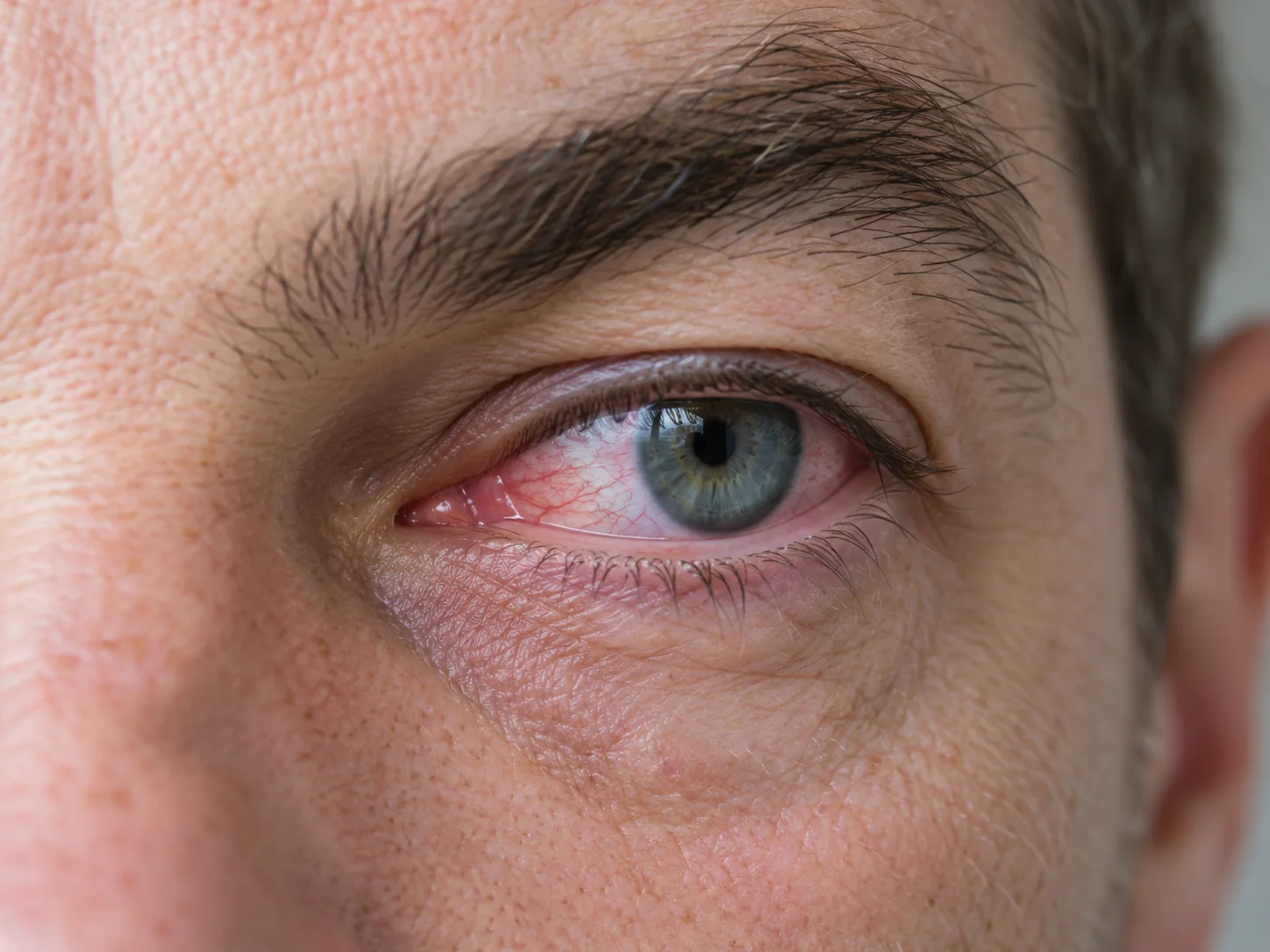
Close-up of a red, irritated eye
After
Bone marrow / stem cell transplant
Attacks
Tear glands and eye surface
Care
Staged, with your transplant team
Advanced
Scleral lenses, serum tears

Tell your transplant team and us if you notice

  • Burning, grittiness or light sensitivity after transplant
  • Stringy mucus and fluctuating vision
  • Drops helping for minutes, not hours
  • Pain with wind, air conditioning or reading

Why sclerals matter here

Scleral lenses hold a reservoir of preservative-free saline over the cornea all day — protection and comfort for surfaces that GVHD keeps raw. They are among the most effective tools for this disease.

Treatment

Staged care, escalated to effect.

  • Aggressive preservative-free lubrication and nighttime protection
  • Anti-inflammatory prescription therapy for the surface
  • Punctal plugs to retain tears once inflammation is managed
  • Autologous serum drops in select cases
  • Scleral lenses as the daily shield for advanced surface disease
  • Reports shared with your transplant and oncology team

Coordination

Your transplant team stays in the loop.

  • Findings and progress reported to your physicians
  • Flare-ups seen promptly
  • Care sequenced around your systemic treatment
Call 310-828-2010

Common questions

Ocular GVHD, answered.

Anything else, call the office at 310-828-2010.

  • Often in the chronic phase, months after transplant — any new eye symptoms after transplant deserve prompt evaluation.

  • It is controlled rather than cured: the goal is a comfortable, protected surface and preserved vision while your systemic disease is managed.

  • With careful fitting and hygiene, they are a mainstay for GVHD dryness. We train you thoroughly and follow closely.

  • Ocular graft-versus-host disease (GVHD) is eye involvement in GVHD, a complication of a bone marrow or stem cell transplant in which the newly transplanted donor cells attack the recipient's body. Its exact cause is unknown, but it likely comes from an immune reaction between the donor's and the recipient's cells. In the eyes it commonly causes dry eye, light sensitivity and repeated breakdown of the cornea's clear surface layer. It occurs only after transplants that use a donor's cells, since donor cells drive it.

  • In stages, matched to severity and stepped up until the surface is comfortable and protected. Care starts with preservative-free artificial tears and prescription anti-inflammatory drops, then adds punctal plugs (tiny plugs that keep tears from draining away) once the surface is not inflamed. Autologous serum drops, made from your own blood, help in select cases, and scleral lenses, a type the FDA has cleared for GVHD eye disease, become the daily shield for advanced disease. Your systemic GVHD treatment shapes the plan, so findings go to your transplant team.

Also consider

Next step

Post-transplant eyes need a plan.

Book an evaluation with a Los Angeles eye doctor and we’ll coordinate with your transplant team.

Book Today Or call 310-828-2010