
Same-day urgent eye care
Mon 10–5 · Tue–Fri 8–5 310-828-2010 Book online Intake form
Cohenmehr Optometry — Vision · Dry Eye · Keratoconus Book appointment
Cohenmehr OptometryVision · Dry Eye · Keratoconus Center
Our Practice
Meet the Doctors TestimonialsShare FeedbackTraveling to See UsAreas We Serve Hours & Directions
Eye Care

Routine care

Comprehensive Eye CareContact Lens ExamsComputer Vision SyndromeGlasses and Contact LensesNeurolensAdvanced Diagnostics

Medical eye care

Glaucoma & Ocular DiseaseDiabetic Eye ExamsMacular Degeneration CareLow VisionStye & Chalazion TreatmentUrgent Care

Children’s vision

Pediatric Eye ExamsMyopia ManagementAtropineOrtho-KEssilor Stellest LensesVision Therapy

Surgery co-management

Surgical Co-ManagementLASIKPRKSMILEEVO ICLRefractive Lens ExchangeCataract SurgeryCorneal TransplantPterygium Surgery
Dry Eye
The Dry Eye CenterOptiLIFTIPL (Intense Pulsed Light)Punctal PlugsBlephExAmniotic MembranesPrescription DropsAutologous Serum DropsMeibomian Gland ProbingIPL for Rosacea

Understand

Types of Dry EyeThe Tear FilmDemodex BlepharitisDry Eye After LASIKMenopause & Dry EyeSjögren’s & Dry EyeContact Lens Discomfort

Cosmetics

Upneeq® · Buy OnlineUpneeq Intake Form
Myopia Control
The Myopia ProgramMyopia Estimator — free toolOrtho-K — $1,500 totalAtropineStellest LensesMultifocal ContactsMiSight 1 Day

For parents

Choosing a TreatmentWhy Myopia MattersOutdoor Time & ScreensFirst Ortho-K NightMeasuring Progression
Keratoconus
The Keratoconus CenterScleral Contact LensesSpecialty Contact LensesScleral Lens UsesEaglet Surface ProfilerScleral Lens Care

Go deeper

Eye Rubbing & KeratoconusKeratoconus in TeensCorneal HydropsTransplant Co-Management
Scleral Lenses

The lenses

Scleral Contact LensesEvery Use, at a GlanceEaglet Surface ProfilerScleral vs RGP vs HybridSpecialty Contact LensesSpecialty Soft & ProstheticLens Care & HandlingTraveling to See Us

Corneal conditions

KeratoconusPost-LASIK EctasiaPellucid Marginal DegenerationCorneal ScarringAfter Corneal TransplantAfter Radial Keratotomy (RK)Post-Surgical ComplicationsOcular Shingles Scarring

Surface disease & more

Severe Dry EyeSjögren’s SyndromeStevens-Johnson SyndromeGraft-vs-Host DiseaseBell’s Palsy & ExposureRare Tear DeficiencyPresbyopia & High RxSports & Active Wear
Library
Start With a SymptomEye Conditions A–ZArticlesFree ToolsFull Site Index

Patients

Patient Intake FormCommon QuestionsAccepted InsurancePaying for Care (FSA/HSA)
Call the office310-828-2010
Book appointment

Medically reviewed by Dr. Bijan Cohenmehr, OD Last reviewed

Demodex Blepharitis: Symptoms, Causes & Treatment

When the problem at your lash line is alive.

Demodex are microscopic mites that live in lash follicles. In small numbers they are normal; overgrown, they inflame the lid margin, shed sleeve-like dandruff around lash bases, and drive itching that drops and wipes never quite fix.
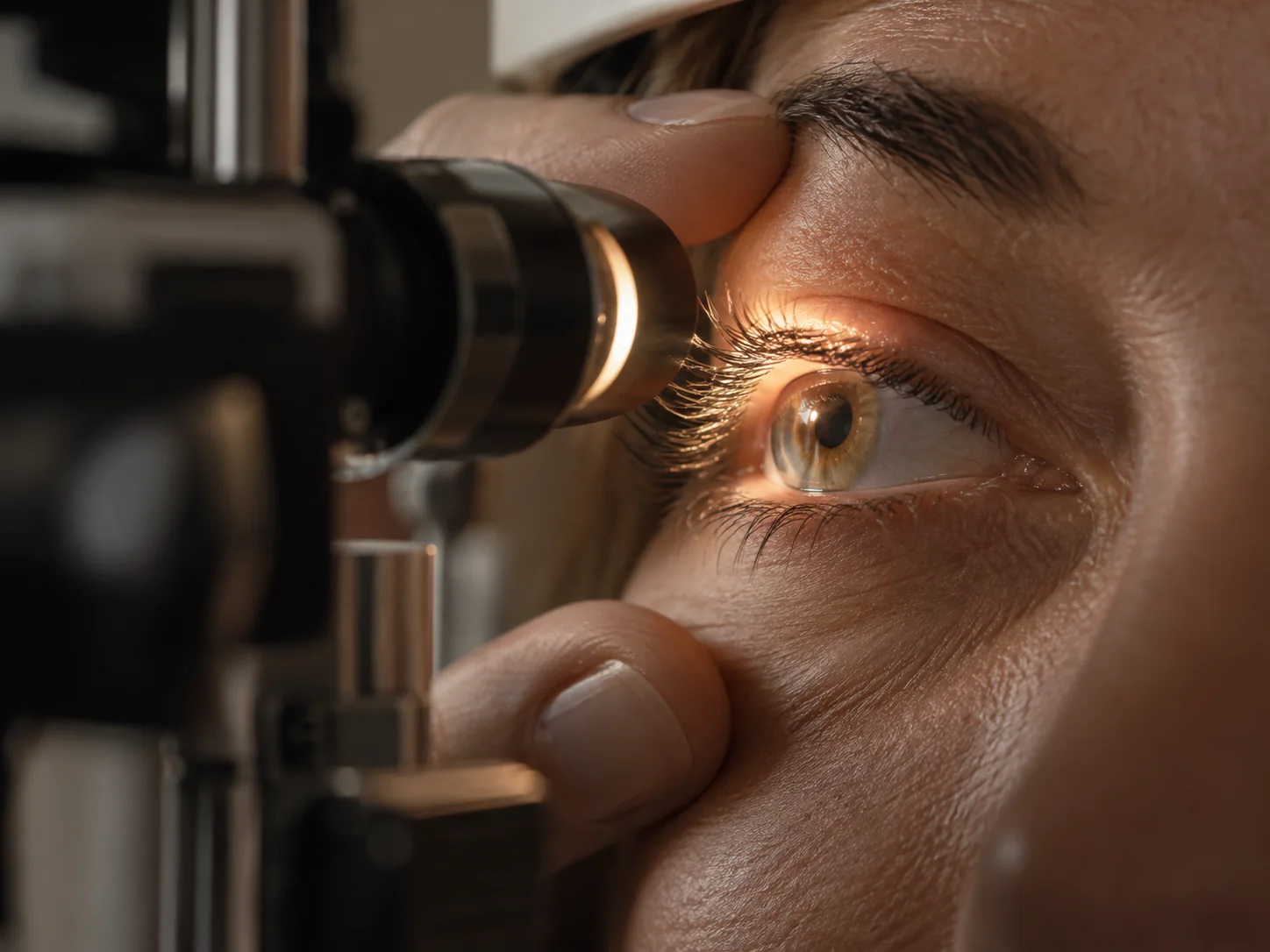
Magnified lash line under the slit lamp
Hallmark
Cylindrical dandruff at lash bases
Worst at
Morning — itch after sleep
Diagnosis
Slit-lamp look, lash exam
Treatment
In-office exfoliation + targeted therapy

Clearing it

Debride, treat, keep it gone.

  1. 01

    Confirm at the slit lamp

    Collarettes at the lash base are the tell; our optometrists in Los Angeles grade the load before treating.

  2. 02

    In-office eyelid exfoliation

    Mechanical debridement (ABMax) clears the biofilm and debris mites feed and breed in.

  3. 03

    Targeted therapy

    Follicle-directed treatment knocks the population down; lid hygiene keeps it down.

  4. 04

    Re-grade

    We recheck the lash line and your symptoms, and fold maintenance into your dry eye plan.

Suspect Demodex if

  • Lid itch is worst on waking
  • Flaky “sleeves” ring the lash bases
  • Blepharitis keeps relapsing after wipes and scrubs
  • Lashes thin, misdirect or fall
  • Rosacea keeps your lid margins red

Why wipes fail

Mites live down in the follicle, under the debris. Surface scrubs clear crumbs, not colonies, which is why treatment pairs in-office exfoliation with therapy that reaches the follicle.

Connected conditions

Mites rarely travel alone.

  • Blepharitis that relapses
  • Meibomian gland dysfunction and evaporative dry eye
  • Ocular rosacea at the lid margins
  • Recurrent styes and lash problems
Book a lid evaluation

Common questions

Demodex blepharitis, answered.

Anything else, call the office at 310-828-2010.

  • Small numbers are common and harmless. Symptoms come from overgrowth, which is what we diagnose and treat.

  • Home hygiene supports treatment but rarely clears an established overgrowth; the follicle-level debridement happens in office.

  • Transfer between close contacts can occur, but overgrowth reflects the lid environment more than exposure. We treat the environment.

  • Demodex are microscopic mites that live in hair and eyelash follicles and in oil glands, including those of the lids. Most older adults carry them, usually without trouble; Demodex blepharitis is the lid inflammation that develops when the population grows large enough to cause symptoms.

  • In office we debride the lash line to clear the collarettes and biofilm the mites live in, then prescribe treatment that reaches the follicle. In 2023 the FDA approved the first prescription eye drop specifically for Demodex blepharitis (lotilaner), used twice a day for six weeks. Daily lid hygiene keeps the count down afterward; over-the-counter wipes alone rarely clear an established overgrowth.

  • People describe itching, burning and a crawling or tickling feeling along the lash line, typically worst on waking. The mites themselves are too small to feel individually; the sensation comes from the inflammation they cause at the follicle. A lash-line exam settles it in minutes.

Demodex blepharitis near you

12222 Wilshire Blvd, on the Santa Monica border.

West Los AngelesBrentwoodSanta MonicaWestwoodBeverly HillsCulver CityPacific PalisadesWest HollywoodMarina del ReyNewport Beach

Also consider

Next step

Itchy lids every morning?

A five-minute lash-line exam settles whether Demodex is the reason.

Book a lid evaluation Or call 310-828-2010