
Medically reviewed by Dr. Brandon Cohenmehr, OD Last reviewed
Scleral Lenses After Stevens-Johnson
For the surfaces that never got to forget.
Stevens-Johnson syndrome is a medical emergency that ends — but its eye damage often doesn’t. Scarred lids, failed tear glands and a fragile cornea can mean years of pain and blur. A scleral lens addresses the aftermath directly: a liquid bandage worn all day, with the optics built in.
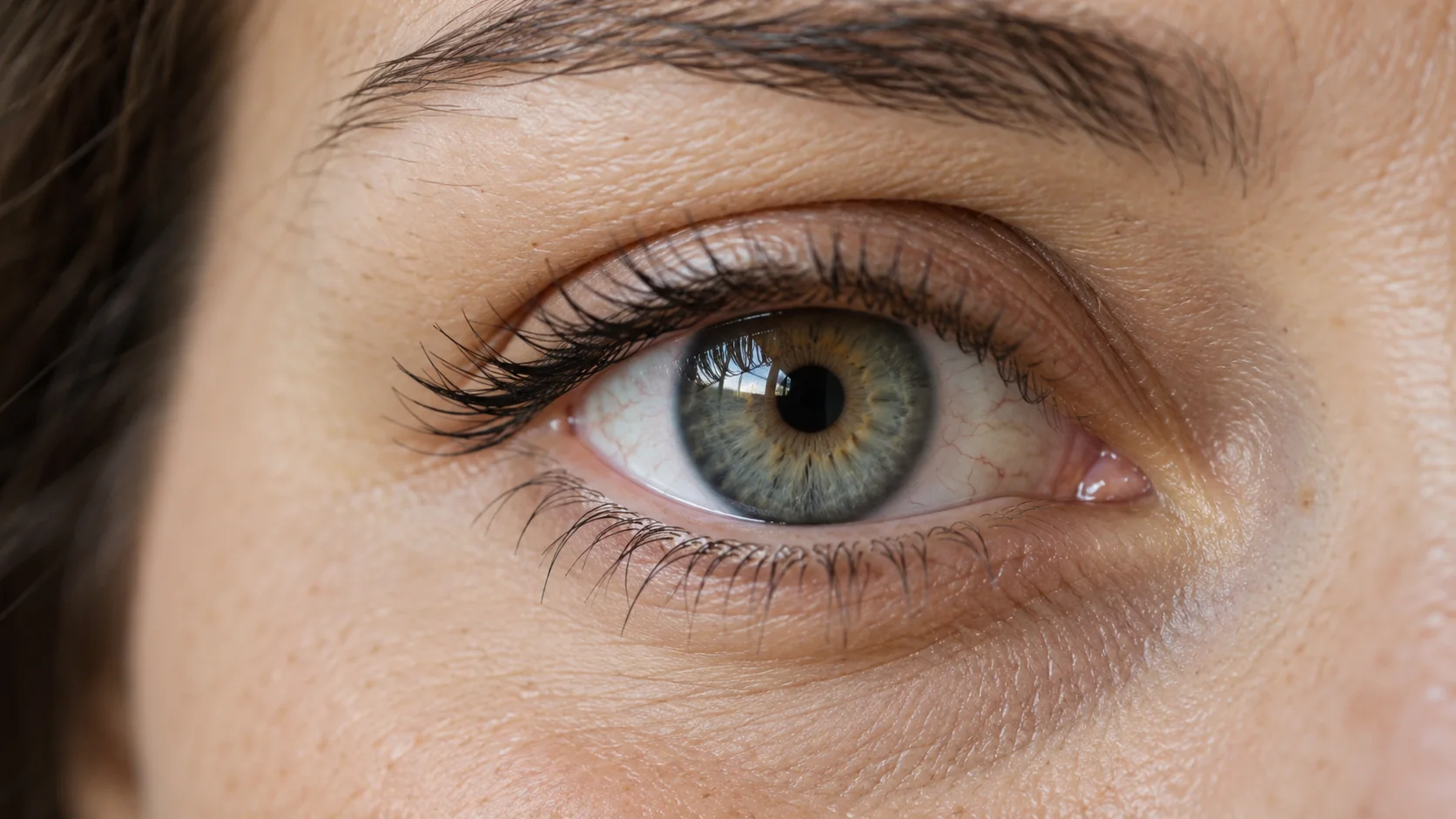
- The aftermath
- Scarring, dryness, lid friction
- The lens’s job
- Shield + reservoir + optics
- The fitting
- Slower, gentler, staged
- The payoff
- Less pain, more usable day
Why sclerals fit this
Three problems, one device.
- Friction
Scarred lids and misdirected lashes rake the cornea with every blink; the lens takes the hit instead.
- Drought
SJS often destroys tear production; the saline bowl replaces what the glands no longer make, hour after hour.
- Distortion
Surface scarring bends light unevenly; the lens front restores a clean optical path.
- The SJS fitting
We approach these eyes gently: shorter first wears, closer follow-ups, designs refined around the most fragile zones, and coordination with your corneal specialist throughout.
Measured hope
Not a cure. A very good day, repeatable.
- Pain relief is the most consistent report
- Vision gains depend on scar pattern; the trial lens tells the truth
- Lens wear runs alongside, never instead of, your specialist’s care
Stevens-Johnson near you
12222 Wilshire Blvd, on the Santa Monica border.
Also consider
Next step
Years past SJS, still paying for it?
Bring your history; the mapping visit with our optometrists in Los Angeles shows what a shield-with-optics can give back.