Same-day urgent eye care
Mon 10–5 · Tue–Fri 8–5 310-828-2010 Book online Intake form
Cohenmehr Optometry — Vision · Dry Eye · Keratoconus Book appointment
Cohenmehr OptometryVision · Dry Eye · Keratoconus Center
Our Practice
Meet the Doctors TestimonialsShare FeedbackTraveling to See UsAreas We Serve Hours & Directions
Eye Care

Routine care

Comprehensive Eye CareContact Lens ExamsComputer Vision SyndromeGlasses and Contact LensesNeurolensAdvanced Diagnostics

Medical eye care

Glaucoma & Ocular DiseaseDiabetic Eye ExamsMacular Degeneration CareLow VisionStye & Chalazion TreatmentUrgent Care

Children’s vision

Pediatric Eye ExamsMyopia ManagementAtropineOrtho-KEssilor Stellest LensesVision Therapy

Surgery co-management

Surgical Co-ManagementLASIKPRKSMILEEVO ICLRefractive Lens ExchangeCataract SurgeryCorneal TransplantPterygium Surgery
Dry Eye
The Dry Eye CenterOptiLIFTIPL (Intense Pulsed Light)Punctal PlugsBlephExAmniotic MembranesPrescription DropsAutologous Serum DropsMeibomian Gland ProbingIPL for Rosacea

Understand

Types of Dry EyeThe Tear FilmDemodex BlepharitisDry Eye After LASIKMenopause & Dry EyeSjögren’s & Dry EyeContact Lens Discomfort

Cosmetics

Upneeq® · Buy OnlineUpneeq Intake Form
Myopia Control
The Myopia ProgramMyopia Estimator — free toolOrtho-K — $1,500 totalAtropineStellest LensesMultifocal ContactsMiSight 1 Day

For parents

Choosing a TreatmentWhy Myopia MattersOutdoor Time & ScreensFirst Ortho-K NightMeasuring Progression
Keratoconus
The Keratoconus CenterScleral Contact LensesSpecialty Contact LensesScleral Lens UsesEaglet Surface ProfilerScleral Lens Care

Go deeper

Eye Rubbing & KeratoconusKeratoconus in TeensCorneal HydropsTransplant Co-Management
Scleral Lenses

The lenses

Scleral Contact LensesEvery Use, at a GlanceEaglet Surface ProfilerScleral vs RGP vs HybridSpecialty Contact LensesSpecialty Soft & ProstheticLens Care & HandlingTraveling to See Us

Corneal conditions

KeratoconusPost-LASIK EctasiaPellucid Marginal DegenerationCorneal ScarringAfter Corneal TransplantAfter Radial Keratotomy (RK)Post-Surgical ComplicationsOcular Shingles Scarring

Surface disease & more

Severe Dry EyeSjögren’s SyndromeStevens-Johnson SyndromeGraft-vs-Host DiseaseBell’s Palsy & ExposureRare Tear DeficiencyPresbyopia & High RxSports & Active Wear
Library
Start With a SymptomEye Conditions A–ZArticlesFree ToolsFull Site Index

Patients

Patient Intake FormCommon QuestionsAccepted InsurancePaying for Care (FSA/HSA)
Call the office310-828-2010
Book appointment

Medically reviewed by Dr. Kevin Cohenmehr, OD Last reviewed

Macular Degeneration Treatment & Monitoring in Los Angeles

Protecting the vision you read and recognize faces with.

Age-related macular degeneration (AMD) affects the macula, the part of the retina responsible for sharp, central vision. It can impact reading, driving, and recognizing faces.

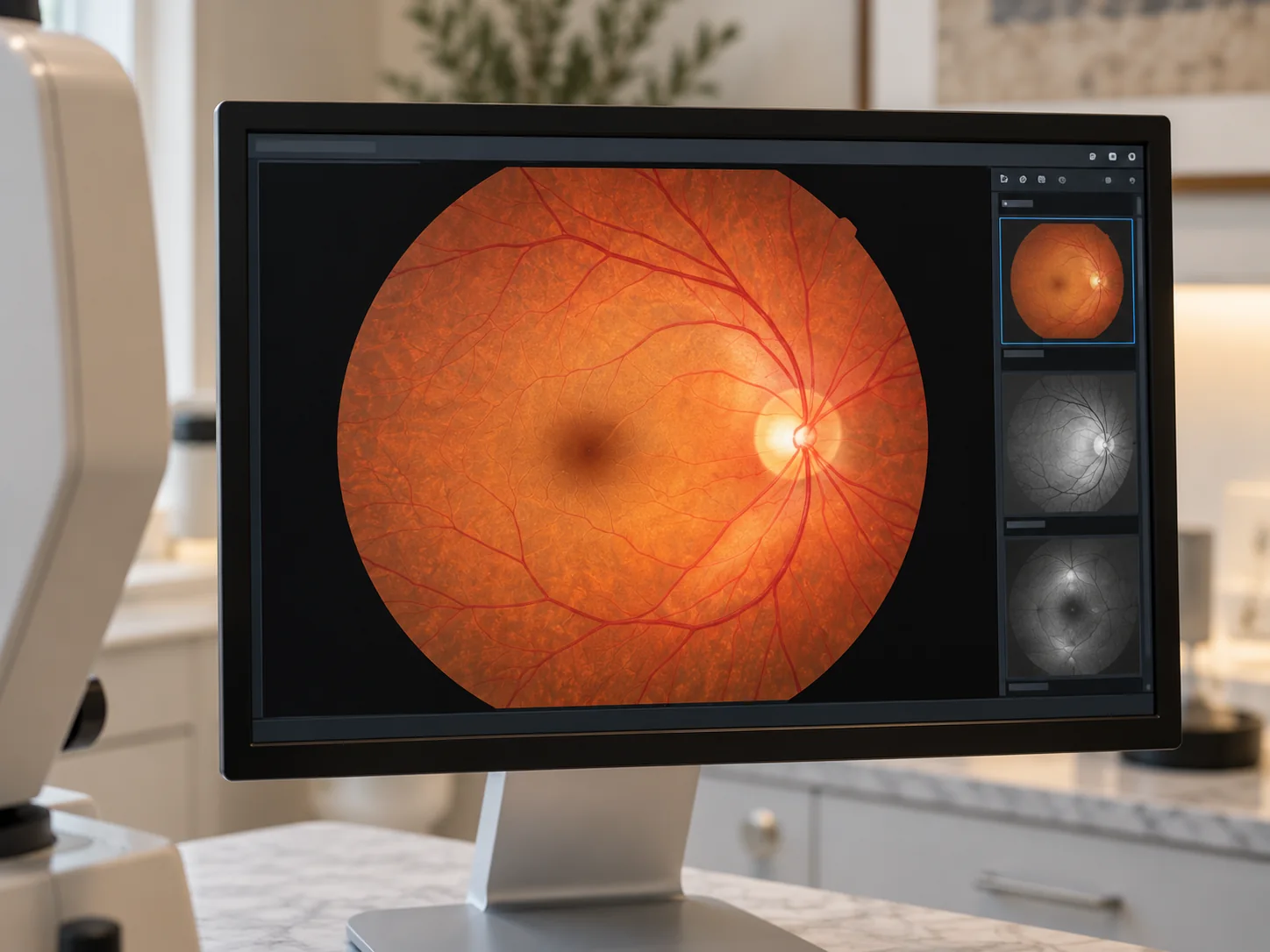
A retinal photograph of the macula
Forms
Dry and wet AMD
Imaging
OCT and retinal photography
Led by
Dr. Kevin Cohenmehr
If wet AMD
Prompt retinal referral

Our care

Watchful, image-guided monitoring.

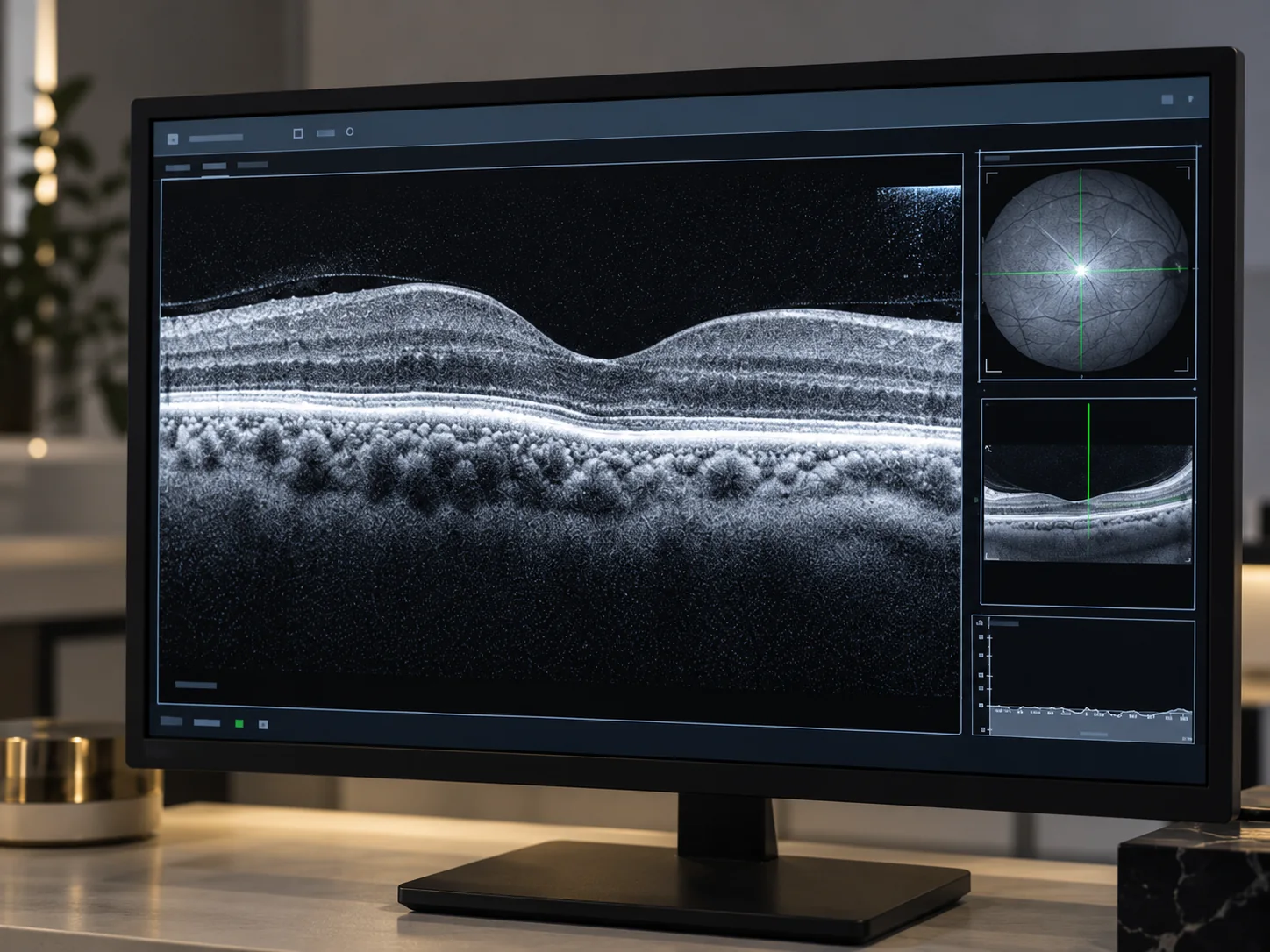
OCT scan of the macula

Our eye doctors in Los Angeles monitor both dry and wet forms of macular degeneration with advanced imaging to identify changes early and guide management.

  • OCT imaging to assess macular structure and fluid
  • Retinal photography to monitor progression
  • Education on lifestyle changes and nutritional supplementation
  • Prompt referral for retinal treatment when indicated

Early diagnosis is critical to preserving vision.

Live better with AMD

If central vision has already been lost.

  • Low vision care helps you use the vision you have
  • Magnification, lighting and contrast strategies for reading and daily tasks
Low vision care

Common questions

Macular degeneration, answered.

Anything else, call the office at 310-828-2010.

  • Dry AMD progresses slowly; wet AMD involves fluid and needs prompt retinal treatment. We monitor both and refer immediately when wet changes appear.

  • For some stages, nutritional supplementation is part of management. We review what fits your case at the exam.

  • It depends on your stage and risk. Imaging at regular intervals is how change is caught early.

  • Family history is one of the strongest risk factors, along with age over 55, smoking and Caucasian ancestry. A parent or sibling with AMD does not make it certain, but it does make regular dilated exams and retinal imaging worth starting earlier.

  • Aging changes in the macula: waste deposits called drusen build up under the retina, the light-sensing cells above them thin (dry AMD), and in some eyes abnormal, leaky blood vessels grow underneath (wet AMD). Smoking raises the risk substantially; genetics, diet and cardiovascular health also contribute.

  • No. AMD affects central vision and leaves side vision intact, so it does not cause total blindness. Most people have the dry form, which usually progresses slowly over years; the wet form can take central vision quickly but is treatable with injections when caught early, which is what monitoring is for.

  • Dry AMD typically moves slowly, over years, through early, intermediate and late stages, and some eyes never reach the late stage. Wet AMD is different: vision can change in days to weeks, and the warning sign is straight lines looking wavy or a blurred spot in the center. That is why patients with intermediate AMD check an Amsler grid at home between imaging visits.

  • The AREDS2 formula (vitamins C and E, zinc, copper, lutein and zeaxanthin), which in National Eye Institute trials lowered the risk of intermediate AMD progressing to late AMD. It does not help early AMD, does not prevent AMD in healthy eyes, and is not a substitute for monitoring. We tell you whether your stage qualifies.

Macular degeneration near you

12222 Wilshire Blvd, on the Santa Monica border.

West Los AngelesBrentwoodSanta MonicaWestwoodBeverly HillsCulver CityPacific PalisadesWest HollywoodMarina del ReyNewport Beach

Also consider

Next step

Check on your macula.

Book an evaluation with OCT imaging, and know where you stand.

Book Today Or call 310-828-2010