
Same-day urgent eye care
Mon 10–5 · Tue–Fri 8–5 310-828-2010 Book online Intake form
Cohenmehr Optometry — Vision · Dry Eye · Keratoconus Book appointment
Cohenmehr OptometryVision · Dry Eye · Keratoconus Center
Our Practice
Meet the Doctors TestimonialsShare FeedbackTraveling to See UsAreas We Serve Hours & Directions
Eye Care

Routine care

Comprehensive Eye CareContact Lens ExamsComputer Vision SyndromeGlasses and Contact LensesNeurolensAdvanced Diagnostics

Medical eye care

Glaucoma & Ocular DiseaseDiabetic Eye ExamsMacular Degeneration CareLow VisionStye & Chalazion TreatmentUrgent Care

Children’s vision

Pediatric Eye ExamsMyopia ManagementAtropineOrtho-KEssilor Stellest LensesVision Therapy

Surgery co-management

Surgical Co-ManagementLASIKPRKSMILEEVO ICLRefractive Lens ExchangeCataract SurgeryCorneal TransplantPterygium Surgery
Dry Eye
The Dry Eye CenterOptiLIFTIPL (Intense Pulsed Light)Punctal PlugsBlephExAmniotic MembranesPrescription DropsAutologous Serum DropsMeibomian Gland ProbingIPL for Rosacea

Understand

Types of Dry EyeThe Tear FilmDemodex BlepharitisDry Eye After LASIKMenopause & Dry EyeSjögren’s & Dry EyeContact Lens Discomfort

Cosmetics

Upneeq® · Buy OnlineUpneeq Intake Form
Myopia Control
The Myopia ProgramMyopia Estimator — free toolOrtho-K — $1,500 totalAtropineStellest LensesMultifocal ContactsMiSight 1 Day

For parents

Choosing a TreatmentWhy Myopia MattersOutdoor Time & ScreensFirst Ortho-K NightMeasuring Progression
Keratoconus
The Keratoconus CenterScleral Contact LensesSpecialty Contact LensesScleral Lens UsesEaglet Surface ProfilerScleral Lens Care

Go deeper

Eye Rubbing & KeratoconusKeratoconus in TeensCorneal HydropsTransplant Co-Management
Scleral Lenses

The lenses

Scleral Contact LensesEvery Use, at a GlanceEaglet Surface ProfilerScleral vs RGP vs HybridSpecialty Contact LensesSpecialty Soft & ProstheticLens Care & HandlingTraveling to See Us

Corneal conditions

KeratoconusPost-LASIK EctasiaPellucid Marginal DegenerationCorneal ScarringAfter Corneal TransplantAfter Radial Keratotomy (RK)Post-Surgical ComplicationsOcular Shingles Scarring

Surface disease & more

Severe Dry EyeSjögren’s SyndromeStevens-Johnson SyndromeGraft-vs-Host DiseaseBell’s Palsy & ExposureRare Tear DeficiencyPresbyopia & High RxSports & Active Wear
Library
Start With a SymptomEye Conditions A–ZArticlesFree ToolsFull Site Index

Patients

Patient Intake FormCommon QuestionsAccepted InsurancePaying for Care (FSA/HSA)
Call the office310-828-2010
Book appointment

Medically reviewed by Dr. Bijan Cohenmehr, OD Last reviewed

Dry Eye Home Remedies

The daily routine that makes everything else work.

In-office treatments and prescriptions work better when the daily routine supports the tear film. The basics are simple, but the details decide whether they help: which drops, how warm, how long, how consistently.
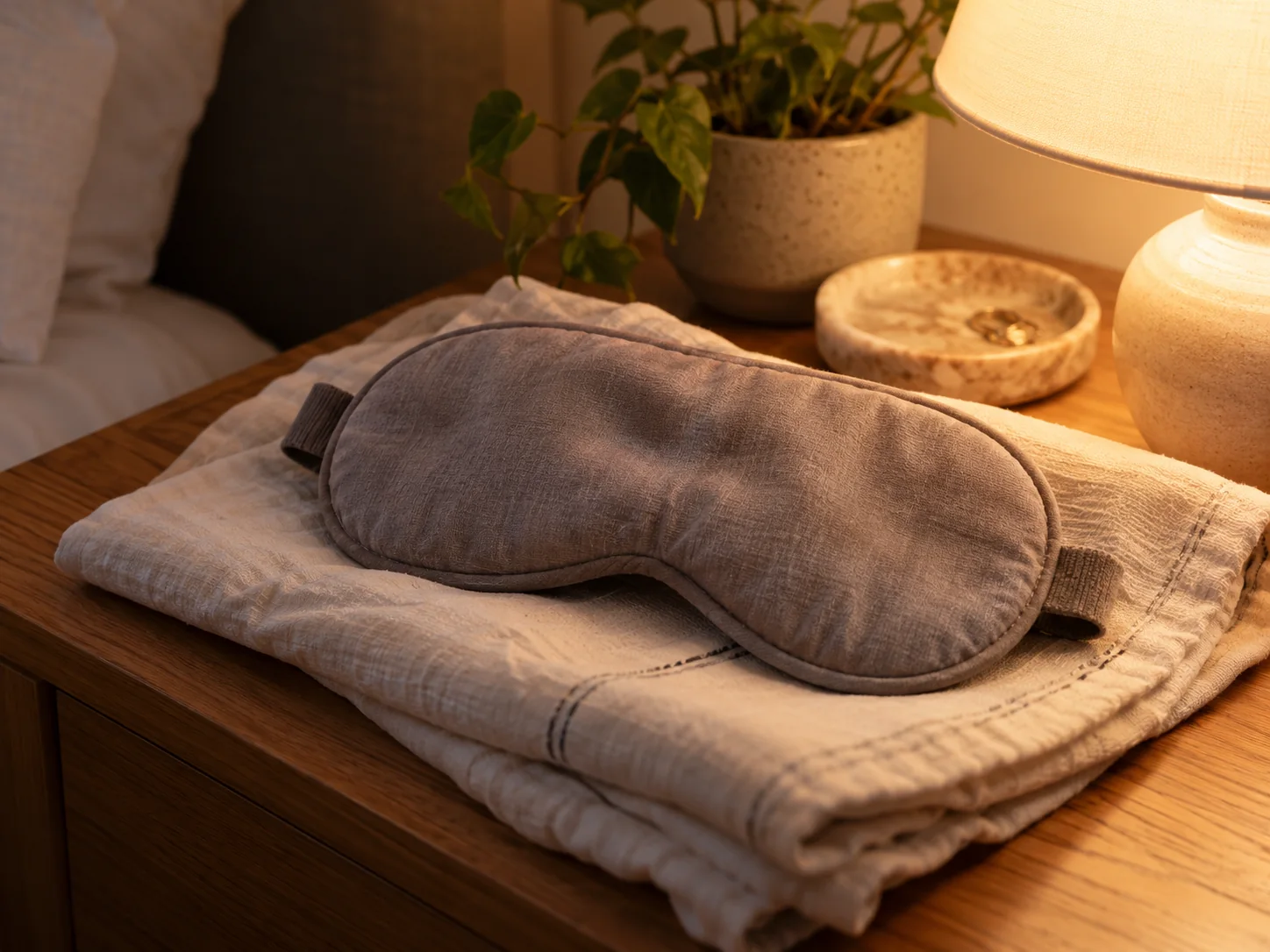
A heated eye mask and preservative-free tears
Drops
Preservative-free artificial tears
Heat
A mask that holds warmth
Lids
Gentle cleansing when crusted
Night
Gel, ointment, or moisture protection

A strong home routine

  • Preservative-free artificial tears during the day — preservatives can irritate chronically dry eyes
  • Warm compresses for MGD: a reusable heated mask beats a washcloth that cools in a minute
  • Gentle lid cleaning when crusting is present
  • Screen breaks that restore full, complete blinks
  • Nighttime gel, ointment, or moisture protection if your eyes dry out during sleep

Why technique matters

Heat has to reach the oil long enough to soften it, and drops have to be the right kind for your dryness. Our optometrists in Los Angeles set your routine at the exam — then in-office care builds on it.

Its limits

What home care can and can’t do.

Consistency keeps mild dryness comfortable and holds the gains after IPL, expression, or plugs. It can’t unblock failing glands, close leaky vessels, or heal a damaged surface. That is what the in-office layers are for.

Contact lens habits, medications, autoimmune conditions, allergies and indoor air all influence symptoms too; your plan accounts for them.

Escalate when

Signs home care isn’t enough.

  • Relief lasts minutes, not hours
  • Mornings start crusty, burning or blurry
  • You’re using drops more than four times a day
Book a dry eye evaluation

Common questions

Home care, answered.

Anything else, call the office at 310-828-2010.

  • Preservative-free is the usual answer for frequent use — but the right formula depends on whether your problem is volume or evaporation. Ask at your exam.

  • Long enough to actually soften oil — minutes of steady warmth, which is why heated masks outperform washcloths.

  • Dryness at screens is mostly about reduced, incomplete blinking. Breaks and blink habits do more than tints.

  • No single drop suits everyone; the right one depends on your type of dry eye. For mild dryness, over-the-counter artificial tears are the usual start, and preservative-free versions are recommended because they contain fewer additives that can further irritate the eyes. Gels and ointments can also help, especially overnight, and whether a formula should add oil depends on whether your tears run short or evaporate too fast. When tears alone do not hold, prescription drops treat the cause.

  • Use preservative-free artificial tears on a schedule, not only when it hurts; warm the lids with a mask that holds its heat, then blink fully; clean the lid margins; take screen breaks and blink on purpose; keep fans and vents off your face; run a humidifier in dry rooms; and wear wraparound sunglasses outdoors. Home care keeps mild dry eye comfortable and holds the results of in-office treatment, but it cannot unblock failing glands.

Also consider

Next step

Get a routine built for your eyes.

Book an evaluation; leave with drops, heat and habits matched to your dryness type.

Book Today Or call 310-828-2010