
Same-day urgent eye care
Mon 10–5 · Tue–Fri 8–5 310-828-2010 Book online Intake form
Cohenmehr Optometry — Vision · Dry Eye · Keratoconus Book appointment
Cohenmehr OptometryVision · Dry Eye · Keratoconus Center
Our Practice
Meet the Doctors TestimonialsShare FeedbackTraveling to See UsAreas We Serve Hours & Directions
Eye Care

Routine care

Comprehensive Eye CareContact Lens ExamsComputer Vision SyndromeGlasses and Contact LensesNeurolensAdvanced Diagnostics

Medical eye care

Glaucoma & Ocular DiseaseDiabetic Eye ExamsMacular Degeneration CareLow VisionStye & Chalazion TreatmentUrgent Care

Children’s vision

Pediatric Eye ExamsMyopia ManagementAtropineOrtho-KEssilor Stellest LensesVision Therapy

Surgery co-management

Surgical Co-ManagementLASIKPRKSMILEEVO ICLRefractive Lens ExchangeCataract SurgeryCorneal TransplantPterygium Surgery
Dry Eye
The Dry Eye CenterOptiLIFTIPL (Intense Pulsed Light)Punctal PlugsBlephExAmniotic MembranesPrescription DropsAutologous Serum DropsMeibomian Gland ProbingIPL for Rosacea

Understand

Types of Dry EyeThe Tear FilmDemodex BlepharitisDry Eye After LASIKMenopause & Dry EyeSjögren’s & Dry EyeContact Lens Discomfort

Cosmetics

Upneeq® · Buy OnlineUpneeq Intake Form
Myopia Control
The Myopia ProgramMyopia Estimator — free toolOrtho-K — $1,500 totalAtropineStellest LensesMultifocal ContactsMiSight 1 Day

For parents

Choosing a TreatmentWhy Myopia MattersOutdoor Time & ScreensFirst Ortho-K NightMeasuring Progression
Keratoconus
The Keratoconus CenterScleral Contact LensesSpecialty Contact LensesScleral Lens UsesEaglet Surface ProfilerScleral Lens Care

Go deeper

Eye Rubbing & KeratoconusKeratoconus in TeensCorneal HydropsTransplant Co-Management
Scleral Lenses

The lenses

Scleral Contact LensesEvery Use, at a GlanceEaglet Surface ProfilerScleral vs RGP vs HybridSpecialty Contact LensesSpecialty Soft & ProstheticLens Care & HandlingTraveling to See Us

Corneal conditions

KeratoconusPost-LASIK EctasiaPellucid Marginal DegenerationCorneal ScarringAfter Corneal TransplantAfter Radial Keratotomy (RK)Post-Surgical ComplicationsOcular Shingles Scarring

Surface disease & more

Severe Dry EyeSjögren’s SyndromeStevens-Johnson SyndromeGraft-vs-Host DiseaseBell’s Palsy & ExposureRare Tear DeficiencyPresbyopia & High RxSports & Active Wear
Library
Start With a SymptomEye Conditions A–ZArticlesFree ToolsFull Site Index

Patients

Patient Intake FormCommon QuestionsAccepted InsurancePaying for Care (FSA/HSA)
Call the office310-828-2010
Book appointment

Medically reviewed by Dr. Brandon Cohenmehr, OD Last reviewed

Prosthetic & Specialty Soft Contact Lenses in Los Angeles

Custom iris-print lenses that tame light — and restore a natural look.

Some eyes need a lens that does what the iris no longer can: control light, hide a scar, or simply look like its partner again. Custom prosthetic and tinted soft lenses are designed and matched in office — for comfort in daylight and confidence in every mirror.
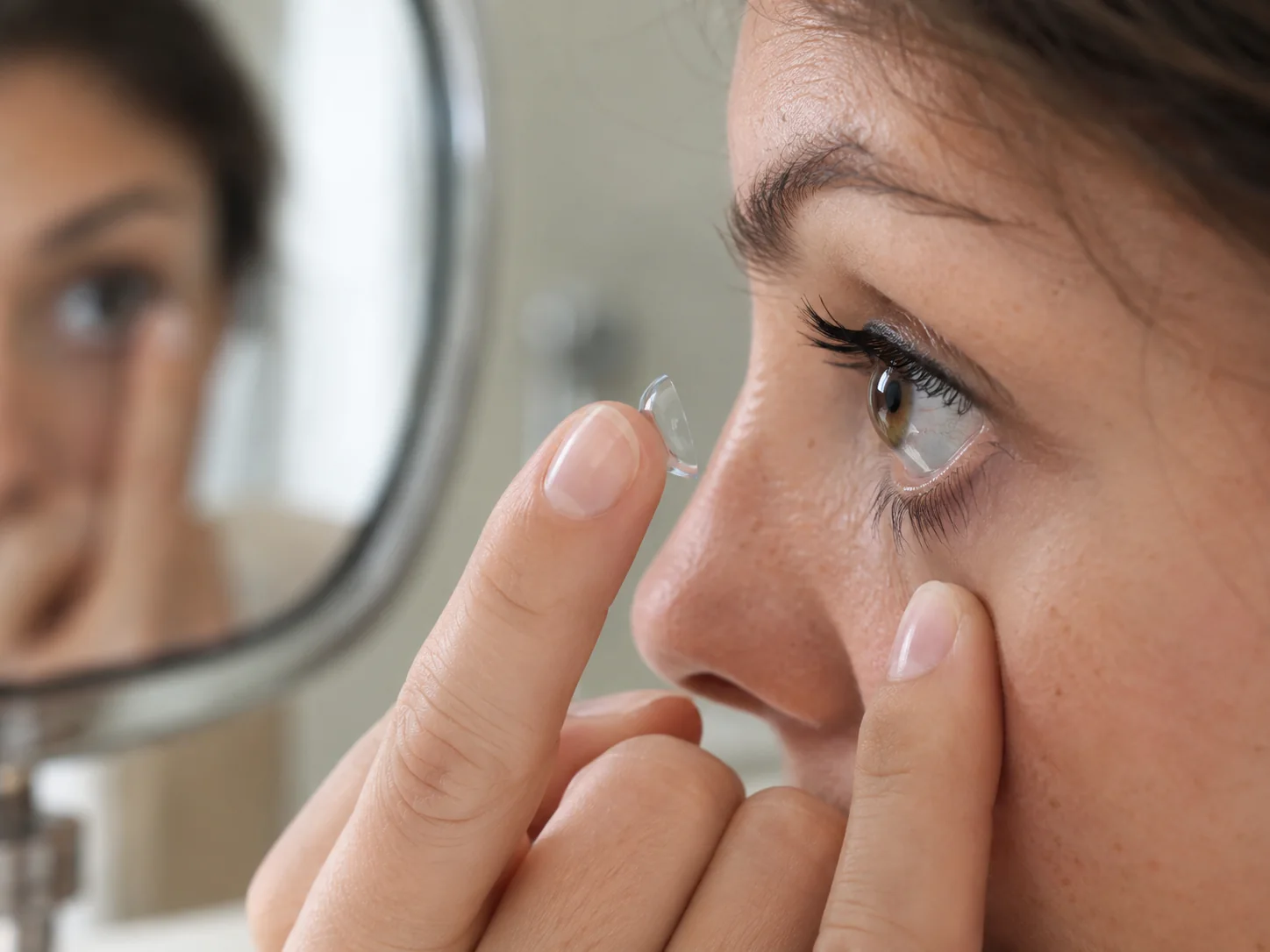
A custom soft lens evaluated at the slit lamp
Purpose
Light control + cosmesis
Design
Custom iris print
Match
Built to the fellow eye
Also
Occluders for diplopia

The problem

When the iris can’t do its job, light hurts.
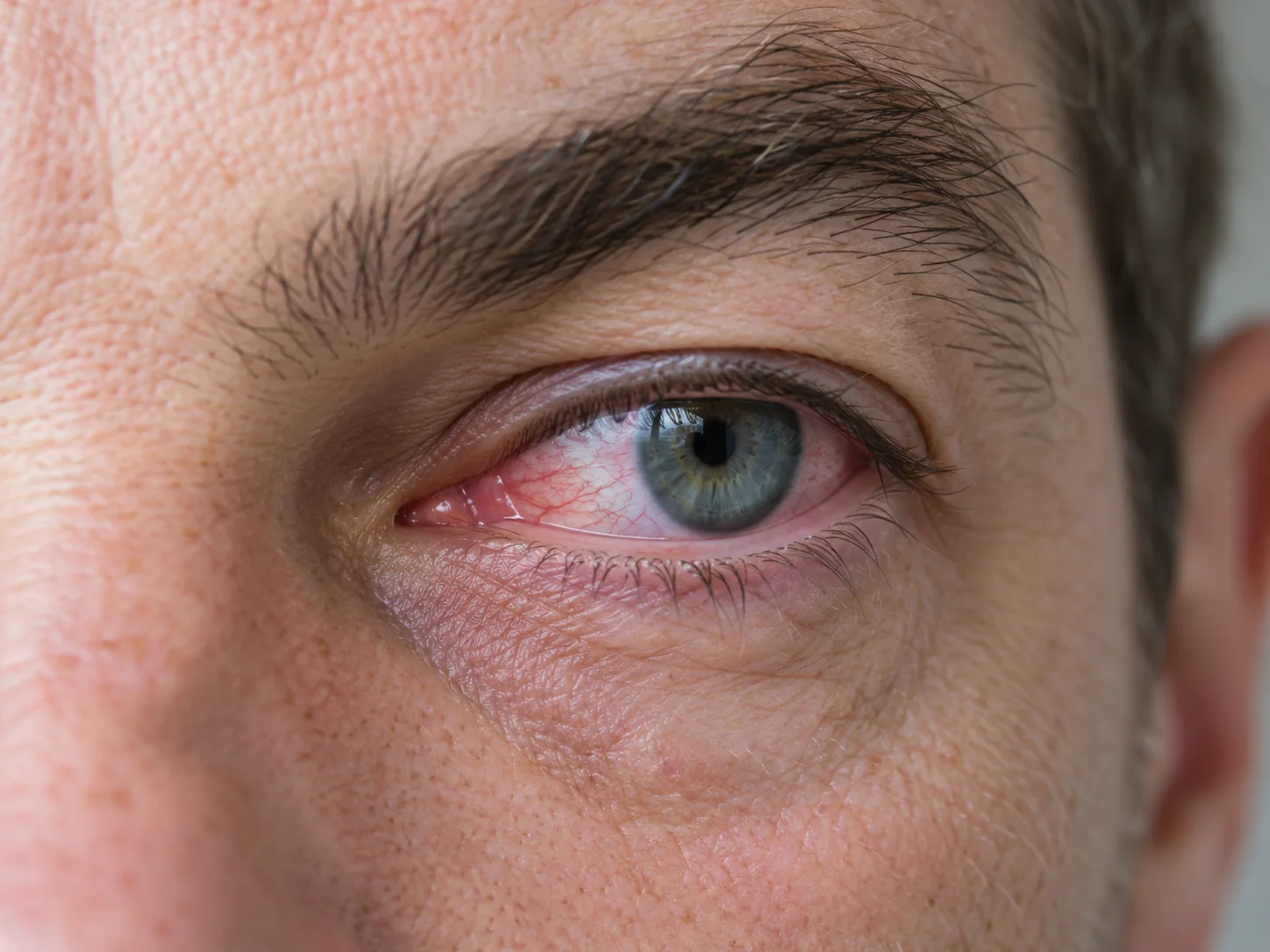
An eye struggling with glare and light sensitivity

The iris is the eye’s aperture and meters every ray that reaches the retina. When it’s absent, torn or fixed open, ordinary daylight becomes glare, and glare becomes disabling: squinting indoors, sunglasses at dusk, headaches by noon. A separate burden is visible difference (a scarred or clouded eye after trauma that no longer matches its partner).

  • Aniridia: a congenitally absent or partial iris
  • Traumatic mydriasis: a pupil fixed wide after injury
  • Iris coloboma: a keyhole gap in the iris
  • Albinism and iris transillumination: light leaking through the iris itself
  • Corneal scarring or a disfigured eye after trauma or surgery
  • Intractable double vision: when one eye’s image can’t be fused

A prosthetic soft lens was invented for these problems, and we fit, match and refine the lenses here in office.

The lenses

An artificial iris, worn like any soft lens.

A prosthetic soft lens carries a custom-printed iris, with color, pattern and pupil size chosen to the eye and to its partner. It wears like an ordinary soft lens and changes the day entirely.

Light, metered again
The printed iris blocks excess light the way a natural iris would, so patients go from disabled by glare to comfortable outdoors.
A natural match
Iris color, diameter and pupil size are matched to the fellow eye in office — across the table, most people can’t tell which eye wears the lens.
Vision built in
When the eye sees, your prescription is built into the lens; when it doesn’t, a plano shell restores appearance alone.
An occluder when needed
For intractable double vision, a black-pupil occluder lens switches one image off and is far more discreet than a patch.
Book a fitting consult

Common questions

Prosthetic lenses, answered.

Anything else, call the office at 310-828-2010.

  • Anyone whose iris no longer meters light — aniridia, traumatic mydriasis, coloboma, albinism, iris atrophy — plus eyes made visibly different by scarring or trauma, and people with intractable double vision who need one image occluded.

  • Modern iris printing is remarkably convincing. We match color, pattern, iris diameter and pupil size to the fellow eye in office, and refine until it passes the across-the-table test: most people can’t tell.

  • Yes. If the eye has usable vision, your full prescription is built into the prosthetic lens. If it doesn’t, a plano (no-power) shell restores the appearance without changing anything optically.

  • In person — photographs, trial tints and diagnostic lenses compared against your other eye in natural light. Prosthetic fitting is iterative by design; remakes to dial in the match are part of the process, not a failure of it.

  • If your photophobia comes from a pupil or iris abnormality, yes — the printed iris restores the light-metering the eye lost. Many patients describe it as the difference between hiding indoors and living normally outdoors.

  • Yes — congenital conditions and childhood trauma are common reasons for prosthetic fits, and the lenses can also serve amblyopia therapy as occluders. We pace pediatric fittings with extra care and parent training.

Prosthetic contact lenses near you

12222 Wilshire Blvd, on the Santa Monica border. Free parking on Wellesley, just south of Wilshire.

West Los AngelesBrentwoodSanta MonicaWestwoodBeverly HillsCentury CityBel AirCulver CityMar VistaVeniceMarina del ReyPacific PalisadesWest Hollywood

Also consider

Next step

Comfort and confidence, restored.

Bring your history and your questions. Our optometrists in Los Angeles will examine the eye, show you design options, and begin the match the same visit.

Book Today Or call 310-828-2010