
Same-day urgent eye care
Mon 10–5 · Tue–Fri 8–5 310-828-2010 Book online Intake form
Cohenmehr Optometry — Vision · Dry Eye · Keratoconus Book appointment
Cohenmehr OptometryVision · Dry Eye · Keratoconus Center
Our Practice
Meet the Doctors TestimonialsShare FeedbackTraveling to See UsAreas We Serve Hours & Directions
Eye Care

Routine care

Comprehensive Eye CareContact Lens ExamsComputer Vision SyndromeGlasses and Contact LensesNeurolensAdvanced Diagnostics

Medical eye care

Glaucoma & Ocular DiseaseDiabetic Eye ExamsMacular Degeneration CareLow VisionStye & Chalazion TreatmentUrgent Care

Children’s vision

Pediatric Eye ExamsMyopia ManagementAtropineOrtho-KEssilor Stellest LensesVision Therapy

Surgery co-management

Surgical Co-ManagementLASIKPRKSMILEEVO ICLRefractive Lens ExchangeCataract SurgeryCorneal TransplantPterygium Surgery
Dry Eye
The Dry Eye CenterOptiLIFTIPL (Intense Pulsed Light)Punctal PlugsBlephExAmniotic MembranesPrescription DropsAutologous Serum DropsMeibomian Gland ProbingIPL for Rosacea

Understand

Types of Dry EyeThe Tear FilmDemodex BlepharitisDry Eye After LASIKMenopause & Dry EyeSjögren’s & Dry EyeContact Lens Discomfort

Cosmetics

Upneeq® · Buy OnlineUpneeq Intake Form
Myopia Control
The Myopia ProgramMyopia Estimator — free toolOrtho-K — $1,500 totalAtropineStellest LensesMultifocal ContactsMiSight 1 Day

For parents

Choosing a TreatmentWhy Myopia MattersOutdoor Time & ScreensFirst Ortho-K NightMeasuring Progression
Keratoconus
The Keratoconus CenterScleral Contact LensesSpecialty Contact LensesScleral Lens UsesEaglet Surface ProfilerScleral Lens Care

Go deeper

Eye Rubbing & KeratoconusKeratoconus in TeensCorneal HydropsTransplant Co-Management
Scleral Lenses

The lenses

Scleral Contact LensesEvery Use, at a GlanceEaglet Surface ProfilerScleral vs RGP vs HybridSpecialty Contact LensesSpecialty Soft & ProstheticLens Care & HandlingTraveling to See Us

Corneal conditions

KeratoconusPost-LASIK EctasiaPellucid Marginal DegenerationCorneal ScarringAfter Corneal TransplantAfter Radial Keratotomy (RK)Post-Surgical ComplicationsOcular Shingles Scarring

Surface disease & more

Severe Dry EyeSjögren’s SyndromeStevens-Johnson SyndromeGraft-vs-Host DiseaseBell’s Palsy & ExposureRare Tear DeficiencyPresbyopia & High RxSports & Active Wear
Library
Start With a SymptomEye Conditions A–ZArticlesFree ToolsFull Site Index

Patients

Patient Intake FormCommon QuestionsAccepted InsurancePaying for Care (FSA/HSA)
Call the office310-828-2010
Book appointment

Medically reviewed by Dr. Brandon Cohenmehr, OD Last reviewed

Scleral Lenses in Los Angeles

A smooth optical surface, and a reservoir of moisture, for eyes that other lenses can’t help.

A scleral lens is larger than a standard contact lens. It rests on the white part of the eye (the sclera), vaults over the cornea without touching it, and is filled with sterile saline before insertion. That fluid stays between the lens and your eye all day.
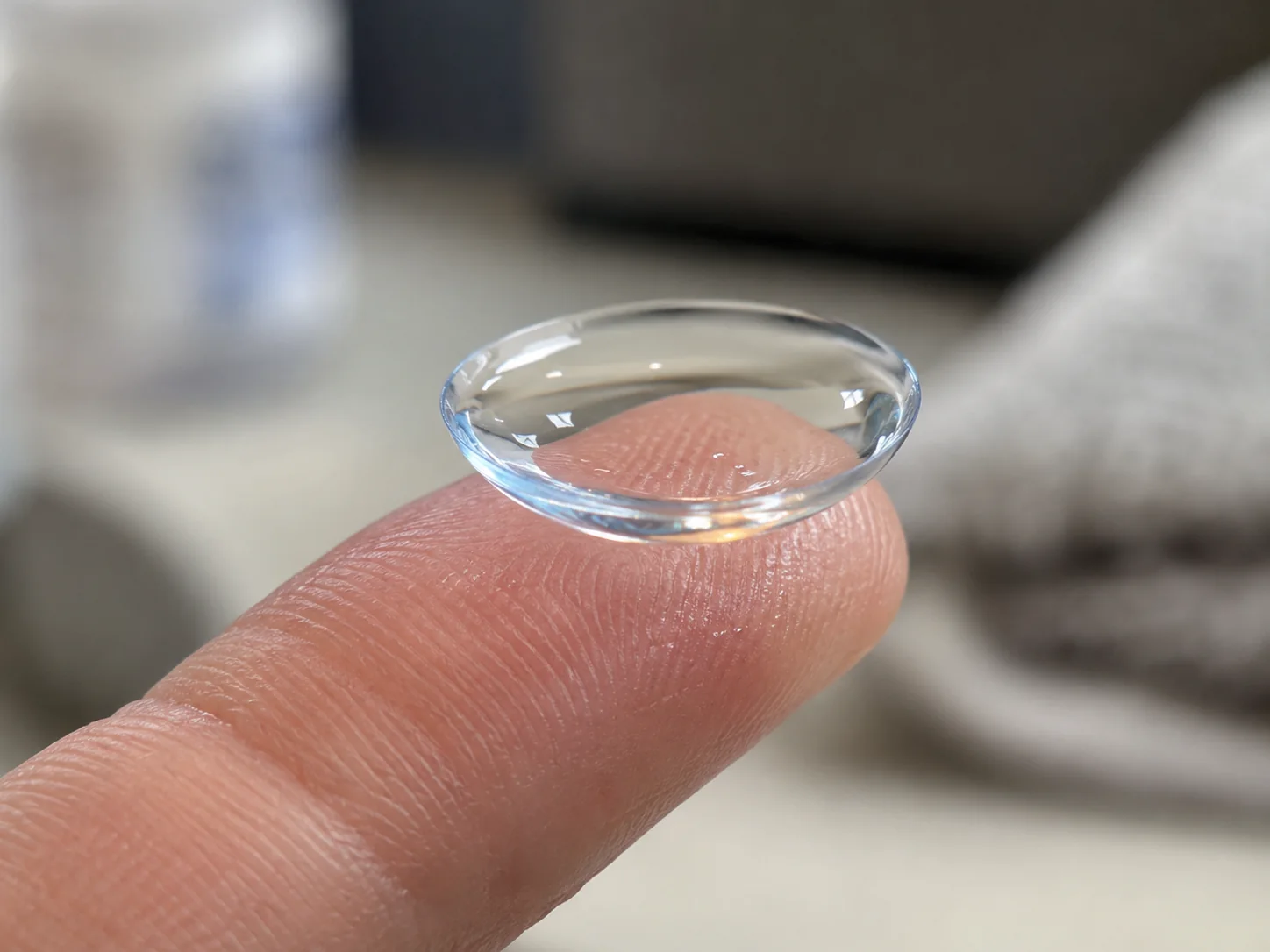
A scleral lens filled with saline, on a fingertip
Led by
Dr. Brandon Cohenmehr
Design
Custom, from scleral profilometry
Worn for
Keratoconus, severe dry eye, exposure
Coverage
Often medically necessary lenses

Custom scleral lenses are fit at Cohenmehr Optometry for

  • Keratoconus and other conditions of the cornea
  • Post-LASIK ectasia and irregular astigmatism
  • Severe or treatment-resistant dry eye disease
  • Exposure from Bell’s palsy and other facial palsies
  • Dry eye from autoimmune disease, such as Sjögren’s
  • Corneal scarring, including after ocular shingles
  • Vision rehabilitation after corneal transplant

Led by

All scleral lens evaluations and fittings are personally overseen by Dr. Brandon Cohenmehr, OD, who authored the case report “An A+ Solution to Triple A Syndrome: Scleral Lenses.”

How they work

A liquid bandage and a new front surface.
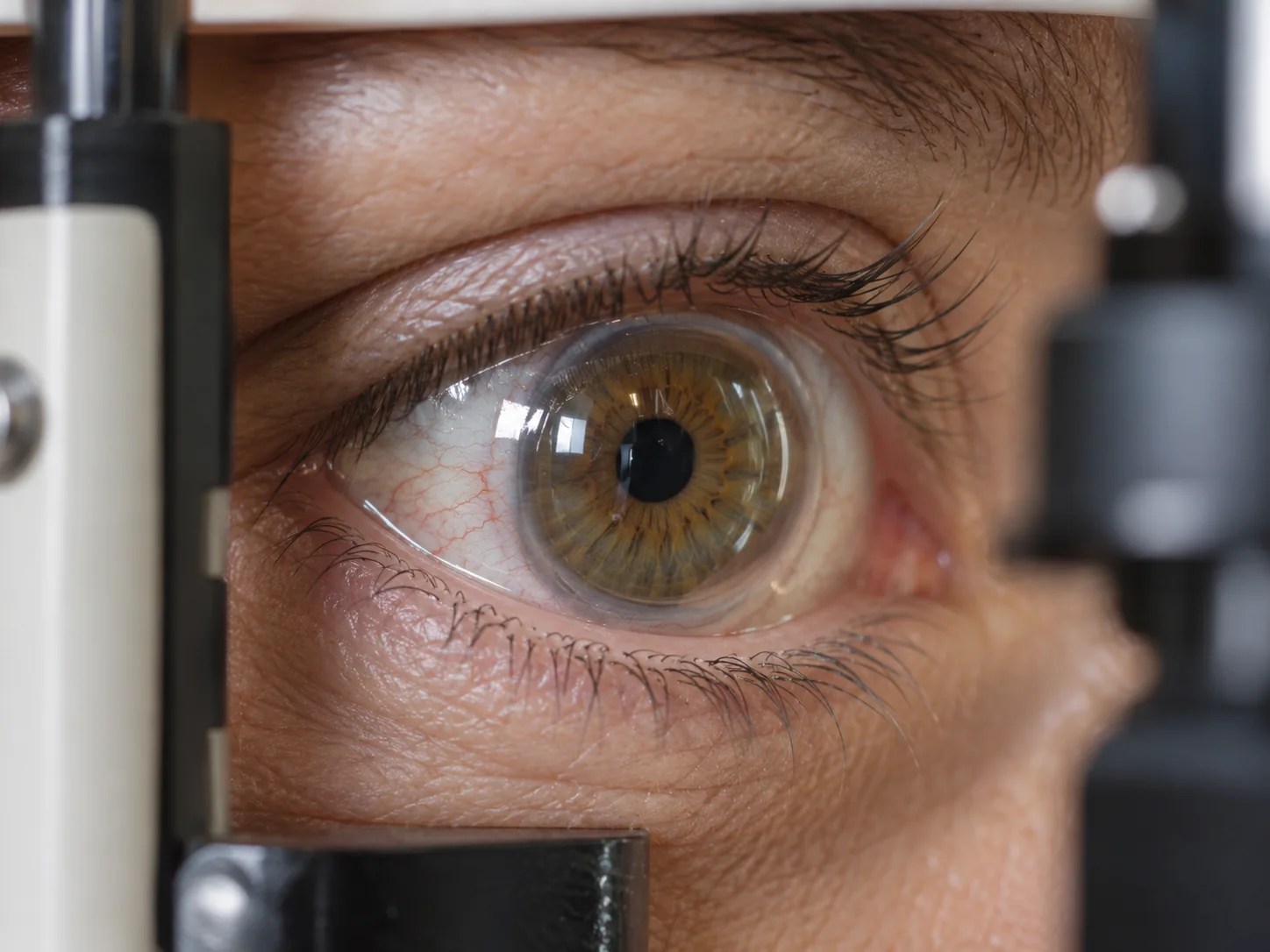
A scleral lens on an eye at the slit lamp

The fluid reservoir acts like a liquid bandage that protects the surface, a continuous reservoir of moisture for severe dry eye, and a smooth optical surface that often improves clarity and reduces glare.

Because the lens lands on the less sensitive white of the eye and never touches the cornea, many patients find scleral lenses more comfortable than smaller rigid lenses, and many who thought they had “tried everything” finally get stable, all-day comfort.

The fitting

Designed from a map of your eye.

  1. 01

    Evaluation and imaging

    Our optometrists in Los Angeles examine the cornea and ocular surface and map the shape of the eye. Fittings use tools such as corneal topography and Eaglet Eye Surface Profiler mapping, which measures the contour of the sclera, not just the central cornea.

  2. 02

    Custom design

    Lenses are designed from your measurements. For asymmetric eyes we use free-form designs such as the Visionary Optics Latitude lens, so the lens lands evenly and stays stable.

  3. 03

    Training

    You learn to fill the lens with preservative-free saline, insert it without bubbles, remove it safely, and clean it properly.

  4. 04

    Follow-up and fine-tuning

    We check clearance over the cornea, the landing of the edge, comfort and vision, and adjust the design until it is right.

Insurance

Often covered when medically necessary.

  • Cohenmehr Optometry is in network with common vision plans including VSP and EyeMed
  • These plans often cover partial or the full amount for scleral lenses
  • Medical insurance may apply for conditions such as keratoconus and severe dry eye
  • Our office can help check your benefits before your visit
Accepted insurance

Common questions

Scleral lenses, answered.

Anything else, call the office at 310-828-2010.

  • It’s larger and rests atop a layer of tissue over the white part of the eye (sclera). A fluid barrier keeps the scleral lens from touching the cornea.

  • Because they rest on the sclera rather than the sensitive cornea, many patients find them surprisingly comfortable once they learn insertion and removal.

  • All scleral lens evaluations and fittings are personally overseen by Dr. Brandon Cohenmehr, OD. He designs scleral lenses for keratoconus, severe dry eye, corneal scarring and eyes after surgery from Eaglet Eye Surface Profiler maps of each eye.

  • We are in network with common vision plans including VSP and EyeMed, which often cover partial or the full amount for scleral lenses. Call 310-828-2010 to verify your details.

  • A well-cared-for pair usually lasts one to two years, sometimes longer, before surface wear or a change in your prescription or eye shape calls for a new design. We check the lenses at every follow-up and replace them when the optics or the fit drift.

  • The fee depends on the design and the number of visits the fitting needs, so we quote it after the evaluation. Many patients use vision benefits (VSP, EyeMed) and, for keratoconus or severe dry eye, medical insurance. Call 310-828-2010 and we will check your coverage before you come in.

  • Fill the bowl with preservative-free saline, bring your face down over the lens on a plunger or your fingertips, and place it straight on without tipping so no bubble gets trapped. Removal uses a small suction plunger at the lens edge. We teach it in the office and the step-by-step guide is here: How to insert and remove scleral lenses.

  • Most patients wear them through a full day. If the fluid reservoir fogs after many hours, removing, rinsing and refilling the lens restores clear vision in a minute. Your wearing schedule is set at the fitting and adjusted at follow-ups.

Articles

By Dr. Brandon Cohenmehr, OD

What else scleral lenses solve

One platform, a dozen rescues, each with its own page.

Scleral lenses near you

12222 Wilshire Blvd, on the Santa Monica border.

West Los AngelesBrentwoodSanta MonicaWestwoodBeverly HillsCulver CityPacific PalisadesWest HollywoodMarina del ReyNewport Beach

Also consider

Next step

Find out what your eyes are capable of.

A diagnostic lens trial shows, in one visit, how much vision a smooth optical surface can give you. Book a scleral lens consultation in our West Los Angeles office.

Schedule a Scleral Lens Consultation Or call 310-828-2010