
Same-day urgent eye care
Mon 10–5 · Tue–Fri 8–5 310-828-2010 Book online Intake form
Cohenmehr Optometry — Vision · Dry Eye · Keratoconus Book appointment
Cohenmehr OptometryVision · Dry Eye · Keratoconus Center
Our Practice
Meet the Doctors TestimonialsShare FeedbackTraveling to See UsAreas We Serve Hours & Directions
Eye Care

Routine care

Comprehensive Eye CareContact Lens ExamsComputer Vision SyndromeGlasses and Contact LensesNeurolensAdvanced Diagnostics

Medical eye care

Glaucoma & Ocular DiseaseDiabetic Eye ExamsMacular Degeneration CareLow VisionStye & Chalazion TreatmentUrgent Care

Children’s vision

Pediatric Eye ExamsMyopia ManagementAtropineOrtho-KEssilor Stellest LensesVision Therapy

Surgery co-management

Surgical Co-ManagementLASIKPRKSMILEEVO ICLRefractive Lens ExchangeCataract SurgeryCorneal TransplantPterygium Surgery
Dry Eye
The Dry Eye CenterOptiLIFTIPL (Intense Pulsed Light)Punctal PlugsBlephExAmniotic MembranesPrescription DropsAutologous Serum DropsMeibomian Gland ProbingIPL for Rosacea

Understand

Types of Dry EyeThe Tear FilmDemodex BlepharitisDry Eye After LASIKMenopause & Dry EyeSjögren’s & Dry EyeContact Lens Discomfort

Cosmetics

Upneeq® · Buy OnlineUpneeq Intake Form
Myopia Control
The Myopia ProgramMyopia Estimator — free toolOrtho-K — $1,500 totalAtropineStellest LensesMultifocal ContactsMiSight 1 Day

For parents

Choosing a TreatmentWhy Myopia MattersOutdoor Time & ScreensFirst Ortho-K NightMeasuring Progression
Keratoconus
The Keratoconus CenterScleral Contact LensesSpecialty Contact LensesScleral Lens UsesEaglet Surface ProfilerScleral Lens Care

Go deeper

Eye Rubbing & KeratoconusKeratoconus in TeensCorneal HydropsTransplant Co-Management
Scleral Lenses

The lenses

Scleral Contact LensesEvery Use, at a GlanceEaglet Surface ProfilerScleral vs RGP vs HybridSpecialty Contact LensesSpecialty Soft & ProstheticLens Care & HandlingTraveling to See Us

Corneal conditions

KeratoconusPost-LASIK EctasiaPellucid Marginal DegenerationCorneal ScarringAfter Corneal TransplantAfter Radial Keratotomy (RK)Post-Surgical ComplicationsOcular Shingles Scarring

Surface disease & more

Severe Dry EyeSjögren’s SyndromeStevens-Johnson SyndromeGraft-vs-Host DiseaseBell’s Palsy & ExposureRare Tear DeficiencyPresbyopia & High RxSports & Active Wear
Library
Start With a SymptomEye Conditions A–ZArticlesFree ToolsFull Site Index

Patients

Patient Intake FormCommon QuestionsAccepted InsurancePaying for Care (FSA/HSA)
Call the office310-828-2010
Book appointment

Medically reviewed by Dr. Kevin Cohenmehr, OD Last reviewed

PRK Co-Management

The flap-free laser — slower to heal, right for certain corneas.

PRK reshapes the cornea at its surface instead of under a flap. Surgeons often favor it for thinner corneas, active lifestyles where a flap is a liability, and certain surface profiles. We handle the before and after; the surgeon handles the laser.
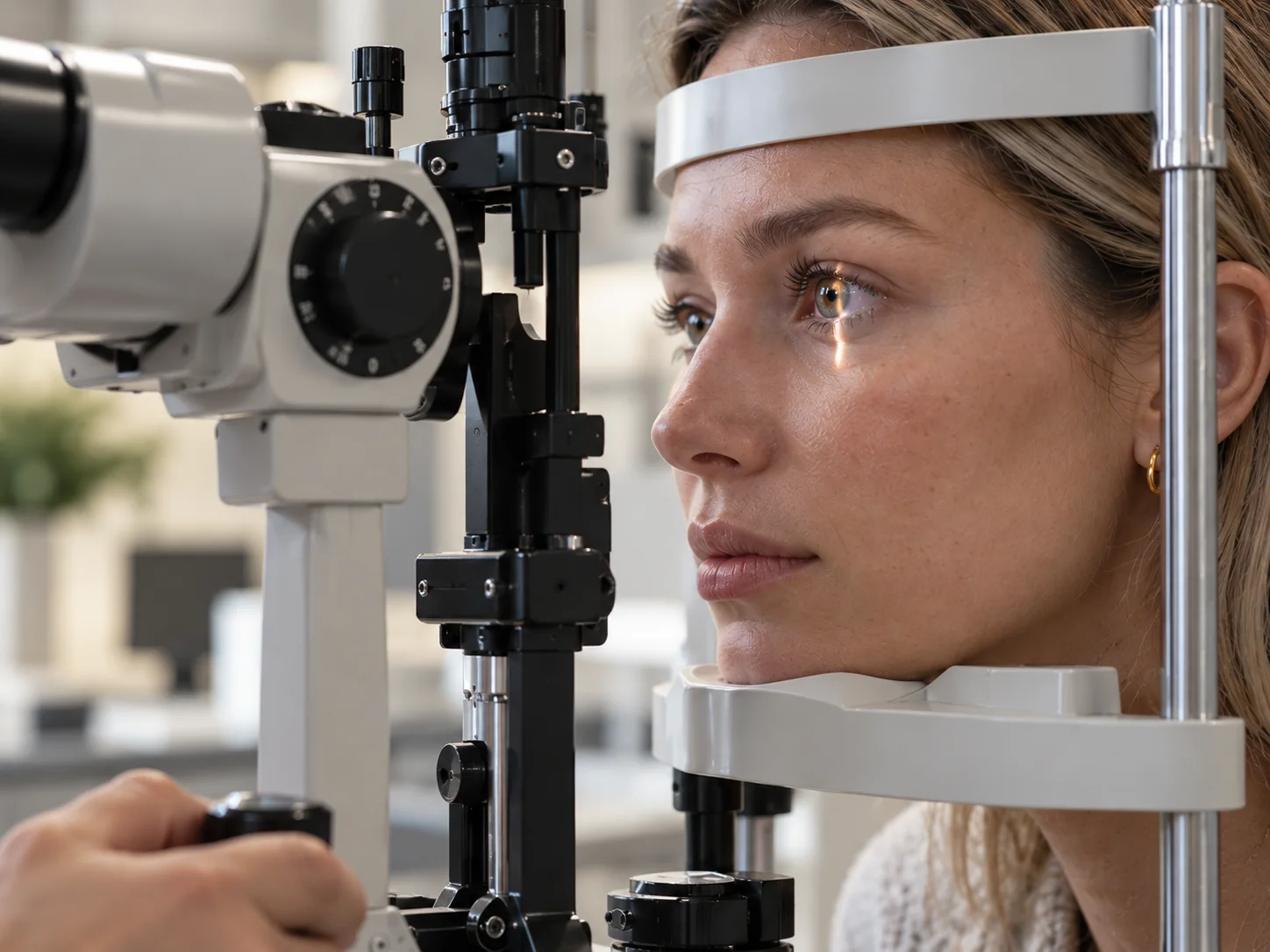
A calm post-op check at the slit lamp
Instead of a flap
Surface reshaping
Often for
Thinner corneas
Healing
Days of surface recovery, then weeks of polish
Our role
Work-up before, checks after

The arc

Before, the day, and the healing weeks.

  1. 01

    Candidacy work-up

    Topography and tomography rule out shape problems like early keratoconus; tear-film prep starts before surgery so the surface heals on schedule.

  2. 02

    Surgery day

    Performed by the surgeon. A bandage contact lens protects the surface for the first days.

  3. 03

    The surface week

    We see you through the scratchy phase: bandage lens checks, drop schedules, comfort coaching. If it gets worse instead of better, call your surgeon, or call us during office hours. Sudden vision loss: the surgeon right away, or 911 if you can’t reach them.

  4. 04

    Weeks two to twelve

    Vision sharpens as the surface polishes. Our optometrists in Los Angeles track clarity, pressure on steroid drops, and any haze — and co-ordinate enhancements if ever needed.

Why co-manage here

One plan, two offices, zero gaps.

  • Candidacy work-up and corneal maps before anyone operates
  • Records and measurements shared directly with the surgical team
  • Your post-op checks minutes from home, with same-day access if anything feels wrong
  • The full co-management picture
Book a candidacy work-up

Common questions

PRK, answered.

Anything else, call the office at 310-828-2010.

  • Corneal thickness, surface irregularity, dry eye risk or lifestyle can all tip the choice. The work-up data decides, and we send that data to the surgeon.

  • PRK trades a slower first week for flap-free structure; most useful vision returns within days and keeps sharpening for weeks.

  • Dryness is common early after any laser correction. We prepare the tear film beforehand and treat it through the healing arc.

  • PRK stands for photorefractive keratectomy, a laser surgery that reshapes the cornea, the clear front surface of the eye, to correct refractive errors such as nearsightedness and astigmatism. After numbing drops, the surgeon removes the thin outer layer of cells (the epithelium) by hand, then the laser reshapes the cornea by removing a small amount of tissue. No flap is cut, and the surgeon may place a bandage contact lens for 3 to 5 days to help the surface heal. Overall, the surgery may last about 10 minutes.

  • PRK and LASIK carry different risks, mostly because PRK makes no flap. With no flap, there is nothing to dislocate if the eye is struck later, and PRK may be preferable for normal but thin corneas. People who play contact sports are still probably not good candidates for vision-correcting surgery, PRK included, the FDA says. PRK’s drawbacks are mild to moderate pain for up to 3 days, a longer wait than with LASIK for vision to improve and stabilize, and sometimes steroid drops that need monitoring; corneal haze (clouding of the cornea) can also occur after PRK.

PRK near you

12222 Wilshire Blvd, on the Santa Monica border.

West Los AngelesBrentwoodSanta MonicaWestwoodBeverly HillsCulver CityPacific PalisadesWest HollywoodMarina del ReyNewport Beach

Also consider

Next step

Thinking surface instead of flap?

Start with the maps: the work-up tells us which laser route your corneas support.

Book a work-up Or call 310-828-2010