
Same-day urgent eye care
Mon 10–5 · Tue–Fri 8–5 310-828-2010 Book online Intake form
Cohenmehr Optometry — Vision · Dry Eye · Keratoconus Book appointment
Cohenmehr OptometryVision · Dry Eye · Keratoconus Center
Our Practice
Meet the Doctors TestimonialsShare FeedbackTraveling to See UsAreas We Serve Hours & Directions
Eye Care

Routine care

Comprehensive Eye CareContact Lens ExamsComputer Vision SyndromeGlasses and Contact LensesNeurolensAdvanced Diagnostics

Medical eye care

Glaucoma & Ocular DiseaseDiabetic Eye ExamsMacular Degeneration CareLow VisionStye & Chalazion TreatmentUrgent Care

Children’s vision

Pediatric Eye ExamsMyopia ManagementAtropineOrtho-KEssilor Stellest LensesVision Therapy

Surgery co-management

Surgical Co-ManagementLASIKPRKSMILEEVO ICLRefractive Lens ExchangeCataract SurgeryCorneal TransplantPterygium Surgery
Dry Eye
The Dry Eye CenterOptiLIFTIPL (Intense Pulsed Light)Punctal PlugsBlephExAmniotic MembranesPrescription DropsAutologous Serum DropsMeibomian Gland ProbingIPL for Rosacea

Understand

Types of Dry EyeThe Tear FilmDemodex BlepharitisDry Eye After LASIKMenopause & Dry EyeSjögren’s & Dry EyeContact Lens Discomfort

Cosmetics

Upneeq® · Buy OnlineUpneeq Intake Form
Myopia Control
The Myopia ProgramMyopia Estimator — free toolOrtho-K — $1,500 totalAtropineStellest LensesMultifocal ContactsMiSight 1 Day

For parents

Choosing a TreatmentWhy Myopia MattersOutdoor Time & ScreensFirst Ortho-K NightMeasuring Progression
Keratoconus
The Keratoconus CenterScleral Contact LensesSpecialty Contact LensesScleral Lens UsesEaglet Surface ProfilerScleral Lens Care

Go deeper

Eye Rubbing & KeratoconusKeratoconus in TeensCorneal HydropsTransplant Co-Management
Scleral Lenses

The lenses

Scleral Contact LensesEvery Use, at a GlanceEaglet Surface ProfilerScleral vs RGP vs HybridSpecialty Contact LensesSpecialty Soft & ProstheticLens Care & HandlingTraveling to See Us

Corneal conditions

KeratoconusPost-LASIK EctasiaPellucid Marginal DegenerationCorneal ScarringAfter Corneal TransplantAfter Radial Keratotomy (RK)Post-Surgical ComplicationsOcular Shingles Scarring

Surface disease & more

Severe Dry EyeSjögren’s SyndromeStevens-Johnson SyndromeGraft-vs-Host DiseaseBell’s Palsy & ExposureRare Tear DeficiencyPresbyopia & High RxSports & Active Wear
Library
Start With a SymptomEye Conditions A–ZArticlesFree ToolsFull Site Index

Patients

Patient Intake FormCommon QuestionsAccepted InsurancePaying for Care (FSA/HSA)
Call the office310-828-2010
Book appointment

Medically reviewed by Dr. Bijan Cohenmehr, OD Last reviewed

Bell’s Palsy and the Eye

The eye that can’t blink needs a bodyguard.

Bell’s palsy and other facial nerve problems can weaken the eyelid on one side: the blink loses force, the lid doesn’t seal in sleep, and air dries the cornea hour after hour. Protecting that eye — immediately and well — is what prevents lasting damage.
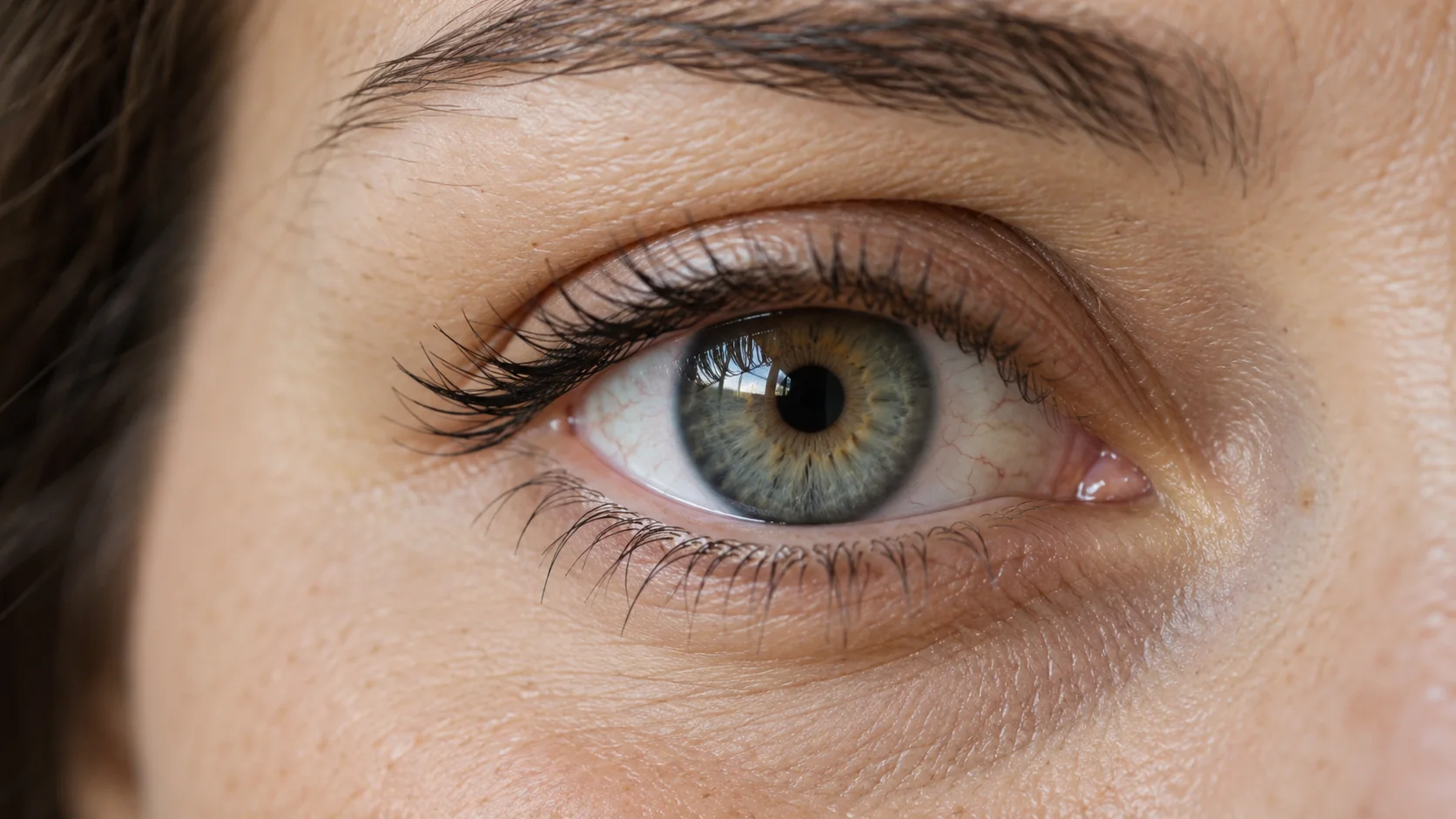
One eye held gently closed
The risk
Exposure keratopathy, corneal damage
Early care
Lubricants, taping, moisture
Definitive
Scleral lenses as a fluid shield
Also
Custom lenses for lasting palsies

Protect the eye now if

  • One lid won’t close fully, even gently
  • Morning pain, burning or blur in the affected eye
  • Redness concentrated in the lower part of the eye
  • Tearing that runs down the cheek but doesn’t relieve dryness

Why urgency matters

The cornea breaks down fast when exposed. Early protection — ointment, moisture goggles, taping at night — buys time; a scleral lens can then shield the eye all day with a bath of saline.

The plan

From first week to long term.

  • Immediately: thick lubricants by day, ointment and lid taping or moisture chambers at night
  • Ongoing: monitor the cornea for erosion and infection while the nerve recovers
  • Persistent palsy: custom scleral lenses; Dr. Brandon Cohenmehr is particularly passionate about treating ocular symptoms of Bell’s palsy and facial palsies with custom-designed specialty lenses
  • Co-management with your neurologist or surgeon when lid procedures are considered

Exposure is urgent

Pain or vision change in the exposed eye? Same day.

  • Corneal breakdown from exposure can escalate quickly
  • Same-day appointments are available
  • We coordinate with your other physicians
Call 310-828-2010

Common questions

Bell’s palsy, answered.

Anything else, call the office at 310-828-2010.

  • Many facial palsies recover over weeks to months. The eye care mission is keeping the cornea healthy until the lid works again.

  • It vaults the cornea and holds sterile saline against it all day — a liquid bandage that replaces what the missing blink can’t do.

  • No — any facial nerve weakness, surgical or traumatic, creates the same exposure problem and the same solutions.

  • Not always: difficulty closing one eyelid is a symptom of Bell's palsy. The condition affects the facial nerve, which runs the muscles of facial expression, eyelid included, so the lid may close with less force and fail to seal. That incomplete closure, called lagophthalmos, leaves the eye dry and open to debris and injury, especially during sleep. Start protecting the eye right away, and call for a same-day visit, or go to an emergency room when we're closed, if it becomes painful or your vision changes.

  • Put a lubricating gel or ointment in the eye at bedtime, then tape the lid closed or wear moisture goggles that hold humidity around the eye; by day, use artificial tears often. When a lid cannot close, lubrication and protection keep the eye moist and shielded from debris and injury, especially during sleep. If you wake with pain, new redness or blurred vision in that eye, call for a same-day visit (an emergency room when we're closed); an exposed cornea can break down quickly.

Articles

By Dr. Brandon Cohenmehr, OD

Also consider

Next step

Protect the exposed eye now.

Call our eye clinic in Los Angeles; early protection is the whole game in facial palsy.

Call 310-828-2010 Or book online