
Same-day urgent eye care
Mon 10–5 · Tue–Fri 8–5 310-828-2010 Book online Intake form
Cohenmehr Optometry — Vision · Dry Eye · Keratoconus Book appointment
Cohenmehr OptometryVision · Dry Eye · Keratoconus Center
Our Practice
Meet the Doctors TestimonialsShare FeedbackTraveling to See UsAreas We Serve Hours & Directions
Eye Care

Routine care

Comprehensive Eye CareContact Lens ExamsComputer Vision SyndromeGlasses and Contact LensesNeurolensAdvanced Diagnostics

Medical eye care

Glaucoma & Ocular DiseaseDiabetic Eye ExamsMacular Degeneration CareLow VisionStye & Chalazion TreatmentUrgent Care

Children’s vision

Pediatric Eye ExamsMyopia ManagementAtropineOrtho-KEssilor Stellest LensesVision Therapy

Surgery co-management

Surgical Co-ManagementLASIKPRKSMILEEVO ICLRefractive Lens ExchangeCataract SurgeryCorneal TransplantPterygium Surgery
Dry Eye
The Dry Eye CenterOptiLIFTIPL (Intense Pulsed Light)Punctal PlugsBlephExAmniotic MembranesPrescription DropsAutologous Serum DropsMeibomian Gland ProbingIPL for Rosacea

Understand

Types of Dry EyeThe Tear FilmDemodex BlepharitisDry Eye After LASIKMenopause & Dry EyeSjögren’s & Dry EyeContact Lens Discomfort

Cosmetics

Upneeq® · Buy OnlineUpneeq Intake Form
Myopia Control
The Myopia ProgramMyopia Estimator — free toolOrtho-K — $1,500 totalAtropineStellest LensesMultifocal ContactsMiSight 1 Day

For parents

Choosing a TreatmentWhy Myopia MattersOutdoor Time & ScreensFirst Ortho-K NightMeasuring Progression
Keratoconus
The Keratoconus CenterScleral Contact LensesSpecialty Contact LensesScleral Lens UsesEaglet Surface ProfilerScleral Lens Care

Go deeper

Eye Rubbing & KeratoconusKeratoconus in TeensCorneal HydropsTransplant Co-Management
Scleral Lenses

The lenses

Scleral Contact LensesEvery Use, at a GlanceEaglet Surface ProfilerScleral vs RGP vs HybridSpecialty Contact LensesSpecialty Soft & ProstheticLens Care & HandlingTraveling to See Us

Corneal conditions

KeratoconusPost-LASIK EctasiaPellucid Marginal DegenerationCorneal ScarringAfter Corneal TransplantAfter Radial Keratotomy (RK)Post-Surgical ComplicationsOcular Shingles Scarring

Surface disease & more

Severe Dry EyeSjögren’s SyndromeStevens-Johnson SyndromeGraft-vs-Host DiseaseBell’s Palsy & ExposureRare Tear DeficiencyPresbyopia & High RxSports & Active Wear
Library
Start With a SymptomEye Conditions A–ZArticlesFree ToolsFull Site Index

Patients

Patient Intake FormCommon QuestionsAccepted InsurancePaying for Care (FSA/HSA)
Call the office310-828-2010
Book appointment

Medically reviewed by Dr. Brandon Cohenmehr, OD Last reviewed

Aphakia & Specialty Lenses

An eye without its lens needs its optics rebuilt on the outside.

Aphakia means the eye’s natural crystalline lens is absent — removed with a childhood cataract, lost to trauma, or taken out in surgery that couldn’t place an implant. The eye loses a huge share of its focusing power at once. Glasses at these strengths are thick, heavy and distorting; the cleaner answer is usually a specialty contact lens that puts the missing power right at the eye.
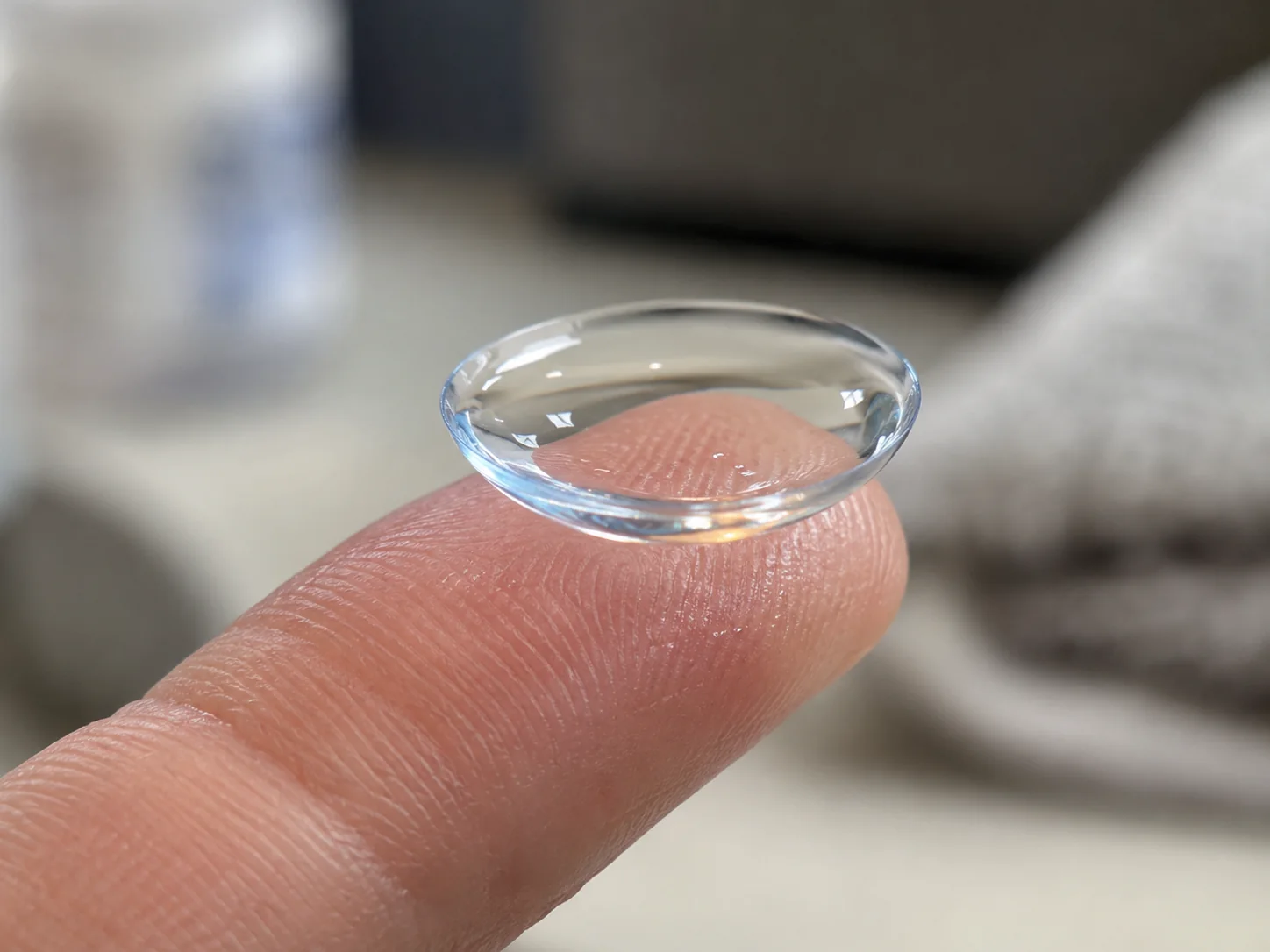
A high-plus specialty lens on a fingertip
The condition
The eye’s natural lens is absent
The need
Very high plus power, precisely placed
The tools
Custom soft, RGP and scleral designs
In children
Urgent — vision development depends on it

The optics

Why contact lenses beat aphakic glasses.
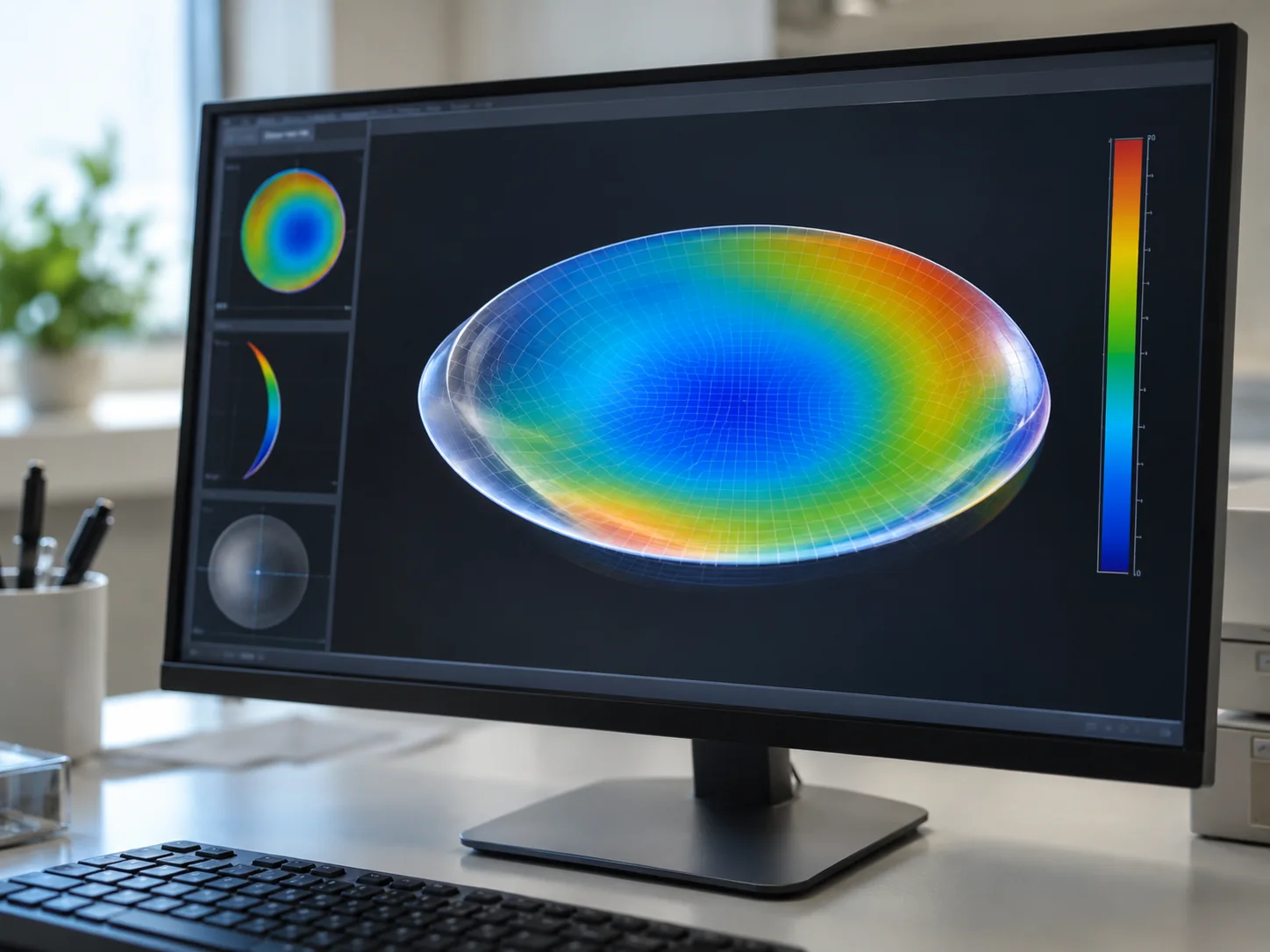
Comparing thick spectacles to a contact lens

Spectacles strong enough for aphakia magnify the world, shrink the field of view, and swim at the edges — and when only one eye is aphakic, the two eyes’ images differ too much for the brain to fuse. A contact lens corrects at the eye itself, so magnification stays modest and both eyes can work together.

Custom soft lenses

High-plus soft designs made to order, often the starting point for infants and for adults who want simplicity.

Rigid gas permeable (RGP)

Crisp optics in a small lens; long the workhorse of pediatric aphakia.

Scleral lenses

When the surface is also compromised by trauma scarring, dryness or irregularity, a scleral carries the high-plus optics on a stable, fluid-cushioned platform.

The fitting

Powers this high leave no room for guesswork: vertex-exact refraction, careful lens-eye alignment, and designs refined on the eye.

The plan

Fitted, trained, rechecked — at every age.

  1. 01

    Coordinate with the surgeon

    Timing after surgery, healing status and implant plans all shape the lens strategy. Records move between offices so nothing stalls.

  2. 02

    Design for the eye’s stage

    Infant eyes change fast; powers and fits are updated on a schedule. Adult aphakic eyes get the same precision with fewer revisions.

  3. 03

    Train the hands involved

    Parents learn insertion, removal and care for small patients; adults learn their own routine. It becomes ordinary faster than families expect.

  4. 04

    Protect the progress

    In children, patching and amblyopia care run alongside the lens; in everyone, follow-ups confirm the cornea stays healthy under high-plus wear.

This page is for you if

  • Your child had congenital cataract surgery without an implant
  • Trauma or complicated surgery left an eye without its lens
  • Aphakic glasses feel thick, heavy and distorting
  • An implant isn’t possible, or not yet
  • You were told the prescription is “too high for contacts”

Why children can’t wait

A young brain learns to see only from the images it receives. An aphakic eye left blurry drifts toward amblyopia, so lens wear, parent training and close follow-up start promptly after surgery, coordinated with the surgical team.

The point

Aphakia is demanding. The fitting shouldn’t be improvised.

Book a specialty lens evaluation

Common questions

Aphakia, answered.

Anything else, call the office at 310-828-2010.

  • Most often cataract surgery performed without an implant — common in infants — plus trauma and complicated surgeries where an implant wasn’t safe to place.

  • Aphakic-strength spectacles magnify and distort, and when one eye is aphakic the image-size difference between eyes blocks fusion. A contact lens corrects at the eye and avoids most of both problems.

  • Yes — pediatric aphakia is one of the oldest uses of specialty lenses. Parents are trained to handle insertion, removal and care, and fits are updated as the eye grows.

  • When high-plus power has to ride on a difficult surface — scarring after trauma, severe dryness, or irregularity — the scleral’s fluid reservoir and stability carry the optics comfortably.

  • Often, yes — surgeons frequently place an implant later. Until then the lens does the seeing, and we keep the surgical team supplied with current measurements.

Aphakia near you

12222 Wilshire Blvd, on the Santa Monica border.

West Los AngelesBrentwoodSanta MonicaWestwoodBeverly HillsCulver CityPacific PalisadesWest HollywoodMarina del ReyNewport Beach

Also consider

Next step

An aphakic eye in the family?

Bring the surgical records to our eye doctors in Los Angeles; we’ll map the eye, design the optics, and train the hands that will do the daily work — in coordination with your surgeon.

Book an Evaluation Or call 310-828-2010