Same-day urgent eye care
Mon 10–5 · Tue–Fri 8–5 310-828-2010 Book online Intake form
Cohenmehr Optometry — Vision · Dry Eye · Keratoconus Book appointment
Cohenmehr OptometryVision · Dry Eye · Keratoconus Center
Our Practice
Meet the Doctors TestimonialsShare FeedbackTraveling to See UsAreas We Serve Hours & Directions
Eye Care

Routine care

Comprehensive Eye CareContact Lens ExamsComputer Vision SyndromeGlasses and Contact LensesNeurolensAdvanced Diagnostics

Medical eye care

Glaucoma & Ocular DiseaseDiabetic Eye ExamsMacular Degeneration CareLow VisionStye & Chalazion TreatmentUrgent Care

Children’s vision

Pediatric Eye ExamsMyopia ManagementAtropineOrtho-KEssilor Stellest LensesVision Therapy

Surgery co-management

Surgical Co-ManagementLASIKPRKSMILEEVO ICLRefractive Lens ExchangeCataract SurgeryCorneal TransplantPterygium Surgery
Dry Eye
The Dry Eye CenterOptiLIFTIPL (Intense Pulsed Light)Punctal PlugsBlephExAmniotic MembranesPrescription DropsAutologous Serum DropsMeibomian Gland ProbingIPL for Rosacea

Understand

Types of Dry EyeThe Tear FilmDemodex BlepharitisDry Eye After LASIKMenopause & Dry EyeSjögren’s & Dry EyeContact Lens Discomfort

Cosmetics

Upneeq® · Buy OnlineUpneeq Intake Form
Myopia Control
The Myopia ProgramMyopia Estimator — free toolOrtho-K — $1,500 totalAtropineStellest LensesMultifocal ContactsMiSight 1 Day

For parents

Choosing a TreatmentWhy Myopia MattersOutdoor Time & ScreensFirst Ortho-K NightMeasuring Progression
Keratoconus
The Keratoconus CenterScleral Contact LensesSpecialty Contact LensesScleral Lens UsesEaglet Surface ProfilerScleral Lens Care

Go deeper

Eye Rubbing & KeratoconusKeratoconus in TeensCorneal HydropsTransplant Co-Management
Scleral Lenses

The lenses

Scleral Contact LensesEvery Use, at a GlanceEaglet Surface ProfilerScleral vs RGP vs HybridSpecialty Contact LensesSpecialty Soft & ProstheticLens Care & HandlingTraveling to See Us

Corneal conditions

KeratoconusPost-LASIK EctasiaPellucid Marginal DegenerationCorneal ScarringAfter Corneal TransplantAfter Radial Keratotomy (RK)Post-Surgical ComplicationsOcular Shingles Scarring

Surface disease & more

Severe Dry EyeSjögren’s SyndromeStevens-Johnson SyndromeGraft-vs-Host DiseaseBell’s Palsy & ExposureRare Tear DeficiencyPresbyopia & High RxSports & Active Wear
Library
Start With a SymptomEye Conditions A–ZArticlesFree ToolsFull Site Index

Patients

Patient Intake FormCommon QuestionsAccepted InsurancePaying for Care (FSA/HSA)
Call the office310-828-2010
Book appointment

Medically reviewed by Dr. Kevin Cohenmehr, OD Last reviewed

Diabetic Eye Exams in West Los Angeles

Diabetes can change the retina before it changes your vision.

Diabetic retinopathy develops silently: elevated blood sugar damages the small vessels of the retina, often with no symptoms until later stages. An annual dilated exam finds those changes early, when they are most treatable.

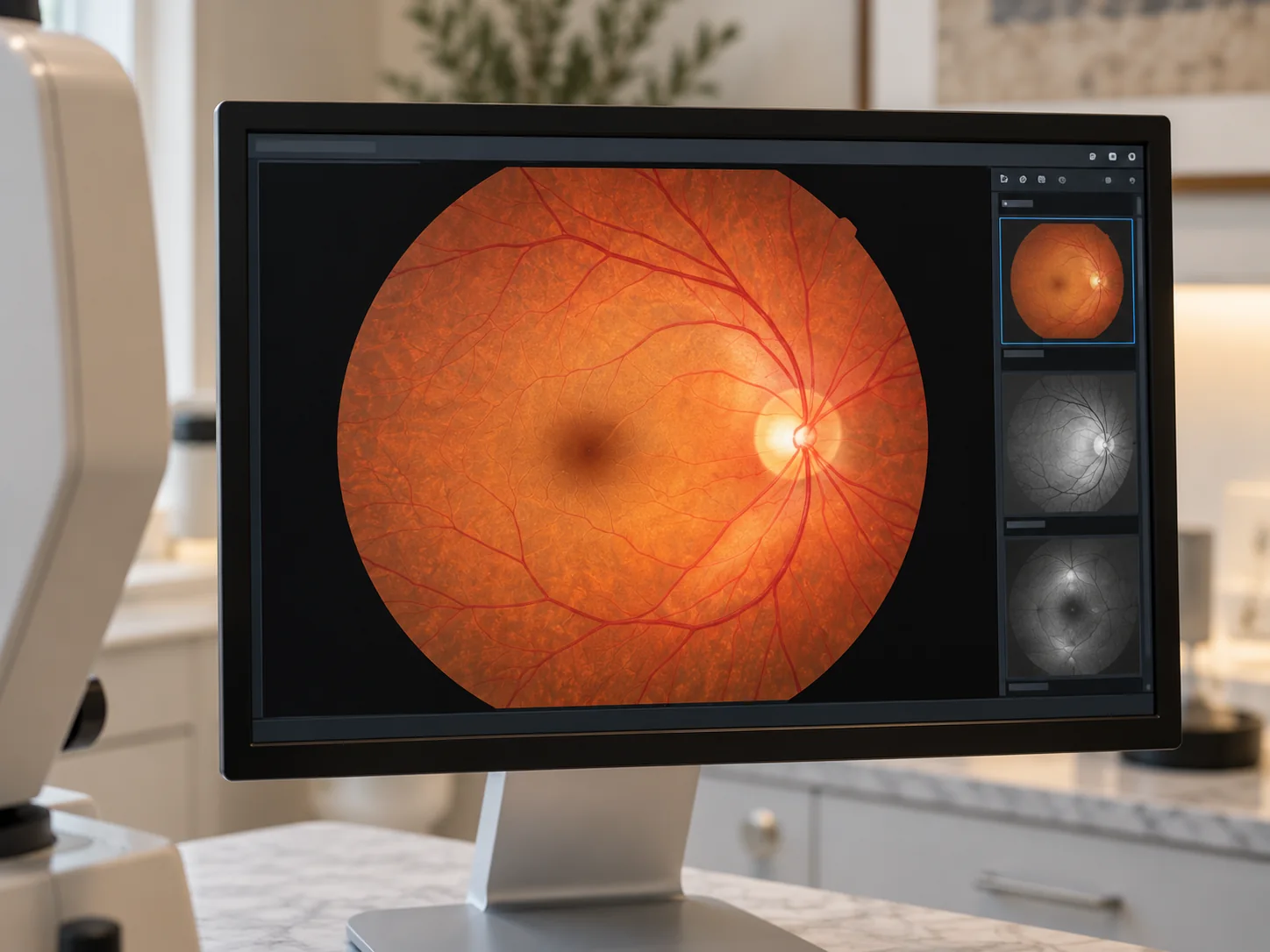
A retinal photograph being reviewed
Led by
Dr. Kevin Cohenmehr
How often
Yearly, or as your doctor advises
Imaging
OCT and retinal photography
Reports
Sent to your physician

The exam

What a diabetic eye exam includes.

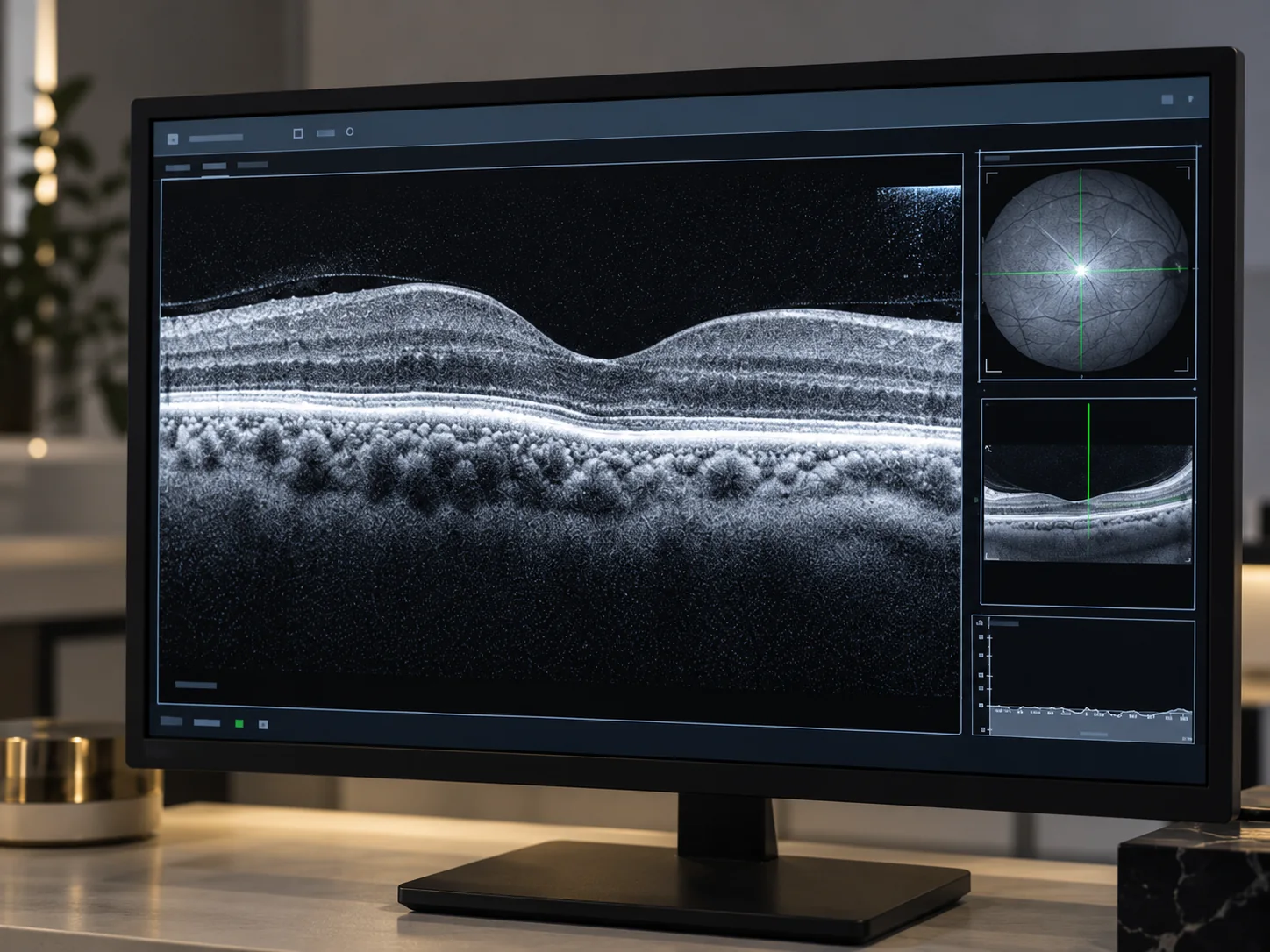
OCT imaging of the macula
  • Dilated retinal examination
  • High-resolution retinal photography for baseline and progression tracking
  • OCT imaging to detect swelling, thinning, or structural changes such as macular edema
  • Eye pressure testing

Our Los Angeles eye doctors evaluate and manage diabetic retinopathy and macular edema among other retinal conditions, and when specialized treatment is required, we coordinate referrals with trusted retinal specialists to ensure seamless care. Dr. Kevin Cohenmehr leads diabetic eye care, co-managing with your primary doctor or endocrinologist — including the exam report your physician asks for each year.

Covered care

A medical exam, billed to medical insurance.

  • Diabetic eye exams are medical eye care
  • We can often use medical insurance in lieu of vision insurance for exams
  • Call 310-828-2010 to verify your plan
Accepted insurance

Common questions

Diabetic eye exams, answered.

Anything else, call the office at 310-828-2010.

  • Yearly for most people with diabetes, or more often if changes are found. We follow the interval your doctors set together.

  • Yes. Diabetic retinopathy frequently has no early symptoms, and early diagnosis is critical to preserving vision.

  • Yes. We co-manage diabetic eye care and report findings to your physician.

  • A dilated examination of the retina, retinal photography, and OCT imaging that measures swelling in the macula, plus vision, eye pressure and a check of the lens and front of the eye. Dilation blurs near vision for a few hours, so bring sunglasses and plan on a driver. Your physician receives the report. For what we are looking for, see diabetic retinopathy.

  • Sometimes. Retinal signs such as small hemorrhages or leaking vessels, or a prescription that swings with blood sugar, can be the first clue, and we refer for testing when we see them. The retina is the one place in the body where blood vessels can be viewed directly, which is also why the exam is used to monitor diabetes once it is diagnosed.

  • Yes, as a medical visit. Medicare Part B covers a yearly eye exam for diabetic retinopathy (you pay 20% after the deductible), and commercial medical plans cover it the same way. It is billed to medical insurance, not a vision plan.

Diabetic eye exams near you

12222 Wilshire Blvd, on the Santa Monica border.

West Los AngelesBrentwoodSanta MonicaWestwoodBeverly HillsCulver CityPacific PalisadesWest HollywoodMarina del ReyNewport Beach

Also consider

Next step

Due for your annual diabetic exam?

Book it today. The exam is quick, and your physician gets the report.

Book Today Or call 310-828-2010