Same-day urgent eye care
Mon 10–5 · Tue–Fri 8–5 310-828-2010 Book online Intake form
Cohenmehr Optometry — Vision · Dry Eye · Keratoconus Book appointment
Cohenmehr OptometryVision · Dry Eye · Keratoconus Center
Our Practice
Meet the Doctors TestimonialsShare FeedbackTraveling to See UsAreas We Serve Hours & Directions
Eye Care

Routine care

Comprehensive Eye CareContact Lens ExamsComputer Vision SyndromeGlasses and Contact LensesNeurolensAdvanced Diagnostics

Medical eye care

Glaucoma & Ocular DiseaseDiabetic Eye ExamsMacular Degeneration CareLow VisionStye & Chalazion TreatmentUrgent Care

Children’s vision

Pediatric Eye ExamsMyopia ManagementAtropineOrtho-KEssilor Stellest LensesVision Therapy

Surgery co-management

Surgical Co-ManagementLASIKPRKSMILEEVO ICLRefractive Lens ExchangeCataract SurgeryCorneal TransplantPterygium Surgery
Dry Eye
The Dry Eye CenterOptiLIFTIPL (Intense Pulsed Light)Punctal PlugsBlephExAmniotic MembranesPrescription DropsAutologous Serum DropsMeibomian Gland ProbingIPL for Rosacea

Understand

Types of Dry EyeThe Tear FilmDemodex BlepharitisDry Eye After LASIKMenopause & Dry EyeSjögren’s & Dry EyeContact Lens Discomfort

Cosmetics

Upneeq® · Buy OnlineUpneeq Intake Form
Myopia Control
The Myopia ProgramMyopia Estimator — free toolOrtho-K — $1,500 totalAtropineStellest LensesMultifocal ContactsMiSight 1 Day

For parents

Choosing a TreatmentWhy Myopia MattersOutdoor Time & ScreensFirst Ortho-K NightMeasuring Progression
Keratoconus
The Keratoconus CenterScleral Contact LensesSpecialty Contact LensesScleral Lens UsesEaglet Surface ProfilerScleral Lens Care

Go deeper

Eye Rubbing & KeratoconusKeratoconus in TeensCorneal HydropsTransplant Co-Management
Scleral Lenses

The lenses

Scleral Contact LensesEvery Use, at a GlanceEaglet Surface ProfilerScleral vs RGP vs HybridSpecialty Contact LensesSpecialty Soft & ProstheticLens Care & HandlingTraveling to See Us

Corneal conditions

KeratoconusPost-LASIK EctasiaPellucid Marginal DegenerationCorneal ScarringAfter Corneal TransplantAfter Radial Keratotomy (RK)Post-Surgical ComplicationsOcular Shingles Scarring

Surface disease & more

Severe Dry EyeSjögren’s SyndromeStevens-Johnson SyndromeGraft-vs-Host DiseaseBell’s Palsy & ExposureRare Tear DeficiencyPresbyopia & High RxSports & Active Wear
Library
Start With a SymptomEye Conditions A–ZArticlesFree ToolsFull Site Index

Patients

Patient Intake FormCommon QuestionsAccepted InsurancePaying for Care (FSA/HSA)
Call the office310-828-2010
Book appointment

Medically reviewed by Dr. Brandon Cohenmehr, OD Last reviewed

Scleral Lenses for Sport

The lens that doesn’t flinch.

Small lenses pop, drift and collect dust at exactly the wrong moments. A scleral lens is the opposite temperament: big, tucked under the lids, locked on a fluid cushion. For athletes with keratoconus or post-surgical corneas it isn’t just stable correction — it’s often the only kind that survives a game.

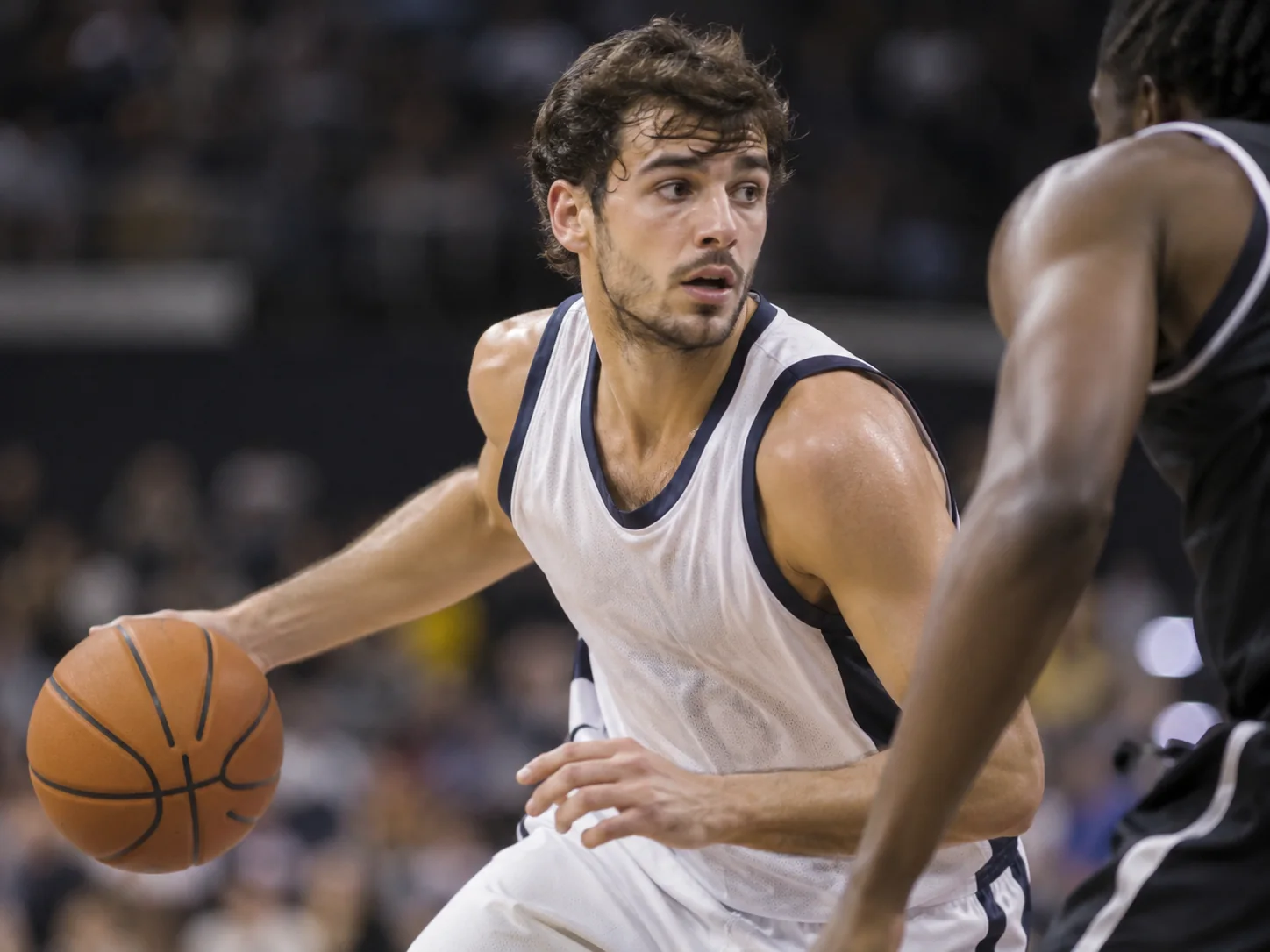
Chalked hands, game light, eyes forward
Stability
Tucked under the lids; no pop-outs
Environment
Dust and wind stay outside the vault
Comfort
Fluid cushion through full games
Bonus
Built-in moisture for long outdoor days

On the field

Why athletes convert.

Contact and ball sports

The lens sits beneath the lid line, so the classic RGP pop-out on a rebound simply doesn’t happen.

Dust, wind and water days

Trail grit and ocean spray land on the lens, not the cornea; the vault keeps the surface sealed and wet.

Long events

The reservoir outlasts a double-header; dryness doesn’t accumulate the way it does under soft lenses.

Teens with keratoconus

Sport is usually their first question and the reason sclerals win the argument. Insert before warm-up, forget until the shower.

Game-day rules

Three habits for athletes.

  • Insert with clean hands before, not in, the gym bag chaos
  • A backup lens and saline live in the kit
  • Any hit to the eye gets checked — lens out, call 310-828-2010
Book a sports fitting

Common questions

Sports, answered.

Anything else, call the office at 310-828-2010.

  • They’re engineered rigid-gas-permeable materials under a cushioning fluid layer — impacts are absorbed remarkably well, and any direct eye hit earns a check regardless of lens.

  • Open water and lenses don’t mix — plan removal, or ask us about prescription goggles over Ortho-K for water athletes.

  • Usually the same lens — the fitting already prizes stability. We fine-tune wear schedules around training.

  • Yes, for higher-risk sports. Contact lenses, sclerals included, do not protect the eye from injury, so wear sports goggles with polycarbonate (very impact-resistant plastic) lenses for sports such as basketball, racquetball, squash and fielding in baseball, and a helmet with an attached polycarbonate face guard or mask for hockey and batting. The right protective eyewear can prevent 9 out of 10 sports-related eye injuries. Wear it over your scleral lenses, and if you do take a hit to the eye, take the lens out and get checked the same day: call 310-828-2010.

  • Only with your surgeon's go-ahead and the right protection. After a transplant, the eye needs guarding: avoid rubbing or pressing on it, wear glasses or a shield to protect it, and ask your surgeon when you can return to normal activities, sports included. Regular glasses and contact lenses do not protect against sports injuries, so play in polycarbonate sports eyewear. A scleral lens can give a grafted eye sharp, stable vision for play; wear the eyewear over it, and get any blow to the eye checked the same day.

Sports near you

12222 Wilshire Blvd, on the Santa Monica border.

West Los AngelesBrentwoodSanta MonicaWestwoodBeverly HillsCulver CityPacific PalisadesWest HollywoodMarina del ReyNewport Beach

Also consider

Next step

Season starting with unstable vision?

A mapped fitting with an eye doctor in Los Angeles before tryouts beats a popped lens at them.

Book a fitting Or call 310-828-2010