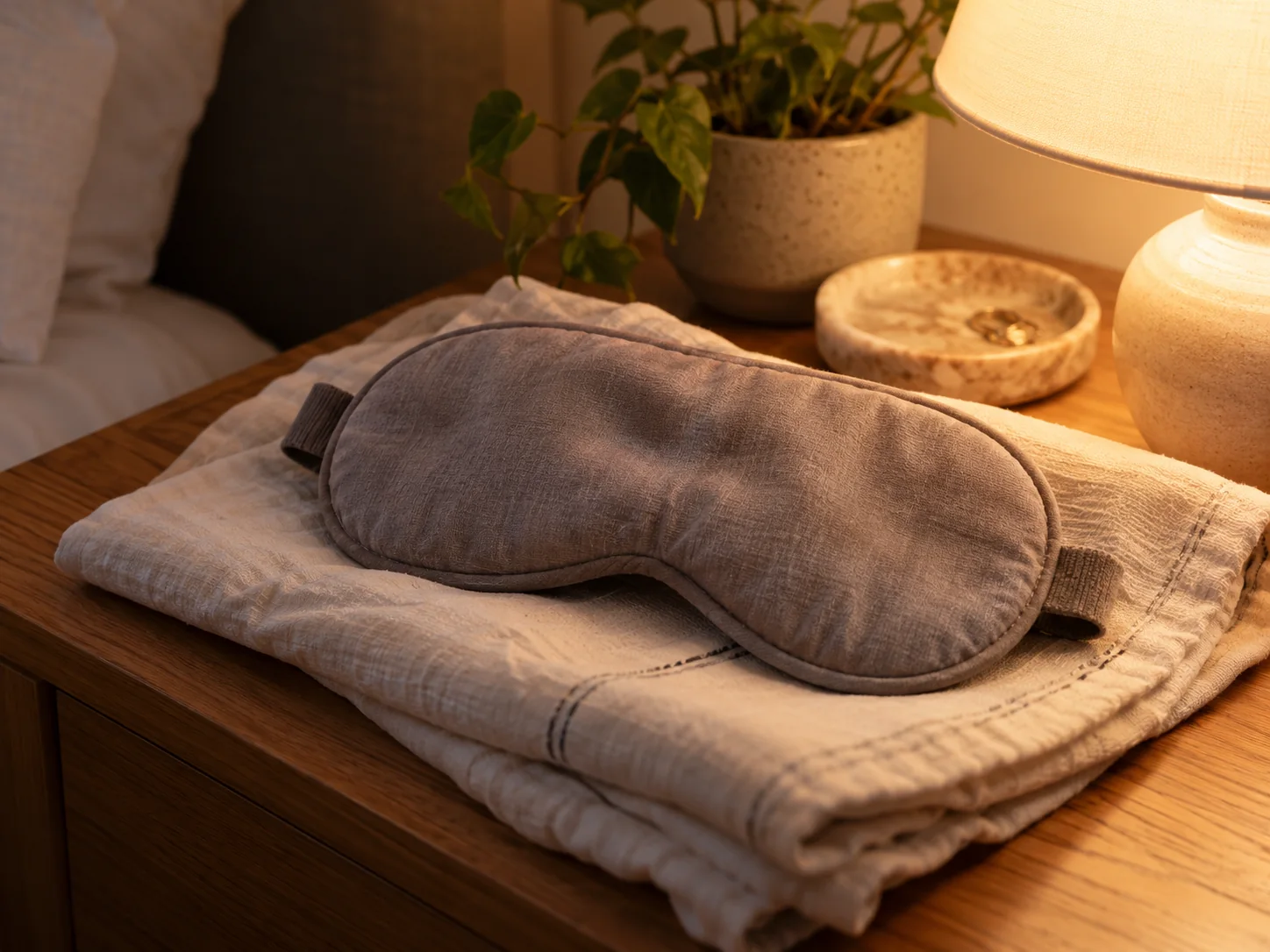
A stye (hordeolum) is a red, tender bump at the edge of the eyelid, usually an oil gland infected by staph bacteria. A chalazion is a firm, usually painless lump from a blocked oil gland deeper in the lid, and it is generally not an infection. Both often clear with warm compresses. When one lingers, we treat it with antibiotic and steroid drops or ointment and a heated eye mask, then IPL with gland expression, and painful or fast-growing lid bumps are seen the same day.
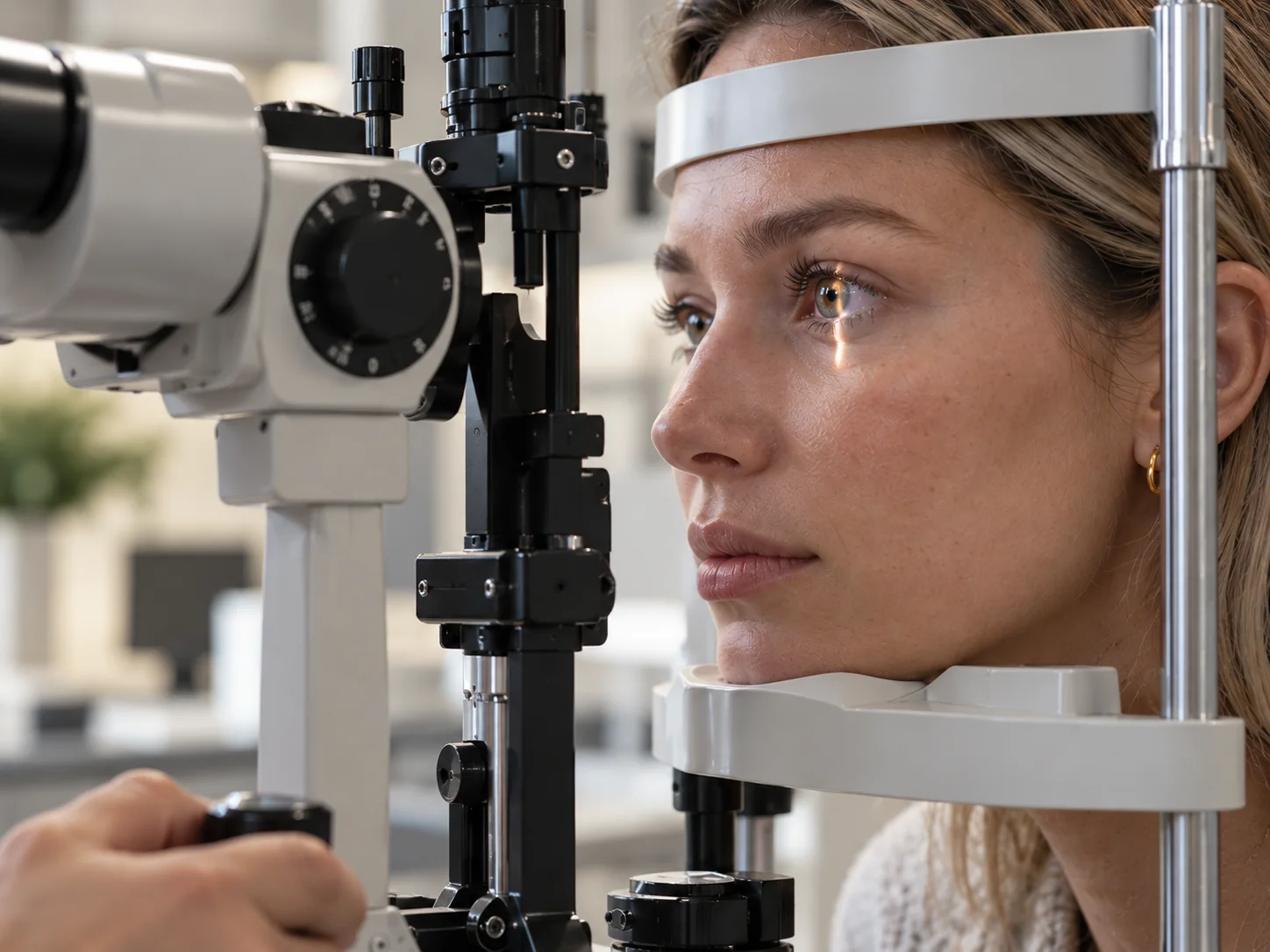
Our optometrists in Los Angeles confirm at the slit lamp whether a bump is a stye, a chalazion or something else that needs different care. Most styes and chalazia respond to consistent warmth and lid care, which soften the blocked oil so the gland can drain.
Warm compresses, long enough to actually soften the oil
Lid hygiene to reduce debris and inflammation along the lash line
Treatment of underlying blepharitis or meibomian gland dysfunction, so new bumps are less likely
Antibiotic and steroid drops or ointment, then IPL with gland expression if it lingers
Frequent styes and chalazia are a common sign of ocular rosacea and gland dysfunction. If bumps keep returning, we look at the glands themselves with the same meibography and IPL program we use for dry eye. Treating the glands at the source, along with the rosacea and Demodex mites that inflame them, is what lowers how often new bumps appear.
When to call now
Painful, red, or growing fast? Be seen today.
A painful or rapidly growing lid bump deserves a same-day look
Redness spreading around the eye can signal infection; with a fever, a bulging eye, pain moving the eye or a vision change, call and come straight in (or see another eye doctor), or go to an emergency room when we’re closed
Urgent eye care is always welcome, with same-day appointments available
A stye is red and tender and sits at the lash line, usually an infected oil gland; a chalazion is a firm, usually painless lump from a blocked oil gland deeper in the lid. A stye tends to come on fast and hurt to touch. We confirm which one you have at the exam, and our post on chalazion vs. stye compares them side by side.
Most do. Many clear up within a few weeks to a month with warm compresses and lid care, though some take longer and they often come back. For one that lingers, we add antibiotic and steroid drops or ointment and a heated eye mask, then IPL with gland expression.
Recurring chalazia often point to blepharitis, ocular rosacea, or meibomian gland dysfunction — conditions we evaluate and treat as part of our dry eye program.
Start with warmth, done consistently: a warm compress on the closed lid for 10 to 15 minutes, four to six times a day, and never squeeze it. If it hasn't settled, we treat it with antibiotic and steroid drops or ointment and a heated eye mask, then with IPL and gland expression. Most chalazia go away on their own with time. If you want one removed right away, we arrange it with an oculoplastic surgeon we work with, though we prefer to avoid incisions on the eyelid.
Most clear up on their own within a few weeks to a month, though they often come back. One that lingers gets the next steps in our plan: antibiotic and steroid drops or ointment with a heated eye mask, then IPL with gland expression. Even a stubborn chalazion tends to fade over the following months, and we talk you through how often they clear up without surgery.
Usually, given time. A firm, painless lump that has been there for weeks shrinks slowly, so we keep treating it with antibiotic and steroid drops or ointment and a heated eye mask, and add IPL with gland expression. If you would rather have it removed right away, we co-manage that with an oculoplastic surgeon, though we prefer to avoid eyelid incisions when we can. If the same spot keeps re-forming, we examine the glands for blepharitis and ocular rosacea, the usual reasons chalazia recur. A chalazion that keeps coming back in exactly the same place also needs testing to rule out a rare eyelid cancer, so tell us if yours has.
Hold a warm, wet cloth on the closed lid for 5 to 10 minutes several times a day, and never squeeze it or try to drain it yourself; most styes go away on their own. If one keeps growing or lingers past a week or two, we see you the same day and treat it with antibiotic and steroid drops or ointment and a heated eye mask. If the redness spreads beyond the eyelid, call us right away, or go to an emergency room when we’re closed.
Yes. A chalazion may form after a stye, so a bump that started out sore and red can settle into a firm, painless lump deeper in the lid. Warm compresses help at either stage, and one that lingers gets the same next steps: antibiotic and steroid drops or ointment with a heated eye mask, then IPL with gland expression.
Usually none at first: most styes go away on their own and most chalazia need minimal medical treatment, so warm compresses come first. When one lingers or the redness spreads, we prescribe antibiotic and steroid drops or ointment along with a heated eye mask, and antibiotics by mouth are sometimes used when those don’t work or the infection spreads. A chalazion is generally not an infection, so one that still lingers gets IPL with gland expression next.