
Same-day urgent eye care
Mon 10–5 · Tue–Fri 8–5 310-828-2010 Book online Intake form
Cohenmehr Optometry — Vision · Dry Eye · Keratoconus Book appointment
Cohenmehr OptometryVision · Dry Eye · Keratoconus Center
Our Practice
Meet the Doctors TestimonialsShare FeedbackTraveling to See UsAreas We Serve Hours & Directions
Eye Care

Routine care

Comprehensive Eye CareContact Lens ExamsComputer Vision SyndromeGlasses and Contact LensesNeurolensAdvanced Diagnostics

Medical eye care

Glaucoma & Ocular DiseaseDiabetic Eye ExamsMacular Degeneration CareLow VisionStye & Chalazion TreatmentUrgent Care

Children’s vision

Pediatric Eye ExamsMyopia ManagementAtropineOrtho-KEssilor Stellest LensesVision Therapy

Surgery co-management

Surgical Co-ManagementLASIKPRKSMILEEVO ICLRefractive Lens ExchangeCataract SurgeryCorneal TransplantPterygium Surgery
Dry Eye
The Dry Eye CenterOptiLIFTIPL (Intense Pulsed Light)Punctal PlugsBlephExAmniotic MembranesPrescription DropsAutologous Serum DropsMeibomian Gland ProbingIPL for Rosacea

Understand

Types of Dry EyeThe Tear FilmDemodex BlepharitisDry Eye After LASIKMenopause & Dry EyeSjögren’s & Dry EyeContact Lens Discomfort

Cosmetics

Upneeq® · Buy OnlineUpneeq Intake Form
Myopia Control
The Myopia ProgramMyopia Estimator — free toolOrtho-K — $1,500 totalAtropineStellest LensesMultifocal ContactsMiSight 1 Day

For parents

Choosing a TreatmentWhy Myopia MattersOutdoor Time & ScreensFirst Ortho-K NightMeasuring Progression
Keratoconus
The Keratoconus CenterScleral Contact LensesSpecialty Contact LensesScleral Lens UsesEaglet Surface ProfilerScleral Lens Care

Go deeper

Eye Rubbing & KeratoconusKeratoconus in TeensCorneal HydropsTransplant Co-Management
Scleral Lenses

The lenses

Scleral Contact LensesEvery Use, at a GlanceEaglet Surface ProfilerScleral vs RGP vs HybridSpecialty Contact LensesSpecialty Soft & ProstheticLens Care & HandlingTraveling to See Us

Corneal conditions

KeratoconusPost-LASIK EctasiaPellucid Marginal DegenerationCorneal ScarringAfter Corneal TransplantAfter Radial Keratotomy (RK)Post-Surgical ComplicationsOcular Shingles Scarring

Surface disease & more

Severe Dry EyeSjögren’s SyndromeStevens-Johnson SyndromeGraft-vs-Host DiseaseBell’s Palsy & ExposureRare Tear DeficiencyPresbyopia & High RxSports & Active Wear
Library
Start With a SymptomEye Conditions A–ZArticlesFree ToolsFull Site Index

Patients

Patient Intake FormCommon QuestionsAccepted InsurancePaying for Care (FSA/HSA)
Call the office310-828-2010
Book appointment

Medically reviewed by Dr. Bijan Cohenmehr, OD Last reviewed

Warm Compresses for Dry Eyes, Done Right

The oldest dry eye treatment — usually done too cold, too briefly.

Heat works by softening the thickened oil inside the lid glands so blinks can move it again. A washcloth loses that heat in about a minute; the job takes longer. Technique is the entire difference between a ritual and a treatment.
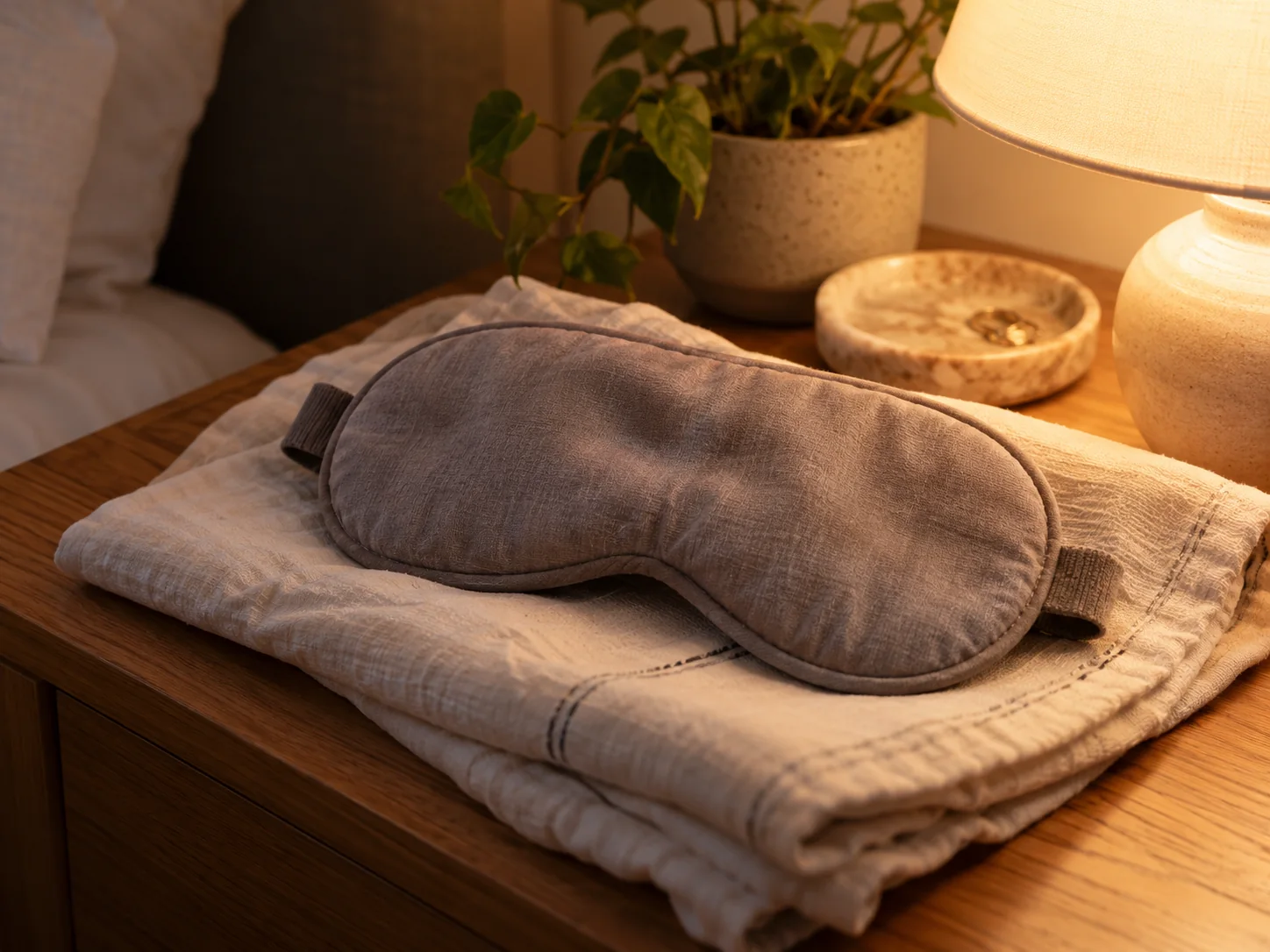
A heated eye mask resting on a nightstand
Tool
A heatable eye mask, not a washcloth
Heat
Comfortably hot, never scalding
Time
Long enough to stay warm throughout
Then
A few firm, complete blinks

Technique

The version that works.

  1. 01

    Use a mask that holds heat

    Microwaveable masks deliver steady warmth for the full session; cloths cool before the oil does.

  2. 02

    Warm, close, rest

    Lids closed, mask resting gently, with no pressing or rubbing against the eye.

  3. 03

    Finish with blinks

    Several slow, complete blinks while the oil is soft help express what the heat loosened.

  4. 04

    Be boringly consistent

    Benefits build over weeks of daily routine, not one hot weekend.

Skip aggressive lid massage unless our eye doctors in Los Angeles have shown you how. Enthusiastic rubbing does more harm on an inflamed lid than warmth ever fixes.

The limits

When heat alone will not get there.

Compresses maintain glands; they rarely rescue blocked or inflamed ones. Signs you have outgrown home heat:

  • Burning returns within hours of a faithful routine
  • Lid margins stay red and thickened
  • Styes or flare-ups keep recurring
  • Imaging shows gland dropout or stagnant, toothpaste-like oil

That is where in-office treatment earns its place: IPL for the inflammation, expression while oils are warm and fluid, OptiLIFT where blink and lid tone have slipped. Compresses then do their proper job: keeping the result.

Heat plus

Where compresses fit in the program.

Common questions

Warm compresses, answered.

Anything else, call the office at 310-828-2010.

  • If the skin smarts, it is too hot — comfortably warm, maintained, beats scorching and brief every time.

  • Whichever you will actually repeat. Consistency outranks timing.

  • It is a classic sign the glands need more than maintenance heat — worth imaging before more months pass.

  • Use a microwavable eye mask heated by its instructions, because it stays warm for the whole session; a washcloth cools in about a minute, so it has to be re-warmed again and again. Close your eyes, rest the compress gently on the lids for a few minutes at a comfortable warmth, then blink fully a few times to move the softened oil. Warmth on closed lids loosens crusts and helps keep the oil glands from clogging, which is why warm compresses are part of home care for blepharitis (eyelid inflammation).

  • Only when they are too hot or used with force. A compress hot enough to sting the skin can burn the thin eyelid skin, and pressing or rubbing hard on an inflamed lid does more harm than the warmth helps. Comfortably warm and held gently on closed lids, a compress is safe for daily use. If the burn returns an hour later every time, the glands need more than heat, and imaging shows what they need.

Warm compresses near you

12222 Wilshire Blvd, on the Santa Monica border.

West Los AngelesBrentwoodSanta MonicaWestwoodBeverly HillsCulver CityPacific PalisadesWest HollywoodMarina del ReyNewport Beach

Also consider

Next step

Faithful to the mask and still burning?

Bring the routine you have been running. Imaging shows whether maintenance heat is enough or the glands need the office.

Book an evaluation Or call 310-828-2010