
Medically reviewed by Dr. Bijan Cohenmehr, OD Last reviewed
Why Myopia Matters
Glasses fix the blur. They don’t fix the eye that keeps growing.
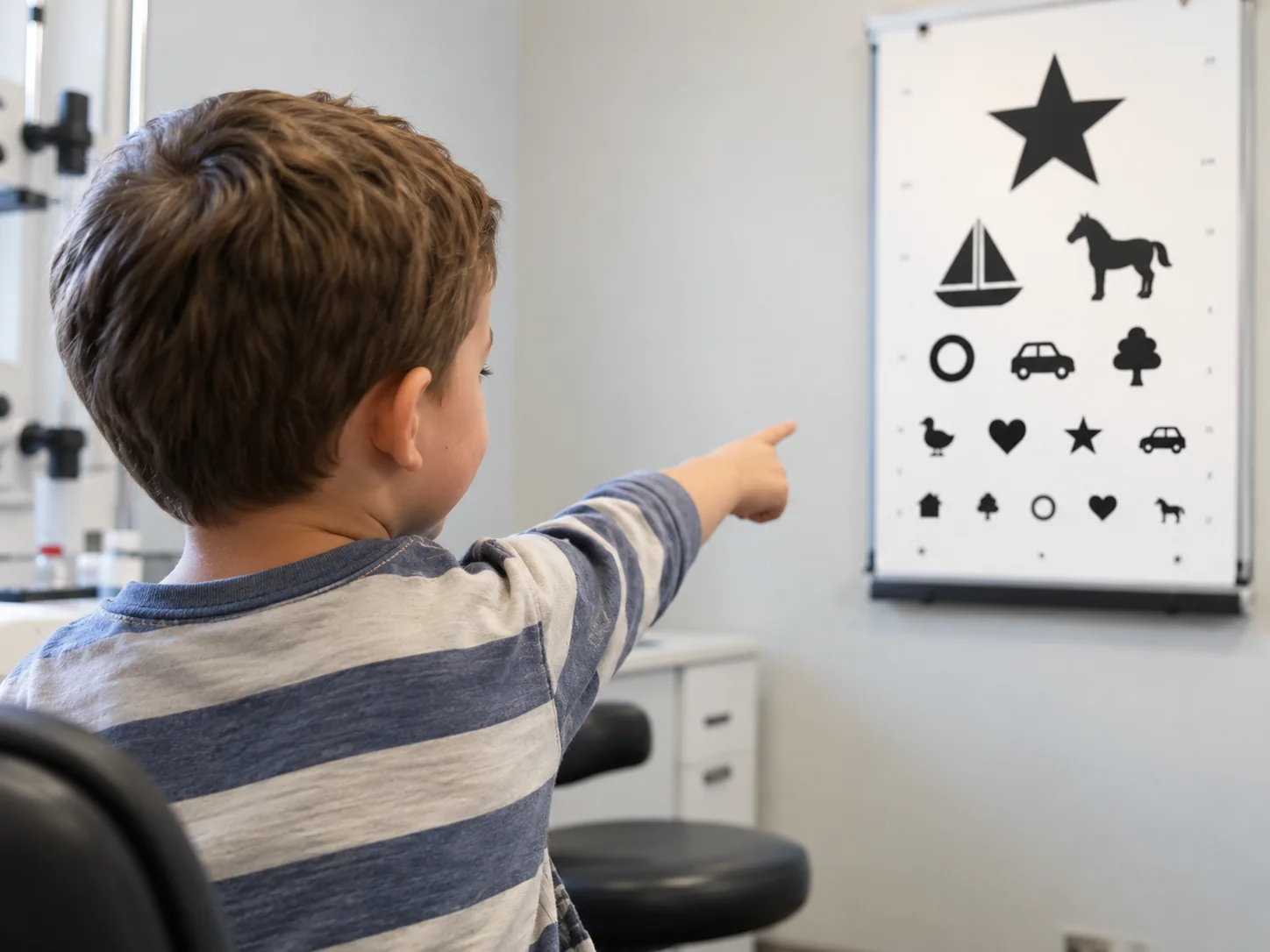
Myopia happens when the eye grows too long for its own optics. Each diopter of progression is more than a stronger prescription — it is a longer, more stretched eye, and stretch is what raises risk later in life. That is the whole case for slowing it while a child is young.
- The issue
- An eye growing too long
- The stakes
- Risk rises with every diopter
- The window
- Childhood, while eyes change
- The answer
- Slow it — Ortho-K leads here
The stakes
What high myopia raises the risk of.
- Retinal detachment and retinal disease
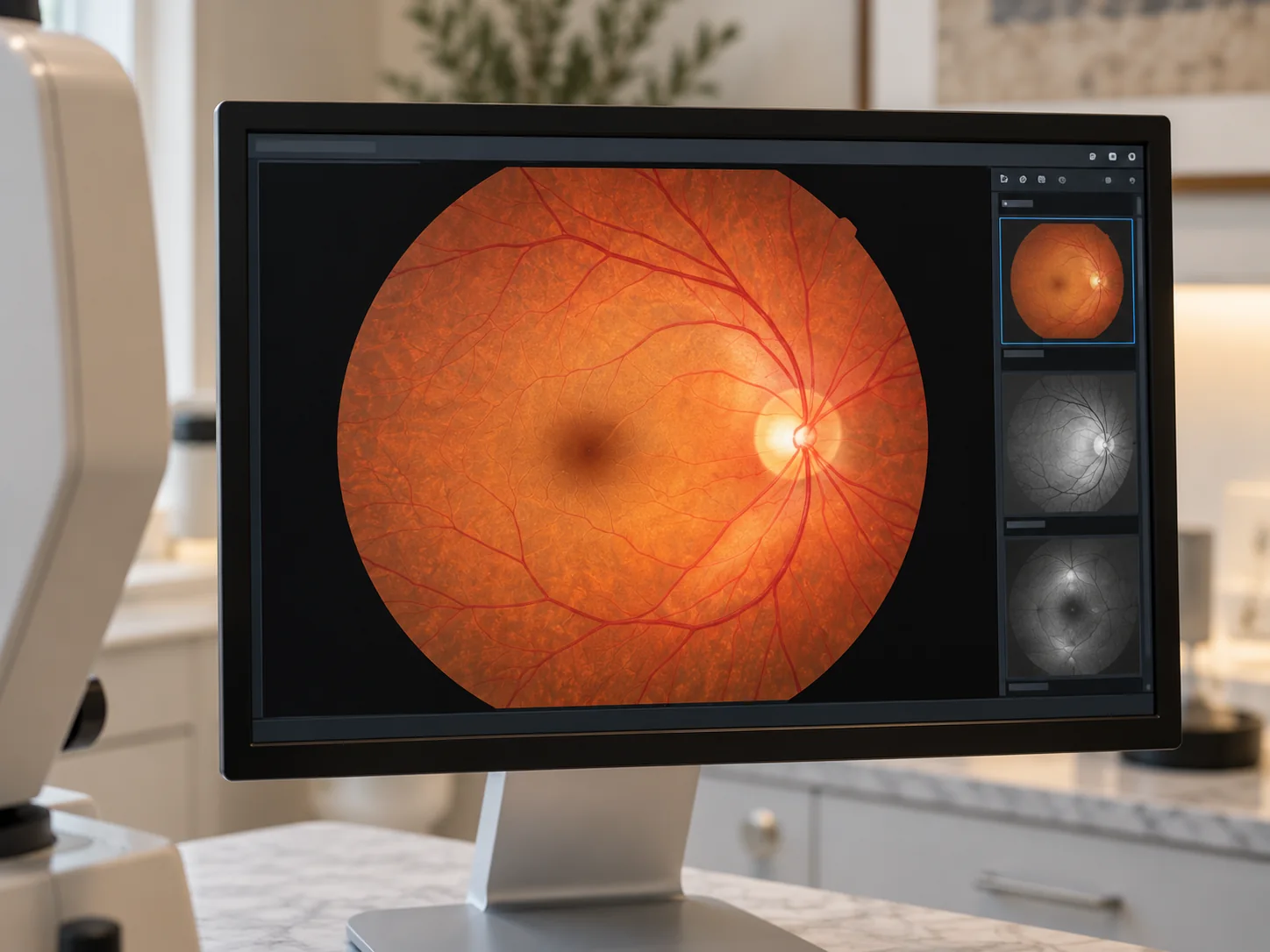
A stretched, elongated eye thins and tugs at the retina, making tears and detachments more likely over a lifetime.
- Glaucoma
Myopia is linked to higher glaucoma risk, which is one more reason every exam here includes pressure and nerve checks.
- Earlier cataracts
High myopia is associated with cataracts arriving sooner than they otherwise would.
- Myopic maculopathy
Severe elongation can change the macula itself, the detail-vision center that reading depends on.
None of this is destiny. It is a risk curve, and slowing progression in childhood bends the curve down for good.
The arithmetic
Small changes now, large differences later.
In a 2023 review of seven randomized trials, Ortho-K slowed the eye’s growth by about half over two years, and in the two-year study the FDA reviewed, Essilor Stellest lenses slowed progression by 71% — numbers Dr. Brandon has written about in the practice journal. A child who would have reached a high prescription can land somewhere far safer instead.
- Progression is fastest while children are growing, and so is the payoff of acting
- Every option still means clear vision today: lenses correct while they control
- We measure progression and track it from visit to visit
The program
Three ways we slow it down.
Why myopia matters near you
12222 Wilshire Blvd, on the Santa Monica border.
Also consider
The myopia estimator
What slowing it down looks like, on your child’s numbers.
Set the age, prescription and risk factors, then compare Ortho-K, atropine, multifocal contacts and Stellest against doing nothing.
Next step
Watching the prescription climb every year?
Bring the old prescriptions if you have them — the trend line is the first thing our Los Angeles optometrists read.