
Same-day urgent eye care
Mon 10–5 · Tue–Fri 8–5 310-828-2010 Book online Intake form
Cohenmehr Optometry — Vision · Dry Eye · Keratoconus Book appointment
Cohenmehr OptometryVision · Dry Eye · Keratoconus Center
Our Practice
Meet the Doctors TestimonialsShare FeedbackTraveling to See UsAreas We Serve Hours & Directions
Eye Care

Routine care

Comprehensive Eye CareContact Lens ExamsComputer Vision SyndromeGlasses and Contact LensesNeurolensAdvanced Diagnostics

Medical eye care

Glaucoma & Ocular DiseaseDiabetic Eye ExamsMacular Degeneration CareLow VisionStye & Chalazion TreatmentUrgent Care

Children’s vision

Pediatric Eye ExamsMyopia ManagementAtropineOrtho-KEssilor Stellest LensesVision Therapy

Surgery co-management

Surgical Co-ManagementLASIKPRKSMILEEVO ICLRefractive Lens ExchangeCataract SurgeryCorneal TransplantPterygium Surgery
Dry Eye
The Dry Eye CenterOptiLIFTIPL (Intense Pulsed Light)Punctal PlugsBlephExAmniotic MembranesPrescription DropsAutologous Serum DropsMeibomian Gland ProbingIPL for Rosacea

Understand

Types of Dry EyeThe Tear FilmDemodex BlepharitisDry Eye After LASIKMenopause & Dry EyeSjögren’s & Dry EyeContact Lens Discomfort

Cosmetics

Upneeq® · Buy OnlineUpneeq Intake Form
Myopia Control
The Myopia ProgramMyopia Estimator — free toolOrtho-K — $1,500 totalAtropineStellest LensesMultifocal ContactsMiSight 1 Day

For parents

Choosing a TreatmentWhy Myopia MattersOutdoor Time & ScreensFirst Ortho-K NightMeasuring Progression
Keratoconus
The Keratoconus CenterScleral Contact LensesSpecialty Contact LensesScleral Lens UsesEaglet Surface ProfilerScleral Lens Care

Go deeper

Eye Rubbing & KeratoconusKeratoconus in TeensCorneal HydropsTransplant Co-Management
Scleral Lenses

The lenses

Scleral Contact LensesEvery Use, at a GlanceEaglet Surface ProfilerScleral vs RGP vs HybridSpecialty Contact LensesSpecialty Soft & ProstheticLens Care & HandlingTraveling to See Us

Corneal conditions

KeratoconusPost-LASIK EctasiaPellucid Marginal DegenerationCorneal ScarringAfter Corneal TransplantAfter Radial Keratotomy (RK)Post-Surgical ComplicationsOcular Shingles Scarring

Surface disease & more

Severe Dry EyeSjögren’s SyndromeStevens-Johnson SyndromeGraft-vs-Host DiseaseBell’s Palsy & ExposureRare Tear DeficiencyPresbyopia & High RxSports & Active Wear
Library
Start With a SymptomEye Conditions A–ZArticlesFree ToolsFull Site Index

Patients

Patient Intake FormCommon QuestionsAccepted InsurancePaying for Care (FSA/HSA)
Call the office310-828-2010
Book appointment
A comprehensive eye exam at Cohenmehr Optometry

The Heart of the Practice

Comprehensive Eye Exams in West Los Angeles

Refraction, eye-health evaluation, and advanced retinal imaging — with a complete optical and same-day contact lens trials on site.

Medically reviewed by Dr. Bijan Cohenmehr, OD

RefractionEye healthRetinal imagingContact lensesThe optical

01 · The prescription

More than “one or two”

The part everyone knows (which is better, one or two) is done carefully here, because a quarter-diopter is the difference between glasses you tolerate and glasses you forget you’re wearing. We refine distance, near, and astigmatism axis, then check how the two eyes work together as a team: focusing, tracking and alignment.

If you’ve been squinting at night, re-reading lines, or getting headaches by afternoon, the refraction usually explains why.
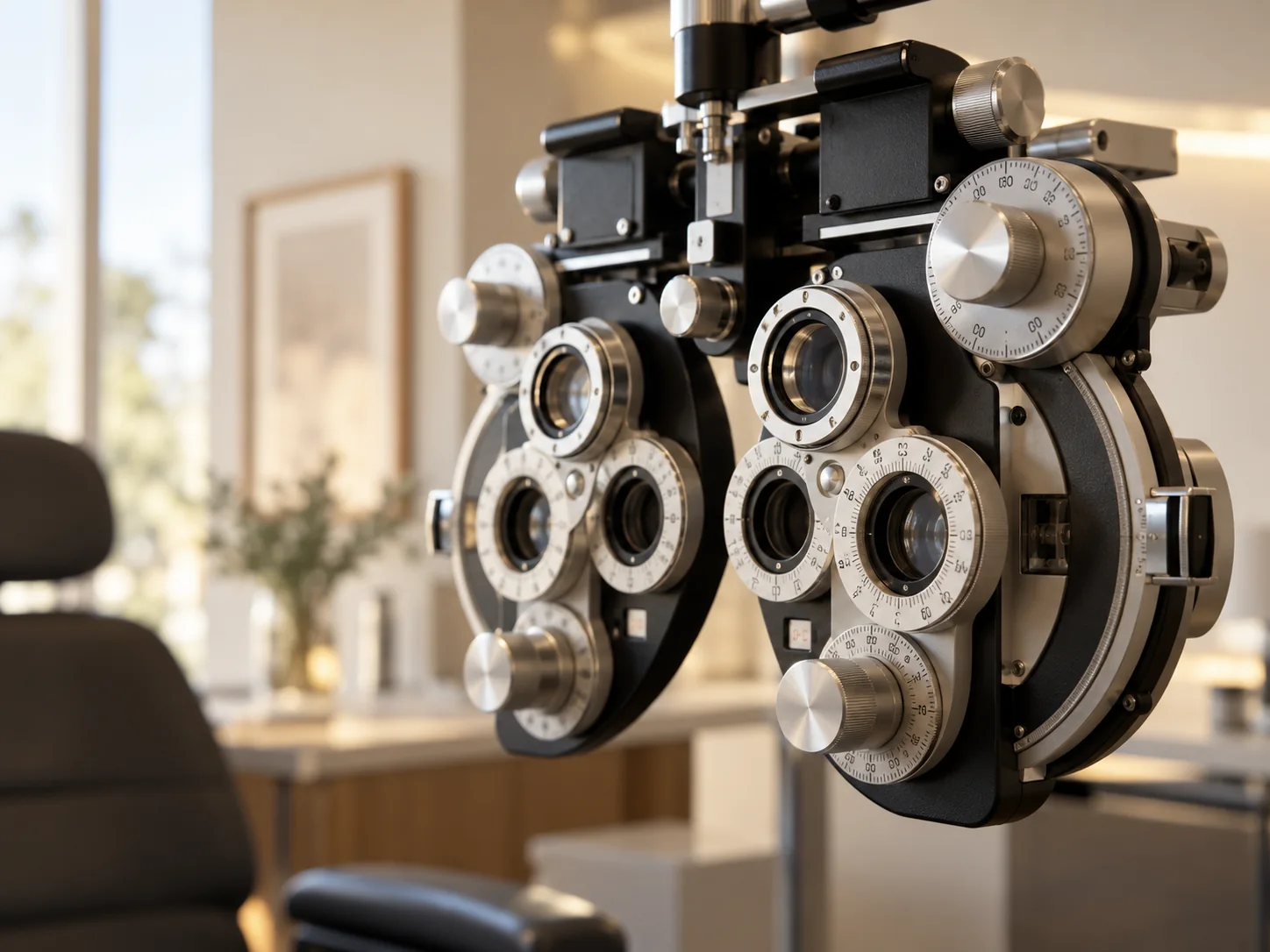
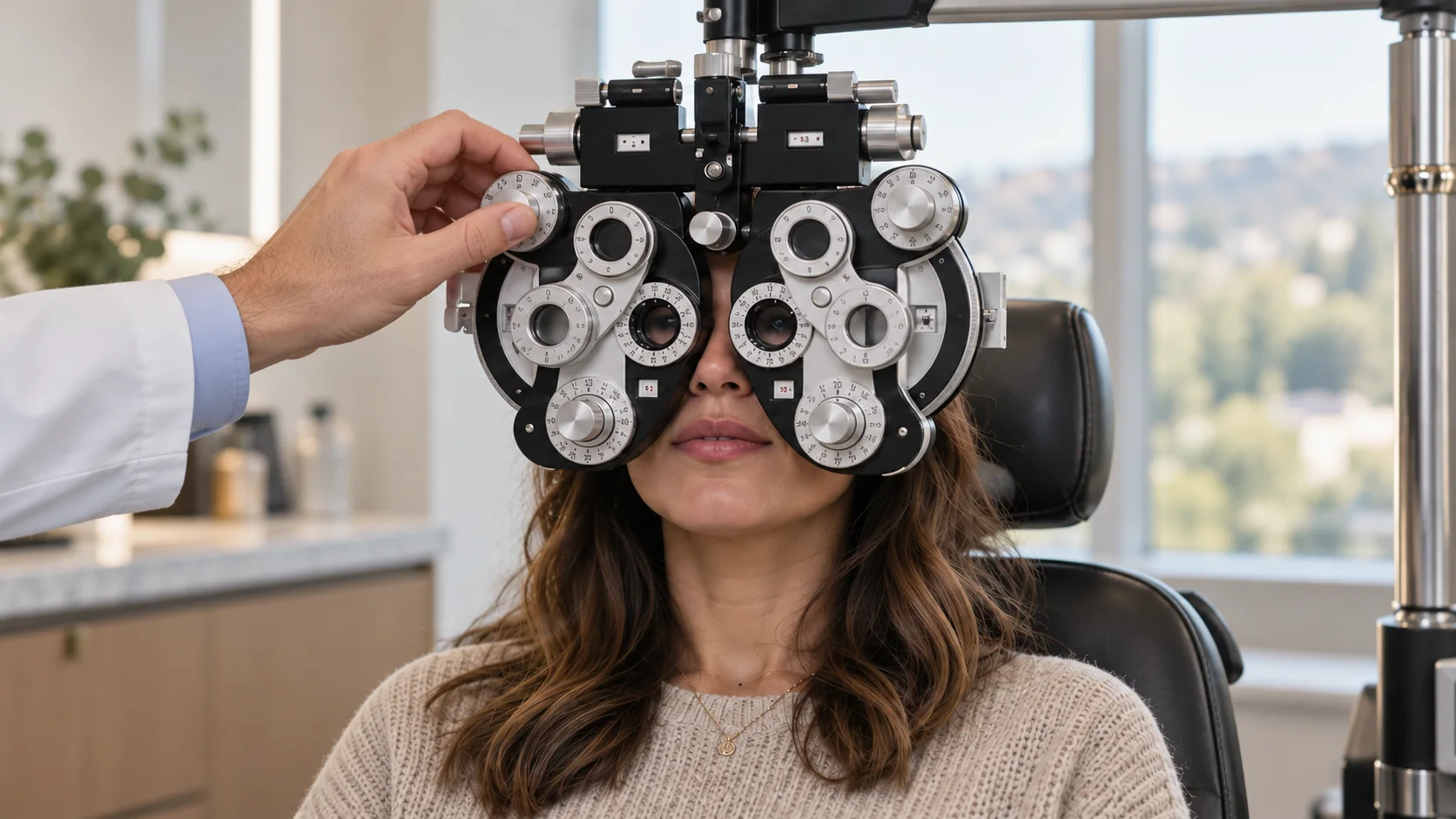
The phoropter during a refraction
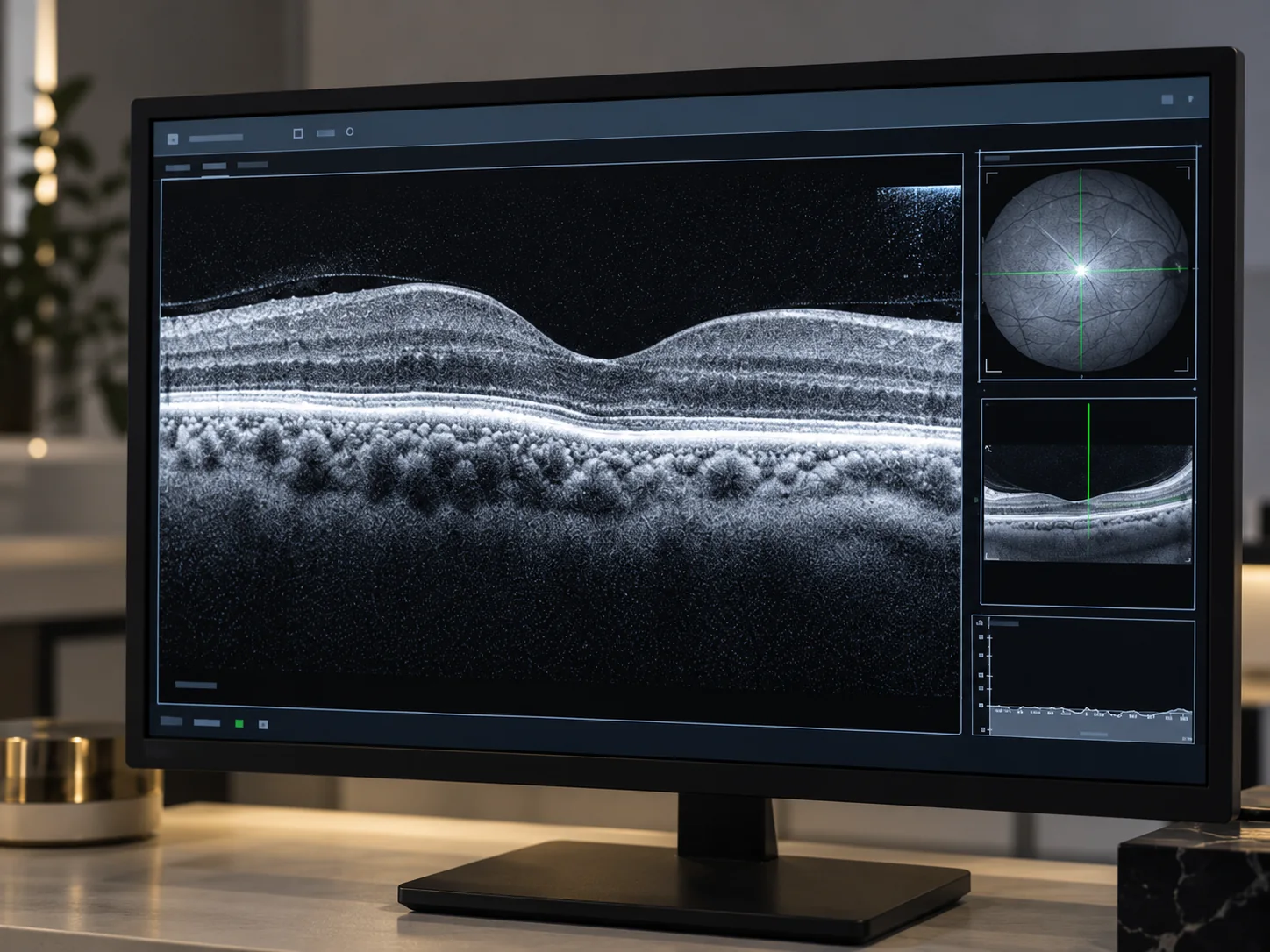
An OCT retinal scan on the review monitor

02 · The medical exam

The silent diseases are diagnosed early.

Glaucoma takes peripheral vision without symptoms. Macular degeneration starts years before reading blurs. Diabetes marks the retina before it announces itself anywhere else. None of these are found by reading a chart — they’re found by examining the eye: pressure, optic nerve, macula, retina, lids and tear film, at the slit lamp and under magnification.

Glaucoma screening
Eye pressure, optic nerve evaluation and, when indicated, OCT nerve-fiber analysis and visual fields.
Retinal evaluation
Dilated or wide-field imaged view of the retina, macula and blood vessels.
Front of the eye
Cornea, lens and lids: cataract grading, dry eye signs, early keratoconus clues.

03 · Advanced diagnostics

Imaging that sees what examination alone can’t.

The office runs hospital-grade diagnostics in-house: OCT cross-sections of the retina and optic nerve, wide-field retinal photography, corneal topography and meibography. Scans take seconds, nothing touches the eye, and the images become your baseline. Next year’s exam is compared against them, so change is caught while it’s still subtle.
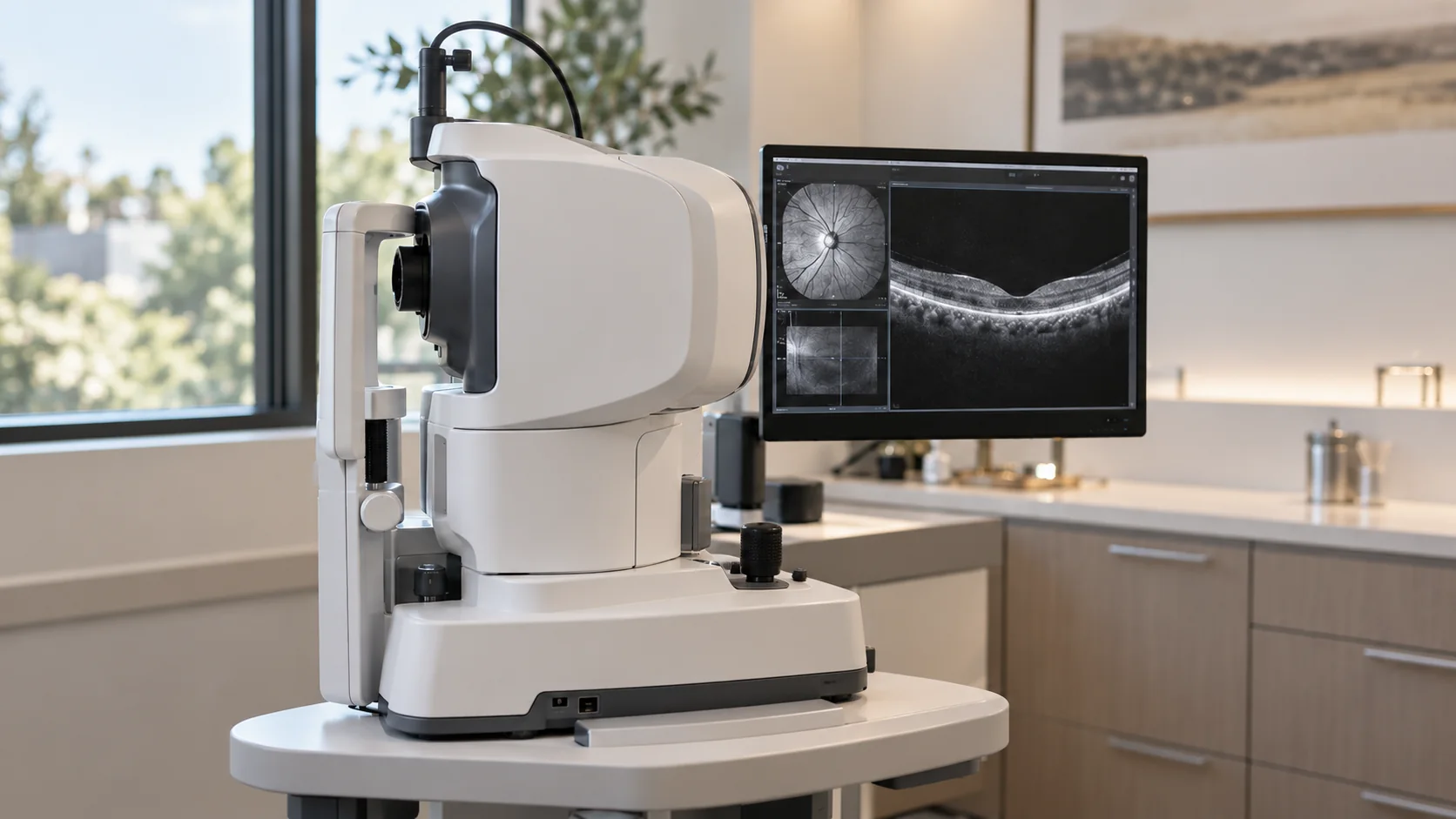
The OCT scanner in the diagnostic suite
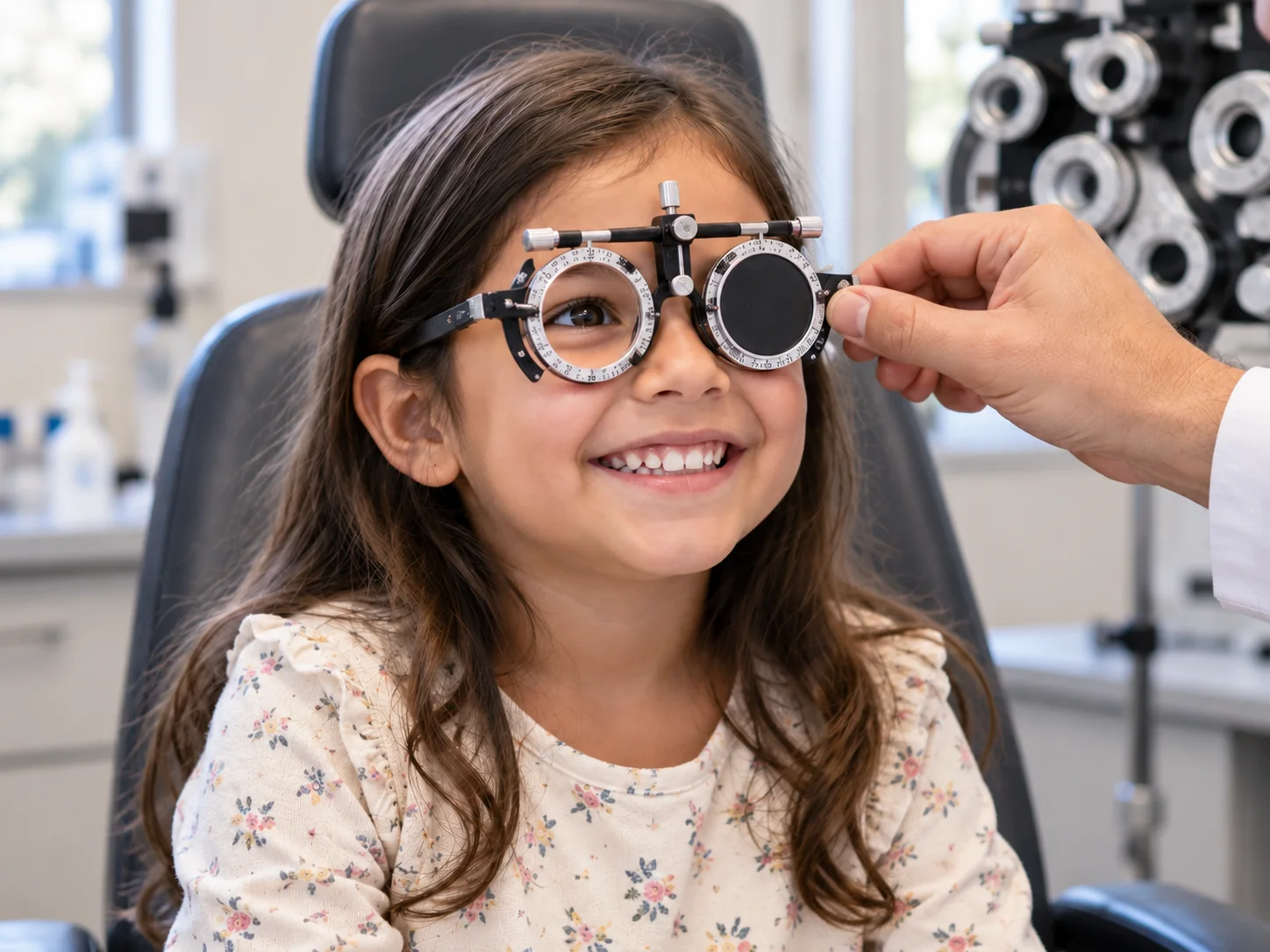
A child’s eye exam

04 · Every age

From first exams to later years — one practice, one record.

Children’s exams catch amblyopia and the start of myopia while treatment changes the outcome, and our myopia program can slow nearsightedness as they grow. Working years bring screens, contact lenses and the first reading glasses. After 60, the exam’s focus shifts to cataract, glaucoma and macular health. Three Los Angeles optometrists, one family, across all of it.

05 · Contact lenses

Contact lens exams and fittings — in the same chair.

A contact lens is a medical device that sits on your cornea; fitting one adds measurements a glasses exam never takes — curvature, diameter, tear film, and an on-eye evaluation under the slit lamp. We fit dailies, torics and multifocals across every major brand, and we keep one of the largest trial-lens inventories in Los Angeles, so most patients walk out wearing the lens the same day.
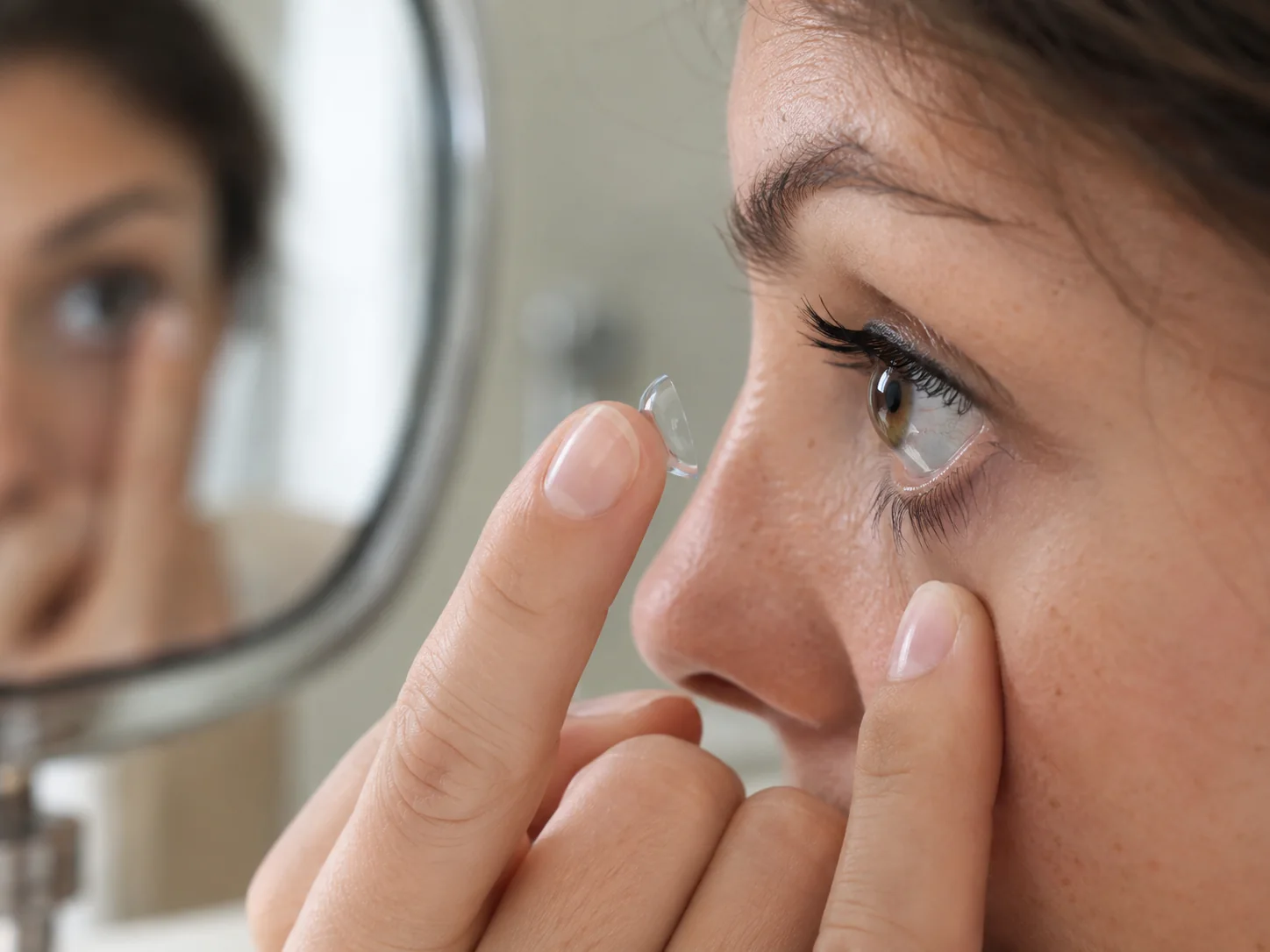
A woman putting in a contact lens in front of a mirror
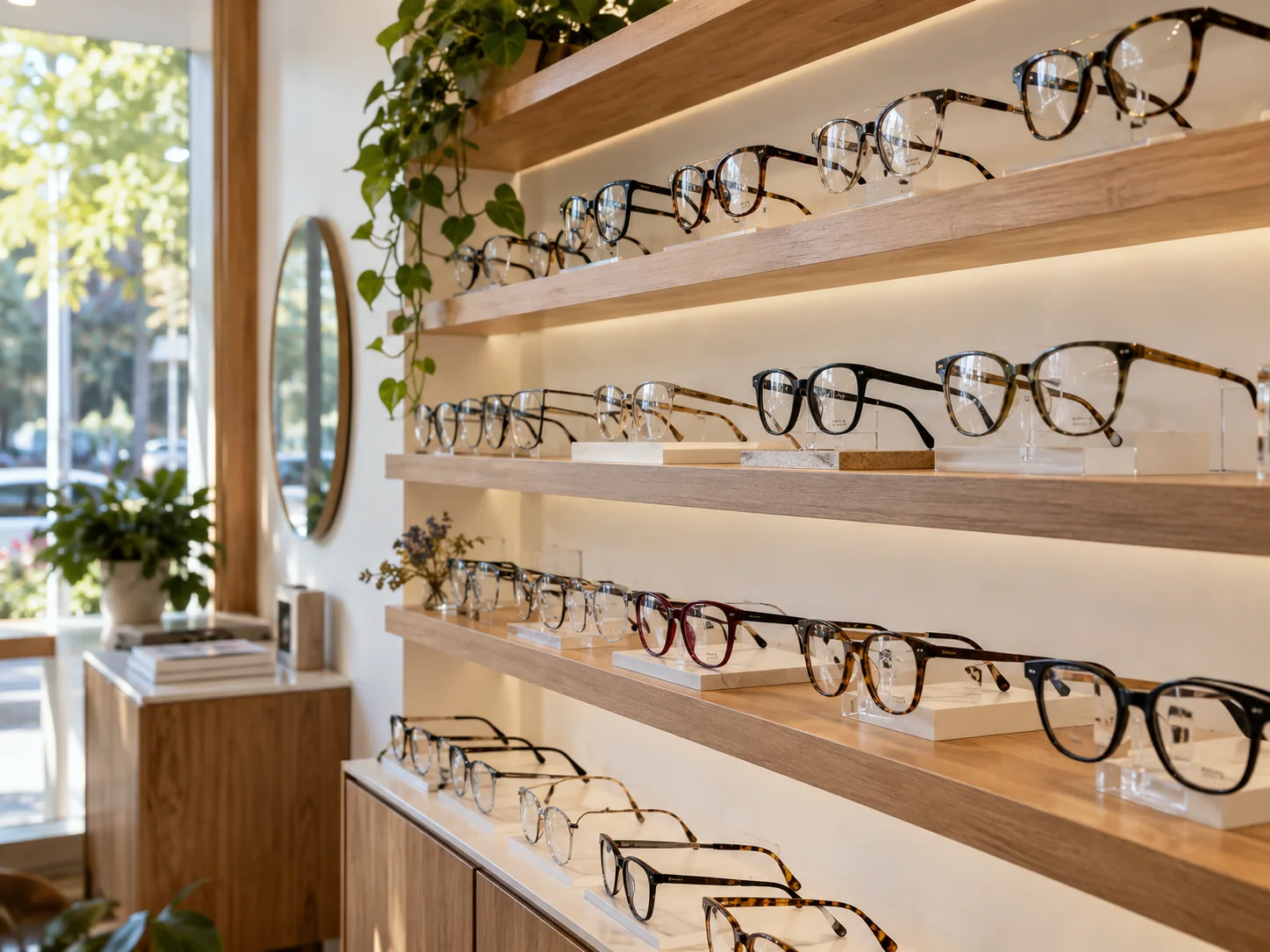
The frame wall in the optical

06 · The optical

Exam to eyewear, one visit.

Your prescription walks ten feet to a complete optical: designer frames — including ic! berlin and Face à Face, which we retail as an authorized dealer — measured and finished to dispensing-grade precision. Adjustments and repairs are handled where your glasses were made.

07 · Insurance & what to bring

Vision plans, medical insurance, or both.

Routine exams typically run through vision plans. Anything medical the exam finds — dry eye, glaucoma monitoring, a retinal finding — can be billed to medical insurance instead, which often covers what vision plans don’t. Bring your current glasses or contacts, a list of medications, and your insurance cards; we verify benefits before you arrive.

Checking in at the front desk

Common questions

The exam, answered.

Anything else, call the office at 310-828-2010.

  • Plan on about 45–60 minutes. The exam covers refraction, binocular vision, eye pressure, a slit-lamp evaluation of the front of the eye, and a dilated or imaged view of the retina — plus time to actually talk through the findings.

  • Annually for most adults — and at least annually for children, contact lens wearers, diabetics, and anyone over 60. Healthy adults in their 20s–30s with no prescription changes can sometimes stretch to every two years; we’ll tell you honestly which camp you’re in.

  • A screening reads letters on a chart. A comprehensive exam examines the eye itself (pressure, optic nerve, macula, retina, lids and tear film), which is where glaucoma, macular degeneration and diabetic damage announce themselves long before the chart notices.

  • We examine the retina at every comprehensive exam — by dilation or wide-field imaging as appropriate. Dilation blurs near vision for a few hours; imaging takes seconds. We’ll recommend what your eyes need and work around your schedule driving home.

  • Yes — that’s the point of the complete optical on site. Your prescription walks ten feet to the frame wall, the lenses are matched to your measurements, and contact lens fittings run in the same chair.

  • Both. Routine exams typically run through vision plans; anything medical found during the exam — dry eye, glaucoma monitoring, retinal findings — can be billed to medical insurance. We verify benefits before your visit: 310-828-2010.

  • Call 310-828-2010 for the current self-pay fee; it depends on whether the visit is a routine exam or a medical one, and whether you need a contact lens fitting. Many patients without vision benefits are covered anyway: a medical plan can usually be used for the exam when there is a medical reason, such as dry eye, diabetes or glaucoma monitoring.

  • We accept Medicare. Original Medicare covers medically necessary eye care, for example yearly diabetic eye exams, glaucoma tests for people at high risk, and macular degeneration care, but not routine refractions for glasses. Many Medicare Advantage plans add routine vision benefits. Bring your card and we will check what your plan covers before the visit.

Comprehensive eye exams near you

12222 Wilshire Blvd, on the Santa Monica border. Free parking on Wellesley, just south of Wilshire.

West Los AngelesBrentwoodSanta MonicaWestwoodBeverly HillsCentury CityBel AirCulver CityMar VistaVeniceMarina del ReyPacific PalisadesWest Hollywood

Next step

An hour that looks after everything.

Book a comprehensive eye exam at 12222 Wilshire Blvd for glasses, contacts and answers in the same visit.

Book TodayOr call 310-828-2010