
Same-day urgent eye care
Mon 10–5 · Tue–Fri 8–5 310-828-2010 Book online Intake form
Cohenmehr Optometry — Vision · Dry Eye · Keratoconus Book appointment
Cohenmehr OptometryVision · Dry Eye · Keratoconus Center
Our Practice
Meet the Doctors TestimonialsShare FeedbackTraveling to See UsAreas We Serve Hours & Directions
Eye Care

Routine care

Comprehensive Eye CareContact Lens ExamsComputer Vision SyndromeGlasses and Contact LensesNeurolensAdvanced Diagnostics

Medical eye care

Glaucoma & Ocular DiseaseDiabetic Eye ExamsMacular Degeneration CareLow VisionStye & Chalazion TreatmentUrgent Care

Children’s vision

Pediatric Eye ExamsMyopia ManagementAtropineOrtho-KEssilor Stellest LensesVision Therapy

Surgery co-management

Surgical Co-ManagementLASIKPRKSMILEEVO ICLRefractive Lens ExchangeCataract SurgeryCorneal TransplantPterygium Surgery
Dry Eye
The Dry Eye CenterOptiLIFTIPL (Intense Pulsed Light)Punctal PlugsBlephExAmniotic MembranesPrescription DropsAutologous Serum DropsMeibomian Gland ProbingIPL for Rosacea

Understand

Types of Dry EyeThe Tear FilmDemodex BlepharitisDry Eye After LASIKMenopause & Dry EyeSjögren’s & Dry EyeContact Lens Discomfort

Cosmetics

Upneeq® · Buy OnlineUpneeq Intake Form
Myopia Control
The Myopia ProgramMyopia Estimator — free toolOrtho-K — $1,500 totalAtropineStellest LensesMultifocal ContactsMiSight 1 Day

For parents

Choosing a TreatmentWhy Myopia MattersOutdoor Time & ScreensFirst Ortho-K NightMeasuring Progression
Keratoconus
The Keratoconus CenterScleral Contact LensesSpecialty Contact LensesScleral Lens UsesEaglet Surface ProfilerScleral Lens Care

Go deeper

Eye Rubbing & KeratoconusKeratoconus in TeensCorneal HydropsTransplant Co-Management
Scleral Lenses

The lenses

Scleral Contact LensesEvery Use, at a GlanceEaglet Surface ProfilerScleral vs RGP vs HybridSpecialty Contact LensesSpecialty Soft & ProstheticLens Care & HandlingTraveling to See Us

Corneal conditions

KeratoconusPost-LASIK EctasiaPellucid Marginal DegenerationCorneal ScarringAfter Corneal TransplantAfter Radial Keratotomy (RK)Post-Surgical ComplicationsOcular Shingles Scarring

Surface disease & more

Severe Dry EyeSjögren’s SyndromeStevens-Johnson SyndromeGraft-vs-Host DiseaseBell’s Palsy & ExposureRare Tear DeficiencyPresbyopia & High RxSports & Active Wear
Library
Start With a SymptomEye Conditions A–ZArticlesFree ToolsFull Site Index

Patients

Patient Intake FormCommon QuestionsAccepted InsurancePaying for Care (FSA/HSA)
Call the office310-828-2010
Book appointment

Medically reviewed by Dr. Brandon Cohenmehr, OD Last reviewed

Scleral Lenses for Rare Tear Deficiency

When drops replace nothing, wear the tears instead.

A handful of rare conditions all arrive at the same cruel place: almost no natural tears at all. For those eyes, drops are a losing race. A scleral lens changes the game — the eye spends its day inside a reservoir, and the tear film is simply worn.
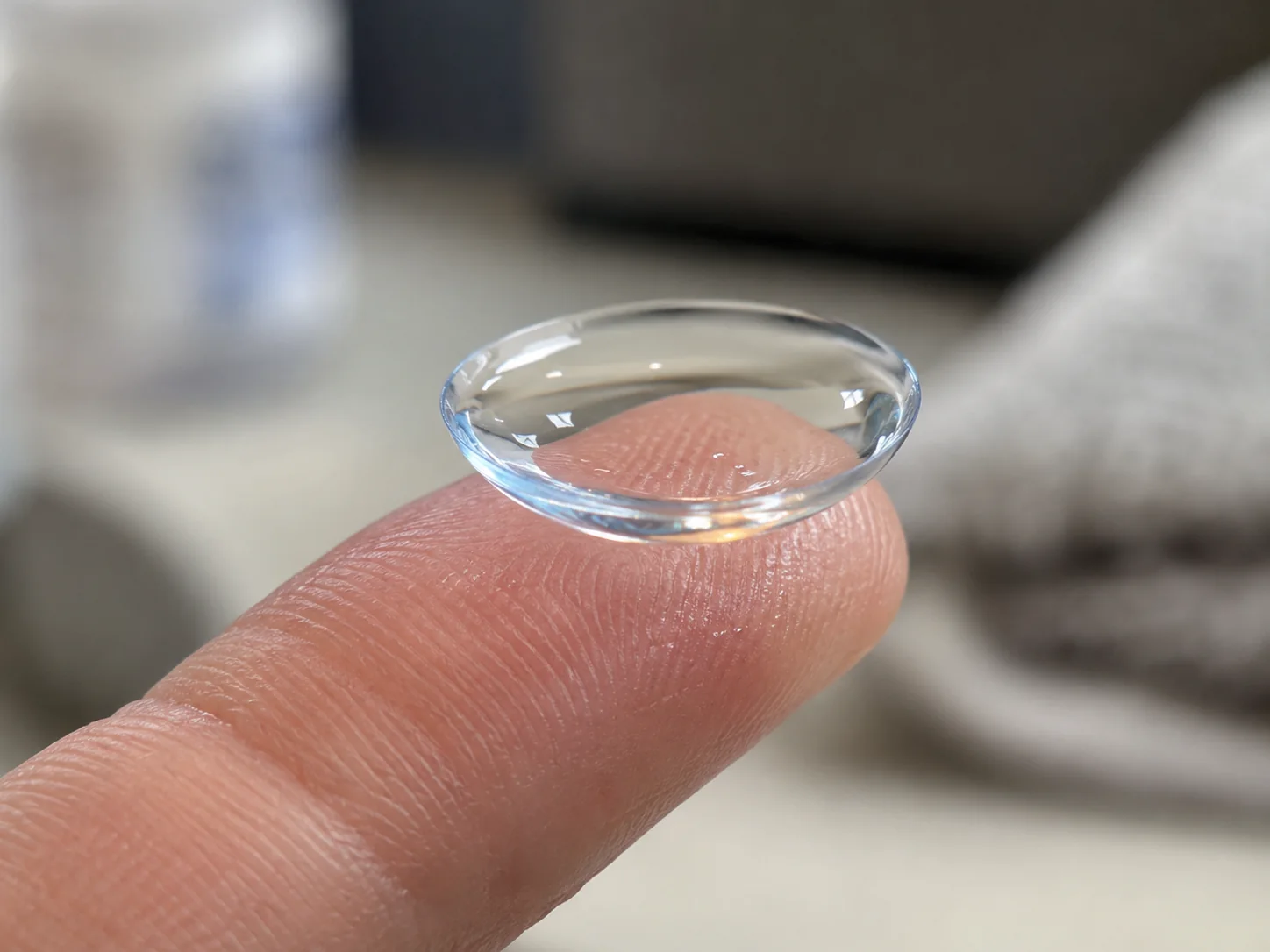
A single drop of saline on a fingertip
The problem
Near-zero tear production
The causes
Congenital & neurologic syndromes
The reframe
Wear the tear film
The precedent
Published from this practice

The published case

An A+ solution, in the literature.

Dr. Brandon Cohenmehr authored the scleral lens case report “An A+ Solution to Triple A Syndrome: Scleral Lenses”. It documents restored comfort and function in a patient whose rare condition caused extreme tear deficiency. The report shows the idea behind this page: when physiology won’t make a tear film, engineering can hold one in place.

Who this serves

Patients with congenital or syndromic tear deficiency, nerve-related low production, and the severest aqueous-deficient dry eye. They are often young and often told nothing more could be done.

What changes

Burning gives way to hours of quiet; surfaces that constantly broke down get to heal under fluid; school and work days stop being rationed.

How we fit it

Gently and in stages, from an Eaglet ESP map — with serum tears, membranes and your other specialists coordinated around the lens, not displaced by it.

For the families

Rare doesn’t mean alone.

  • Evaluations welcome from anywhere, with visit clusters for travelers
  • Records coordinated with your existing specialists
  • The goal is boring: comfortable, repeatable days
Book a consult

Common questions

Rare tear deficiency, answered.

Anything else, call the office at 310-828-2010.

  • Yes — the lens responds to the surface, not the syndrome’s name. If tears are the missing piece, the mechanism applies.

  • With training and family support, many do very well — handling becomes routine faster than parents expect.

  • No — it anchors them. Serum tears, ointments and specialist care usually continue, working better on a protected surface.

  • Triple A syndrome, also called Allgrove syndrome, is a rare inherited condition named for three features: achalasia (trouble moving food down the esophagus), adrenal insufficiency (the adrenal glands make too little hormone) and alacrima, meaning tear production is reduced or absent. Alacrima is often the first sign noticed in babies. The condition is estimated to affect 1 in 1 million people. Dr. Brandon Cohenmehr, OD, authored a case report on scleral lenses for a patient whose Triple A syndrome caused extreme tear deficiency.

  • Yes. The lens brings its own fluid: before it goes in, its bowl is filled with preservative-free saline, so your cornea sits in a saline bath for as long as the lens is worn. That reservoir keeps the surface hydrated and physically protected, which is why scleral lenses are prescribed for severe dry eye and other ocular surface disease (conditions that damage the surface of the eye). For these eyes, fitting is done gently and in stages from an Eaglet Eye Surface Profiler map.

Rare tear deficiency near you

12222 Wilshire Blvd, on the Santa Monica border.

West Los AngelesBrentwoodSanta MonicaWestwoodBeverly HillsCulver CityPacific PalisadesWest HollywoodMarina del ReyNewport Beach

Also consider

Next step

Out of conventional road?

Bring the diagnosis, however rare — the mapping visit with a Los Angeles eye doctor speaks surface, not syndrome.

Book a consult Or call 310-828-2010