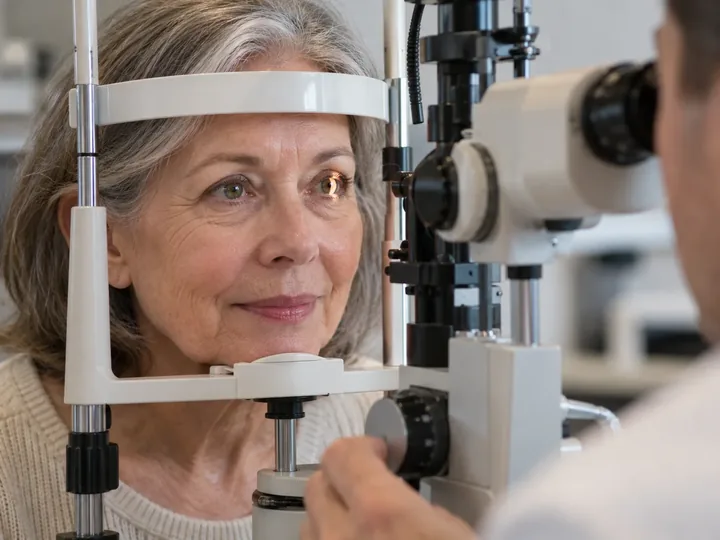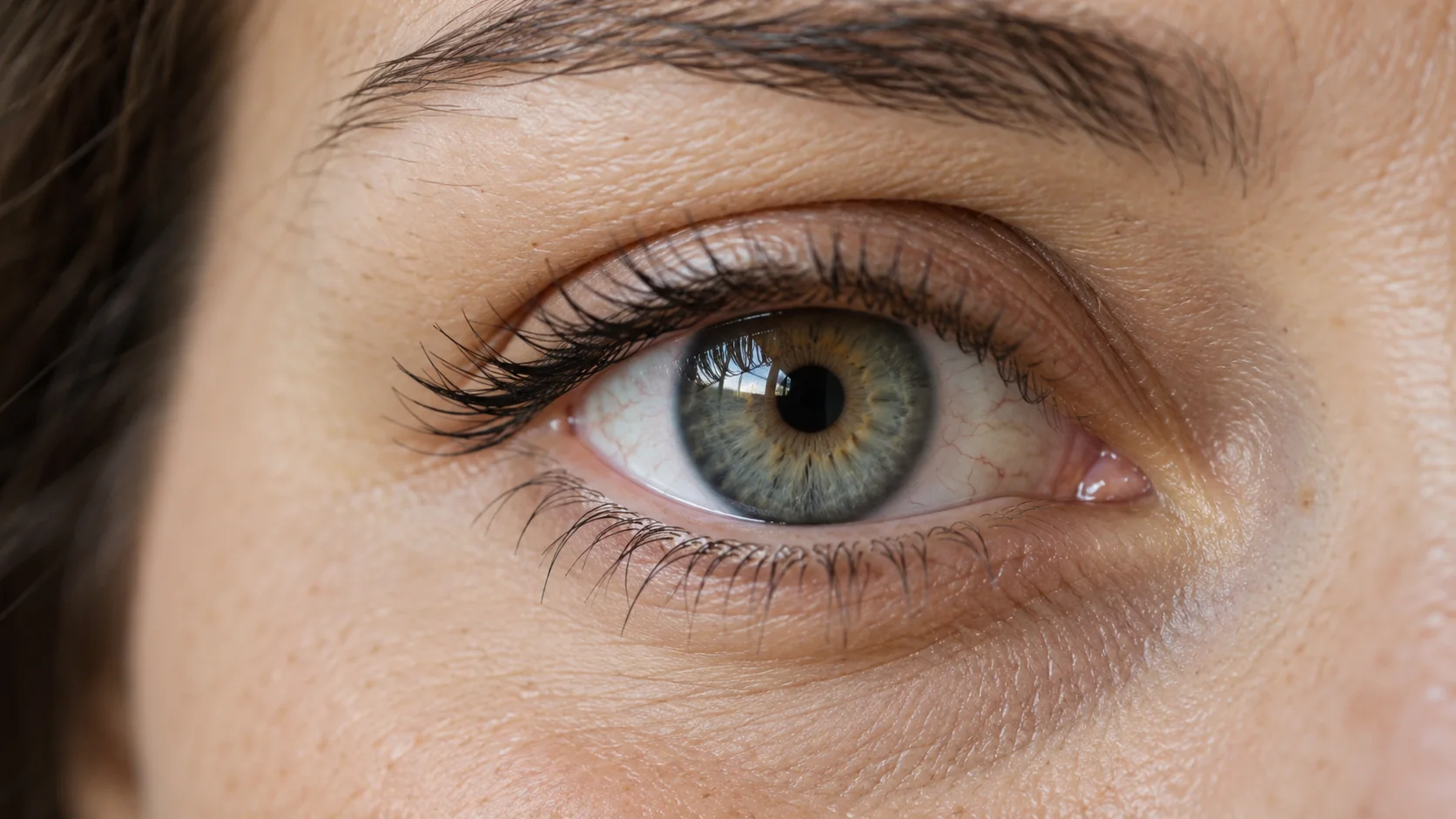
Dry eye can go away for good when a passing cause is behind it, such as a medicine, dry or windy air, or long hours on screens, and that cause can change. Chronic dry eye is the kind tied to age, hormonal changes, clogged eyelid oil glands or a condition like Sjögren syndrome, and it usually can't be cured permanently. Dry eyes can be a chronic condition, and then the goal is control: enough tears on the eye and symptoms that stay quiet. Since treatment for dry eye usually depends on what's causing your symptoms, the first step is finding the cause, which is what a dry eye evaluation with our optometrists in Los Angeles is for.
Key takeaways
- Dry eye from a passing cause, such as a medicine, dry air or long screen sessions, can go away once that cause changes.
- Chronic dry eye tied to age, hormonal changes, clogged eyelid oil glands or autoimmune disease usually needs ongoing care to stay under control.
- Artificial tears ease mild dry eye, and prescription drops, punctal plugs and eyelid treatments help when tears alone are not enough.
- If you wear contact lenses and your eye hurts, turns red or blurs, take the lens out and get a same-day exam, or an emergency room after hours.
01
Can dry eye go away on its own?
Yes, when something temporary causes it and that cause changes. Several common causes come from daily life:
- Screens: you may blink less when looking at computer or tablet screens, which can lead to dry eye.
- Your surroundings: windy, smoky or dry places can cause your tears to dry up faster.
- Medicines: dry eye can be a side effect of some medicines that treat colds and allergies, depression and high blood pressure. Don't stop a prescribed medicine on your own; ask the doctor who prescribed it about other options.
- Contact lenses: long-term use of contact lenses can be a factor in dry eye.
- Eye surgery: our articles on dry eyes after cataract surgery and dry eye after LASIK explain what to expect while the eye heals.
Dry eye can also come from another health problem, and treating that condition may improve your dry eye symptoms. If your eyes started feeling dry around the time a new medicine or a new diagnosis came along, mention it at your exam.
02
What is chronic dry eye, and why does it keep coming back?
Chronic dry eye, or chronic dry eye disease, is dry eye that lasts or keeps returning because its cause doesn't go away. The American Optometric Association calls dry eye a common and often chronic problem, particularly in older adults.
You're more likely to have dry eye if you're age 50 or older. Hormone changes during pregnancy and menopause can make it harder for your body to make tears, and some health problems, including diabetes, thyroid problems and autoimmune disorders like lupus or Sjögren syndrome, can cause dry eye too.
Clogged eyelid oil glands are another lasting cause. Your tears have three layers: oil, water and mucus, and the oil, made by the meibomian glands along the edges of your eyelids, slows evaporation. When those glands get clogged, a problem eye doctors call meibomian gland dysfunction, the result is a kind of blepharitis (eyelid inflammation) that usually doesn't go away completely, though you can take steps to manage your symptoms.
03
How do you fix dry eyes for good?
Match the fix to the cause. When the cause goes away, the dryness can go with it; when it can't, the same steps keep symptoms under control.
| Cause | What helps |
|---|---|
| Long screen sessions | Breaks from the screen and blinking fully on purpose |
| Dry, windy or smoky air | A humidifier at home, wraparound sunglasses outdoors, and vents pointed away from your face |
| A medicine side effect | A talk with the doctor who prescribed it about other options |
| Another health condition | Treating that condition, alongside dry eye care |
| Clogged eyelid oil glands | Warm compresses, eyelid cleaning, and in-office gland treatment |
| Too few tears | Artificial tears, prescription drops that help your eyes make more tears, and punctal plugs |
Table sources: the National Eye Institute on dry eye and its causes, and the American Optometric Association on dry eye.
04
How do you get rid of dry eyes at home?
Start with artificial tears, the most common treatment for mild dry eye. Over-the-counter moisturizing gels and ointments may help too. The AOA recommends preservative-free artificial tears because they contain fewer additives, which can further irritate the eyes; our article on preservative-free eye drops explains single-use vials and bottles.
These everyday steps can help with mild dryness:
- Blink regularly when reading or staring at a computer screen for long periods.
- Run a humidifier to keep the air in your home from getting too dry.
- Keep smoky, windy or very dry air away from your eyes when you can: those places can cause your tears to dry up faster. Indoors, eliminating direct high airflow or fans helps, so point air-conditioning and heating vents away from your face.
- Wear wraparound sunglasses outdoors to cut wind and sun.
- Hold a warm, wet cloth on your closed eyes for a few minutes; it loosens crusts and can help keep your oil glands from clogging. Our guide to warm compresses done right covers time and temperature.
- Get enough sleep, about 7 to 8 hours a night.
- Ask about omega-3s: nutritional supplements containing essential fatty acids may help decrease dry eye symptoms in some people. Our article on fish oil for dry eyes looks at the evidence.
These steps can clear dryness that comes from habits or surroundings. With chronic dry eye they ease symptoms, and people whose dry eyes don't respond to artificial tears alone will need to take additional steps.
05
Which treatments control chronic dry eye?
Treatments for dry eyes aim to restore or maintain the normal amount of tears in the eye. Your eye doctor chooses among them by cause:
- Prescription drops: for more serious dry eye, your eye doctor may prescribe cyclosporine (Restasis) or lifitegrast (Xiidra), eye drops that can help your eyes make more tears. Our comparison of prescription dry eye drops covers these and newer drops.
- Punctal plugs: tiny silicone or gel-like plugs that can be removed if needed sit in the tear ducts, and keeping your own tears on the eye longer can reduce symptoms. Our page on punctal plugs explains the dissolvable kind we use.
- Eyelid treatment: prescription eye drops or ointments, warm compresses and lid massage, or eyelid cleaners can decrease inflammation around the surface of the eye. For clogged oil glands we also use intense pulsed light therapy, or IPL, with gland expression.
- Eyelid surgery: rarely, your eye doctor may suggest surgery to fix your eyelids and help your tears stay on your eyes, and NEI notes it's not very common.
For chronic dry eye these work as ongoing care. A doctor of optometry can prescribe treatment to keep your eyes healthy over time, and the plan changes as follow-up visits show what's working.
06
When should you see an eye doctor for dry eyes?
Make an appointment when drops and home steps aren't enough, or when dryness is getting in the way of everyday activities. An exam also matters because if severe dry eye isn't treated, it can sometimes damage your cornea, the clear outer layer at the front of your eye.
Some symptoms can't wait. If you wear contact lenses and have eye pain, redness, blurred vision, light sensitivity or a white spot on the cornea, take the lens out and call us at 310-828-2010 right away for a same-day exam; when we're closed, go to an emergency room. Our urgent eye care page lists other symptoms that need care the same day.
07
How we treat dry eye at Cohenmehr Optometry
Dr. Bijan Cohenmehr leads dry eye care in our office, and every plan starts with the cause. We image the meibomian glands (meibography) and check how stable your tear film is and how healthy the surface of the eye looks, then match treatment to what we find.
Treatment follows the cause: IPL with gland expression for clogged oil glands, OptiLIFT for weak blinks and eyelids that don't close fully at night, dissolvable punctal plugs to keep your own tears on the eye, prescription drops, and amniotic membranes when the surface of the cornea won't heal. Our dry eye treatment center page walks through each step.
08
Questions patients ask
How long does dry eye last?
It depends on the cause. Dryness from screen-heavy days, dry air or a medicine can ease once that cause changes, and dryness after cataract surgery or LASIK follows the eye's healing. Dry eye tied to age, hormonal changes, autoimmune disease or clogged oil glands tends to last; the AOA calls dry eye a common and often chronic problem, particularly in older adults, so treatment keeps it under control over time.
Can you cure dry eyes naturally?
Home steps help mild dry eye and can clear dryness that comes from habits or surroundings: blinking during screen work, a humidifier, wraparound sunglasses, enough sleep and warm compresses. Omega-3 supplements may help decrease dry eye symptoms in some people. Dry eye tied to age, hormonal changes or autoimmune disease usually needs medical treatment as well, so see an eye doctor if home steps aren't enough.
How can you cure dry eyes fast?
For quick relief, use artificial tears, the most common treatment for mild dry eye, and keep fans and vents from blowing on your face. Drops ease symptoms. Clearing dry eye for good takes removing what's causing it, such as long screen sessions, a dry room or a medicine side effect, and for chronic dry eye, a treatment plan from your eye doctor.
How often can you use artificial tears?
Artificial tears can be used as often as needed to supplement natural tear production. If you use them often, choose preservative-free drops, which the AOA recommends because they contain fewer additives that can irritate the eyes. If you need drops all day and your eyes still feel dry, that's a reason for a dry eye evaluation.
09
Sources
- National Eye Institute: Dry eye
- National Eye Institute: Causes of dry eye
- National Eye Institute: Blepharitis
- American Optometric Association: Dry eye
- StatPearls: Dry eye syndrome

Written by
Dr. Bijan Cohenmehr, OD
Founder of Cohenmehr Optometry, in practice for over 40 years. He leads the practice’s dry eye care and myopia management. A graduate of SUNY College of Optometry.
About Dr. Bijan →