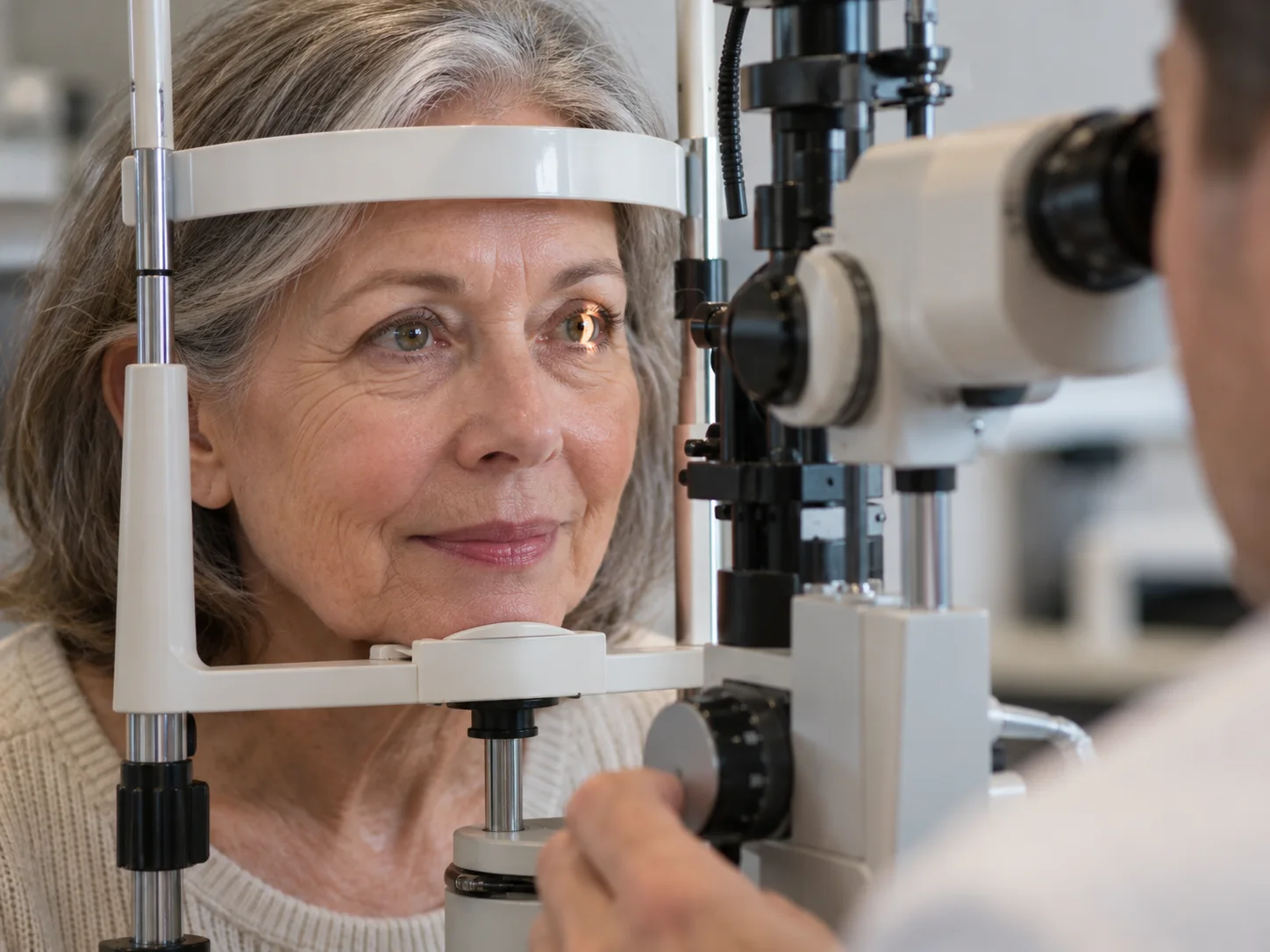
After cataract surgery, an eye can feel dry or gritty for more than one reason. In the first days the healing eye may feel itchy, uncomfortable and sensitive to light, and should feel better after 1 or 2 days. Longer-lasting dryness may be dry eye, which becomes more common with age: most people over 65 have some symptoms of it. Keep using your prescribed drops as directed, ask before adding others, and mention lingering dryness at your follow-up visits after cataract surgery, because we treat it. Sudden loss of vision in the eye that had surgery: call your surgeon right away; in the other eye or both eyes, or if you can't reach the surgeon, call 911. Any other vision loss, pain that medicine doesn't relieve, a very red eye, or new flashes or floaters need a call to us right away at 310-828-2010 (an emergency room when we're closed).
Key takeaways
- Early irritation from healing should ease after 1 or 2 days, and dryness that lasts longer may be dry eye, which becomes more common with age.
- Keep using prescribed drops as directed, and ask your eye doctor or surgeon before adding artificial tears or any other drop to a healing eye.
- Most people are completely healed 8 weeks after surgery, and dryness that keeps coming back may need treatment, so mention it at your next follow-up visit.
- Sudden loss of vision in the eye that had surgery, even if it comes back, means calling your surgeon right away, or 911 if you can't reach them.
01
Is it normal to have dry eyes after cataract surgery?
Some irritation is expected at first. After cataract surgery your eye may feel a bit itchy or uncomfortable and sensitive to light and touch, the National Eye Institute (NEI) says, and it should feel better after 1 or 2 days. Your vision might also be blurry at first while the eye recovers.
Dryness that hangs on is a separate question. Dry eye happens when your eyes don't make enough tears to stay wet, or when your tears don't work correctly. Age raises the odds: the American Optometric Association (AOA) calls dry eyes a part of the natural aging process. Cataracts are tied to age too. By age 80, most people either have cataracts or have had surgery for them.
Dry eye also shows up in the drug studies. In the studies behind the FDA label for nepafenac (Nevanac), an anti-inflammatory drop for pain and inflammation after cataract surgery, about 1% to 5% of patients reported dry eye, and the label notes that some of these reactions may result from the cataract surgery itself. If it's part of your aftercare, keep using it exactly as prescribed.
02
How can you tell dry eye from normal healing?
Timing is the first clue. NEI expects the eye to feel better after a day or two, so burning, scratchiness or blur that keeps coming back after that is worth mentioning at your next visit.
- A scratchy feeling, like there's something in your eye
- Stinging or burning
- Red eyes
- Sensitivity to light
- Blurry vision
Some of these overlap with the warning signs after surgery listed below, so don't assume a very red eye or worsening vision is only dryness.
Everyday things can make dry eye worse. You may blink less when looking at computer or tablet screens, windy, smoky or dry places can make tears dry up faster, and some medicines for colds and allergies, depression and high blood pressure can cause dry eye as a side effect. Don't stop a prescribed medicine on your own; our page on medications that cause dry eye explains how we treat the eyes around it.
03
How long do dry eyes last after cataract surgery?
There's no fixed timeline. The first irritation should ease within a day or two, and NEI says most people are completely healed 8 weeks after surgery.
If dryness keeps coming back after the first few days, mention it at your next follow-up visit; it may need treatment as dry eye, during recovery or after. AOA describes dry eye as a common and often chronic problem, particularly in older adults.
Your follow-up visits after surgery happen here, on your surgeon's schedule. We check healing, eye pressure and vision, and we manage your drops as part of cataract co-management. Dry eye care during recovery is part of the post-surgery care we provide.
04
Can you use eye drops for dry eyes after cataract surgery?
Ask us or your surgeon first. Keep using your prescribed drops exactly as directed, and check before adding artificial tears or any other drop to an eye that is still healing.
If you get the go-ahead, a few habits help:
- Choose preservative-free artificial tears. AOA recommends them because they contain fewer additives, which can further irritate the eyes.
- Leave time between drops. NEI advises waiting at least 5 minutes between different types of eye drops.
- Keep your hands off the eye. NEI says you may need to avoid touching your eye for a few weeks after surgery.
- Cut down on drying air. NEI suggests avoiding smoke, wind and air conditioning and using a humidifier at home.
Over-the-counter moisturizing gels and ointments may also help dry eyes feel better, but ask before using one while the eye heals. Our dry eye home care guide covers the daily routine once you're cleared for it.
05
Which symptoms after cataract surgery are more than dry eye?
Call right away if you notice any of the problems NEI lists after cataract surgery: vision loss, bad pain that won't go away even with pain medicine, very red eyes, or flashes of light or a lot of small dark spots or squiggly lines floating across your vision. Here's where to go:
- Sudden loss of vision in the eye that had surgery, even if it comes back: call your surgeon right away, and call 911 if you can't reach them.
- Sudden loss of vision in your other eye or both eyes, sudden double vision, or any change in vision with face drooping, arm weakness or trouble speaking: call 911. The American Stroke Association lists double vision among the sudden vision changes that warn of a stroke and says to call 911 even if the symptoms go away.
- Any other loss of vision, pain that medicine doesn't relieve, or a very red eye: call us right away at 310-828-2010 for a same-day visit. When we're closed, call your surgeon or go to an emergency room.
- New flashes, a shower of new floaters, or a dark curtain or shadow over part of your vision: call us immediately for a same-day exam, or go to an emergency room when we're closed.
- A blow to the eye that leaves pain or changed vision: call us right away for a same-day exam, or go to an emergency room when we're closed.
- A speck or object stuck in your eye: don't rub it. Call us and come straight in, because we remove these in the office; go to an emergency room only when we're closed.
Our hours are Monday 10am to 5pm and Tuesday to Friday 8am to 5pm, and we fit urgent visits in the same day.
06
Should dry eye be treated before cataract surgery?
Yes, and dry eye screening is automatic at our candidacy work-up. About a week before surgery, the eye is measured so the right artificial lens, called an intraocular lens or IOL, can be chosen.
We follow a set order: treat the tear film until the readings repeat cleanly, then take the final measurements your surgeon uses to choose the lens. That is usually a matter of weeks, with gland therapy, drops and sometimes plugs, as our page on dry eye before eye surgery explains.
Tell your surgeon about dry eye as well. The FDA label for nepafenac says experience with anti-inflammatory (NSAID) eye drops suggests that people with ocular surface diseases such as dry eye syndrome, or with diabetes or rheumatoid arthritis, may be at increased risk of corneal problems, which may become sight threatening. It says these drops should be used with caution in those patients. Don't stop or change a prescribed drop on your own.
07
How we treat dry eye after cataract surgery at Cohenmehr Optometry
We co-manage cataract surgery. A cataract surgeon we refer you to does the operation, and your care before and after happens in our office.
When dryness continues after surgery, Dr. Bijan Cohenmehr, who leads dry eye care at Cohenmehr Optometry, looks for the cause before treating it. To plan dry eye treatment, we image the meibomian glands, the oil glands in the eyelids, and evaluate tear film stability and the health of the eye's surface.
Treatment follows what we find: IPL with gland expression for clogged oil glands, dissolvable punctal plugs that keep your own tears on the eye longer, prescription drops for inflammation or low tear production, and scleral lenses, which hold a reservoir of saline over the cornea, for severe cases. Bring every drop you use, prescribed or over the counter, to each visit.
08
Questions patients ask
Is it normal for your eye to water after cataract surgery?
It can happen; mention it at your next visit. In the nepafenac label's studies, about 1% to 5% of patients reported tearing after cataract surgery, and AOA lists excess watering among dry eye symptoms. Sudden loss of vision in the eye that had surgery, even if it comes back: call your surgeon right away, or 911 if you can't reach the surgeon. Sudden loss in the other eye or both eyes is a 911 call. For watering with any other vision loss, pain that medicine doesn't relieve or a very red eye, call us right away; when we're closed, call your surgeon or go to an emergency room.
How do you put in eye drops?
Wash your hands, tilt your head back and look up, and gently pull your lower eyelid down to make a pocket. Hold the bottle upside down just above it and squeeze in the prescribed number of drops, without letting the tip touch your eye, eyelid or fingers. Close your eye for at least a minute, and wait at least 5 minutes between different drops. NEI also suggests pressing lightly on the inner corner of the eye, which keeps the drop from draining into your nose; while you're healing from surgery, ask us or your surgeon first.
Can rheumatoid arthritis cause dry eyes?
It makes dry eye symptoms more likely. AOA says people with rheumatoid arthritis, diabetes and thyroid problems are more likely to have symptoms of dry eyes, and NEI lists autoimmune conditions such as lupus and Sjögren syndrome among dry eye risk factors. If you have one of these and cataract surgery is coming up, mention it at your work-up so your tear film can be checked and treated before the measurements for your lens are taken; see dry eye before eye surgery.
What does a dry eye clinic do?
It finds out why your eyes are dry before treating them. A dry eye exam measures the quantity and quality of your tears, and special dyes can show tear flow and any changes to the eye's surface caused by too few tears. After cataract surgery, that work-up fits into your follow-up visits here. If another office handled your aftercare and your eyes still feel dry, start with an exam: we treat dry eye after cataract surgery too.
09
Sources
- National Eye Institute: Cataract surgery
- National Eye Institute: Cataracts
- National Eye Institute: Dry eye
- National Eye Institute: Causes of dry eye
- American Optometric Association: Dry eye
- DailyMed (FDA label): Nevanac
- American Stroke Association: Stroke symptoms
- National Eye Institute: How to put in eye drops

Written by
Dr. Bijan Cohenmehr, OD
Founder of Cohenmehr Optometry, in practice for over 40 years. He leads the practice’s dry eye care and myopia management. A graduate of SUNY College of Optometry.
About Dr. Bijan →