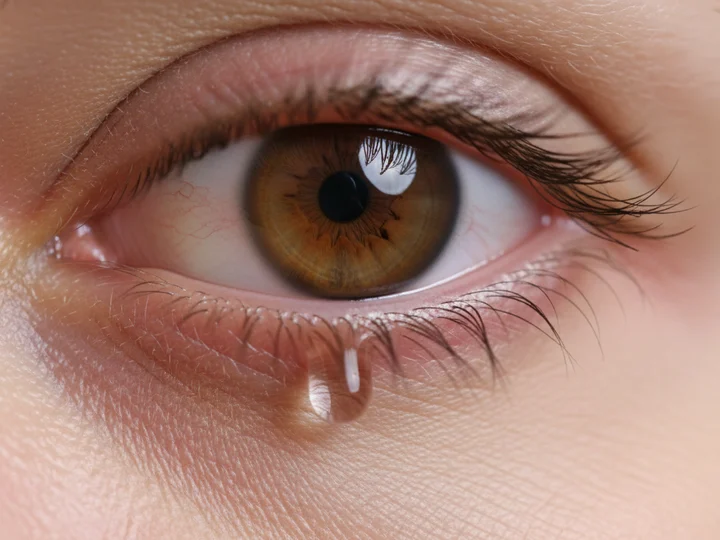
Intense itching in both eyes points to allergies. Allergic conjunctivitis (pink eye caused by allergies) usually involves both eyes and can make them teary and swollen, and it is not contagious. Viral pink eye makes a watery discharge, can come with a cold, and usually starts in one eye before spreading to the other within days. Bacterial pink eye makes thick pus that can stick the eyelids together. A stye is different: an infected oil gland that makes a painful, swollen bump at the edge of the eyelid. Eye pain, light sensitivity, or blurred vision that does not clear when you wipe away discharge are reasons to be seen the same day, or at an emergency room when we're closed.
Key takeaways
- Allergies tend to make both eyes itch, sometimes with sneezing or an itchy nose, and unlike viral or bacterial pink eye, they aren't contagious.
- Viral pink eye gives watery discharge and often spreads from one eye to the other, and bacterial pink eye makes thick pus that can stick the lids together.
- Antibiotics don't work on viruses, and most viral pink eye clears in 7 to 14 days without treatment, while bacterial pink eye usually gets antibiotic drops or ointment.
- Eye pain, light sensitivity, or blurred vision that doesn't clear when you wipe away discharge needs a same-day visit, or an emergency room when we're closed.
01
What is the difference between pink eye and eye allergies?
Pink eye is the everyday name for conjunctivitis, an inflammation of the outer layer of the eye and the inside of the eyelid. It can cause swelling, itching, burning, discharge and redness.
Viruses, bacteria and allergens are the most common causes of pink eye, so eye allergies are one kind of pink eye. Of all the types, viral pink eye is the most common.
The cause also decides whether anyone else can catch it. Viral and bacterial pink eye are very contagious, while allergic conjunctivitis is not. An allergic eye usually improves once the allergen is gone. Our pink eye guide covers how long each type lasts and stays contagious.
02
How can you tell if you have pink eye or allergies?
Start with the itch. With allergic pink eye, intense itching can occur, both eyes are usually involved, and other allergy symptoms such as sneezing, an itchy nose, a scratchy throat or asthma may come along. Itching doesn't always show up, though. Allergic conjunctivitis may or may not itch, and its discharge tends to be clear and watery, with mild redness.
With an infection, the discharge and the timeline tell you more: watery discharge with a cold or the flu suggests a virus, and thick pus that glues the lids together suggests bacteria, which sometimes arrive with an ear infection.
| Clue | Viral pink eye | Bacterial pink eye | Allergic conjunctivitis | Stye |
|---|---|---|---|---|
| Itch or pain | A sandy, gritty feeling, as if something is in the eye; can burn or itch | Eyelid swelling; typically minimal eye pain | Itching, sometimes intense | Pain or tenderness of the eyelid |
| Discharge | Watery | Thick pus, often yellow-green; lids can stick together | Clear and watery | Crusting of the eyelid and extra tearing |
| One eye or both | Often starts in one, then spreads to the other within days | One or both | Usually both | A bump on the edge or inside of one eyelid |
| Contagious? | Yes, very | Yes, very | No | Not meaningfully; still, don't share eye makeup |
| Can come with | A cold, flu or other respiratory infection | Sometimes an ear infection | Sneezing, itchy nose, scratchy throat or asthma; redness and swelling | Swelling and redness of the eyelid |
| What helps | Cold compresses and artificial tears; antibiotics do not work on viruses | Antibiotic eye drops or ointment from your doctor | Avoiding the trigger, cool compresses, artificial tears, antihistamine eye drops | A warm, wet cloth; never squeeze it |
The table summarizes the CDC's pages on pink eye symptoms and pink eye treatment, and the American Optometric Association's pages on conjunctivitis types, eye allergies, eyelid styes and chalazion lumps.
Symptoms of the different types overlap. A red eye that doesn't fit one pattern, or isn't improving, needs an exam.
03
Why does the cause change the treatment?
Antibiotics are not effective against viruses. Most viral pink eye is mild and clears up in 7 to 14 days without treatment, though some cases take 2 to 3 weeks or more. For more serious forms, such as infection with the herpes simplex or varicella-zoster virus, a doctor can prescribe antiviral medication. Meanwhile, cold compresses and artificial tears help relieve some of the inflammation and dryness.
Bacterial pink eye is usually treated with antibiotic eye drops or ointment. Mild cases may get better without them, but antibiotics may shorten the infection, reduce complications and help keep it from spreading to others.
Allergic conjunctivitis usually improves once the allergen, such as pollen or animal dander, is removed. Over-the-counter allergy eye drops are a reasonable first step; some also contain a redness reliever such as naphazoline, and overuse of those can make the eye redder, so follow the label. If symptoms don't settle or get worse, a doctor of optometry can talk with you about prescription drops.
04
Pink eye vs stye: how can you tell them apart?
Look for a lump. Pink eye causes swelling and redness on the inside of the eyelid and the white of the eye. A stye (hordeolum) is an infection of an oil gland at the edge of the eyelid, usually caused by staph bacteria, and it brings pain, swelling and redness.
A stye can also start when bacteria from your skin get into the follicle of an eyelash. Besides the bump, it can cause tearing, crusting of the eyelid, or a feeling that something is in your eye.
For a stye, place a warm, wet cloth on the eyelid for 5 to 10 minutes several times a day, as your optometrist directs, and never squeeze the stye. For pink eye, cold compresses and artificial tears can relieve some of the inflammation and dryness.
A chalazion is another eyelid lump: a slowly developing, painless bump that forms when an oil gland in the eyelid is blocked and swollen. It is generally not an infection. Our stye and chalazion treatment page explains how those are treated, and our stye guide covers styes that keep coming back.
05
What should you do while you wait to be seen?
These steps protect your eyes and the people around you:
- Take out contact lenses and leave them out until your eye doctor says it is OK to wear them again.
- Wash your hands often with soap and water, and don't share pillows, towels, makeup or glasses.
- If allergies are the cause, avoid rubbing your eyes.
- If it looks like an infection, throw away the eye makeup you were using when it started.
06
When does a red eye need same-day care?
See a doctor promptly if pink eye comes with any of these:
- Eye pain
- Sensitivity to light
- Blurred vision that does not improve when discharge is wiped from the eyes
- Intense redness
- Symptoms that get worse or do not improve
- Bacterial pink eye that is no better after 24 hours of antibiotics
- A weakened immune system
A newborn with pink eye symptoms should see a doctor right away, or go to an emergency room if the office is closed. For contact lens wearers a red eye is more urgent, because bacterial conjunctivitis puts them at higher risk of bacterial keratitis. Keratitis is an inflammation and swelling of the cornea, the clear front cover of the eye, and wearing contact lenses raises the risk of it, especially if you sleep in them. If your eye is red, painful or blurry, take your lenses out and call us for a same-day visit, or go to an emergency room when we're closed, because keratitis that goes untreated can permanently damage vision.
A red eye can also come from more serious problems. Uveitis, inflammation inside the eye, can bring eye pain, red eyes, sensitivity to light and blurry vision, and it can cause vision loss if it isn't treated, so see an eye doctor right away for those symptoms, or go to an emergency room when we're closed. Our keratitis page covers corneal infections in more detail.
Angle-closure glaucoma, a sudden rise in eye pressure, is a medical emergency. Go to an eye doctor or an emergency room immediately if you suddenly have intense eye pain with nausea, a headache, a red eye, blurry vision or halos around lights; untreated, it can cause blindness in just a few days. During office hours, call us right away; at any other time, go to an emergency room.
If a chemical splashes into your eye, rinse first: start right away with lots of room temperature water and keep rinsing for at least 15 to 20 minutes, taking out contact lenses as you rinse. After rinsing, call Poison Control at 1-800-222-1222, then call us during office hours or go to an emergency room; if the symptoms are severe, go straight to an emergency room.
For the other warning signs above, call 310-828-2010 during office hours (Monday 10 a.m. to 5 p.m., Tuesday through Friday 8 a.m. to 5 p.m.) for a same-day urgent eye care visit. Outside those hours, go to an emergency room for real eye pain, marked light sensitivity or blurred vision, especially if you wear contact lenses, or for a newborn with pink eye symptoms; for the other signs, call us first thing when we open.
07
How we tell pink eye from allergies at Cohenmehr Optometry
Red eye is one of the problems we see the same day. Our optometrists in Los Angeles examine the eye under magnification at the slit lamp and look at the discharge, whether one eye or both are involved, the crusting pattern, any itching, and how it started.
Treatment follows the cause. A virus gets comfort care while it runs its course: lubricating drops, cool compresses and strict hand hygiene. We prescribe antibiotic drops when the exam supports a bacterial infection. Allergic conjunctivitis gets allergy drops and trigger control, often alongside dry eye care. Whatever the cause, contact lenses stay out until the eye is clear.
When a child with eye allergies rubs constantly, we also examine the cornea; our page on eye rubbing and keratoconus explains why. For itching that keeps coming back, our eye allergies page covers prescription drops and trigger control.
08
Questions patients ask
Is pink eye painful?
It can be uncomfortable. Viral conjunctivitis is usually painful, but the pain is typically a sandy, gritty feeling, as if something is in the eye, and bacterial conjunctivitis typically causes minimal pain. Pain beyond that gritty feeling, light sensitivity or blurred vision is a reason to see a doctor, and we see those symptoms the same day; when we're closed, go to an emergency room.
How do you soothe itchy eyes from allergies?
Start with comfort care. Cool compresses and artificial tears sometimes relieve discomfort in mild cases, and lubricating eye drops can rinse the allergen off the surface of the eye. Antihistamine eye drops can ease the symptoms, and it helps to avoid rubbing your eyes. If you think it may be an infection instead, see your doctor of optometry.
Can seasonal allergies affect your eyes?
Yes. Seasonal allergens are one cause of eye allergies. Using over-the-counter or prescription allergy medicine before and during allergy season can help prevent symptoms, and a doctor of optometry can help if they don't go away or get worse over time.
Can allergies make your eyes hurt?
Not usually. Eye allergies typically cause itching, redness and swelling, in one or both eyes. Eye pain, light sensitivity or blurred vision with a red eye is a reason to see a doctor, because it may be something other than allergies, and we see those symptoms the same day; when we're closed, go to an emergency room.
09
Sources
- CDC: Symptoms of pink eye
- CDC: How to treat pink eye
- CDC: About pink eye
- CDC: Clinical overview of pink eye
- American Optometric Association: Conjunctivitis
- American Optometric Association: Ocular allergies
- American Optometric Association: Stye
- American Optometric Association: Chalazion
- American Optometric Association: Keratitis
- MedlinePlus: Pink eye
- MedlinePlus: Eye infections
- National Eye Institute: Pink eye
- National Eye Institute: Uveitis
- National Eye Institute: Types of glaucoma
- FDA: Eye cosmetic safety
- Poison Control: Splashed a poison in your eye?
- StatPearls: Acute angle-closure glaucoma
- DailyMed: Naphazoline and pheniramine eye drops

Written by
Dr. Bijan Cohenmehr, OD
Founder of Cohenmehr Optometry, in practice for over 40 years. He leads the practice’s dry eye care and myopia management. A graduate of SUNY College of Optometry.
About Dr. Bijan →