
Same-day urgent eye care
Mon 10–5 · Tue–Fri 8–5 310-828-2010 Book online Intake form
Cohenmehr Optometry — Vision · Dry Eye · Keratoconus Book appointment
Cohenmehr OptometryVision · Dry Eye · Keratoconus Center
Our Practice
Meet the Doctors TestimonialsShare FeedbackTraveling to See UsAreas We Serve Hours & Directions
Eye Care

Routine care

Comprehensive Eye CareContact Lens ExamsComputer Vision SyndromeGlasses and Contact LensesNeurolensAdvanced Diagnostics

Medical eye care

Glaucoma & Ocular DiseaseDiabetic Eye ExamsMacular Degeneration CareLow VisionStye & Chalazion TreatmentUrgent Care

Children’s vision

Pediatric Eye ExamsMyopia ManagementAtropineOrtho-KEssilor Stellest LensesVision Therapy

Surgery co-management

Surgical Co-ManagementLASIKPRKSMILEEVO ICLRefractive Lens ExchangeCataract SurgeryCorneal TransplantPterygium Surgery
Dry Eye
The Dry Eye CenterOptiLIFTIPL (Intense Pulsed Light)Punctal PlugsBlephExAmniotic MembranesPrescription DropsAutologous Serum DropsMeibomian Gland ProbingIPL for Rosacea

Understand

Types of Dry EyeThe Tear FilmDemodex BlepharitisDry Eye After LASIKMenopause & Dry EyeSjögren’s & Dry EyeContact Lens Discomfort

Cosmetics

Upneeq® · Buy OnlineUpneeq Intake Form
Myopia Control
The Myopia ProgramMyopia Estimator — free toolOrtho-K — $1,500 totalAtropineStellest LensesMultifocal ContactsMiSight 1 Day

For parents

Choosing a TreatmentWhy Myopia MattersOutdoor Time & ScreensFirst Ortho-K NightMeasuring Progression
Keratoconus
The Keratoconus CenterScleral Contact LensesSpecialty Contact LensesScleral Lens UsesEaglet Surface ProfilerScleral Lens Care

Go deeper

Eye Rubbing & KeratoconusKeratoconus in TeensCorneal HydropsTransplant Co-Management
Scleral Lenses

The lenses

Scleral Contact LensesEvery Use, at a GlanceEaglet Surface ProfilerScleral vs RGP vs HybridSpecialty Contact LensesSpecialty Soft & ProstheticLens Care & HandlingTraveling to See Us

Corneal conditions

KeratoconusPost-LASIK EctasiaPellucid Marginal DegenerationCorneal ScarringAfter Corneal TransplantAfter Radial Keratotomy (RK)Post-Surgical ComplicationsOcular Shingles Scarring

Surface disease & more

Severe Dry EyeSjögren’s SyndromeStevens-Johnson SyndromeGraft-vs-Host DiseaseBell’s Palsy & ExposureRare Tear DeficiencyPresbyopia & High RxSports & Active Wear
Library
Start With a SymptomEye Conditions A–ZArticlesFree ToolsFull Site Index

Patients

Patient Intake FormCommon QuestionsAccepted InsurancePaying for Care (FSA/HSA)
Call the office310-828-2010
Book appointment

Medically reviewed by Dr. Bijan Cohenmehr, OD Last reviewed

Eye Allergies: Symptoms, Causes & Treatment

If the lead symptom is itching, think allergy.

Allergic conjunctivitis is the eye’s response to pollen, dust, pet dander or mold: itching, watering, redness and puffy lids, usually in both eyes. In Southern California the season barely ends — and the rubbing it provokes causes problems of its own.
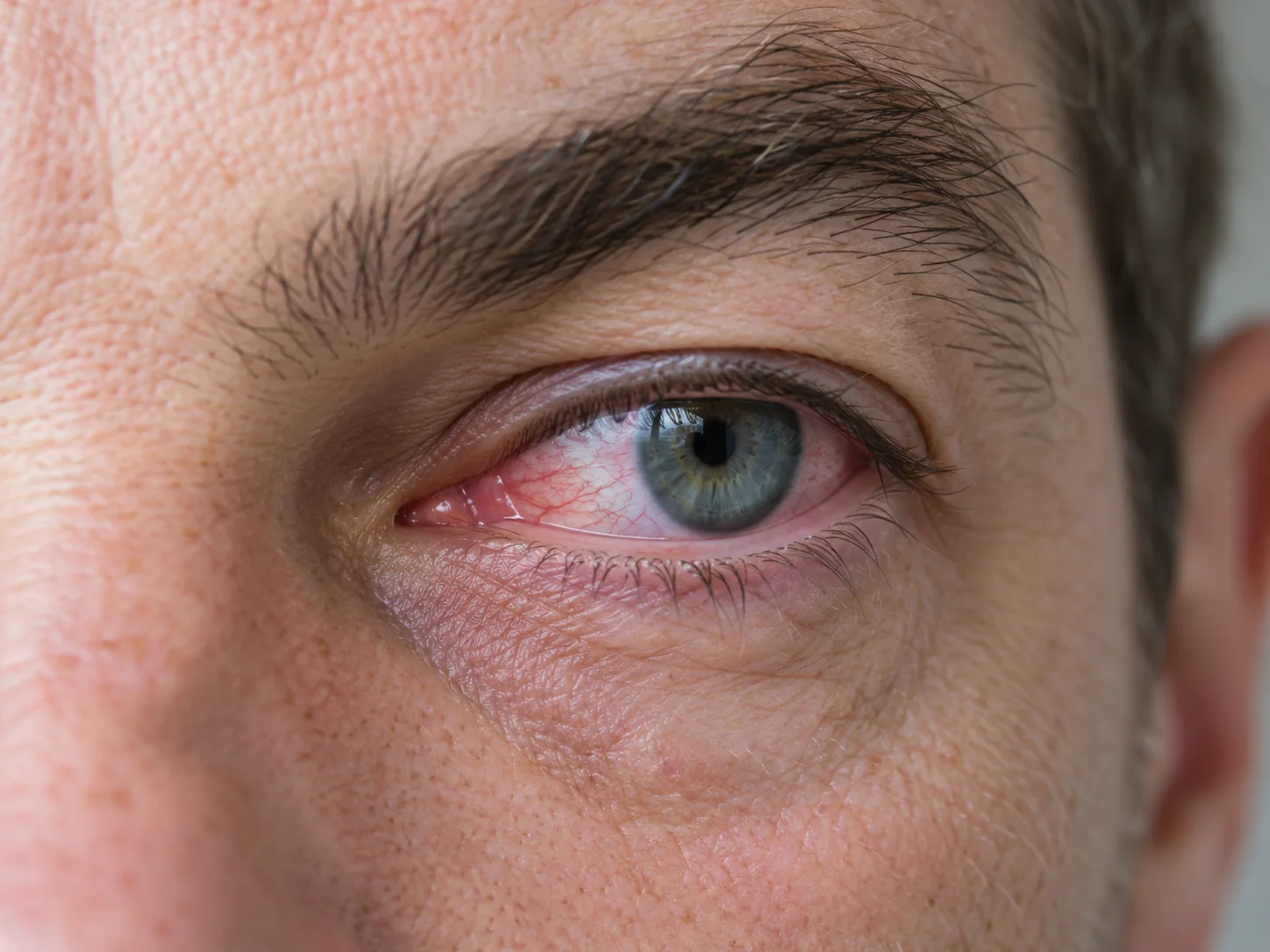
Rubbing itchy eyes outdoors
Lead symptom
Itching, both eyes
Triggers
Pollen, dust, pets, mold
Treated with
Allergy drops + trigger control
Caution
Eye rubbing harms corneas

Typical allergy pattern

  • Intense itching, often at the inner corners
  • Watery eyes and puffy lids
  • Both eyes at once
  • Flares with seasons, dust, or specific places
  • A history of hay fever, asthma or eczema

Why rubbing matters

Keratoconus is more likely to progress in people who rub their eyes or have allergy or atopy. Controlling the itch is not just comfort — it protects the cornea, especially in children and teens.

Care

Breaking the itch-rub cycle.
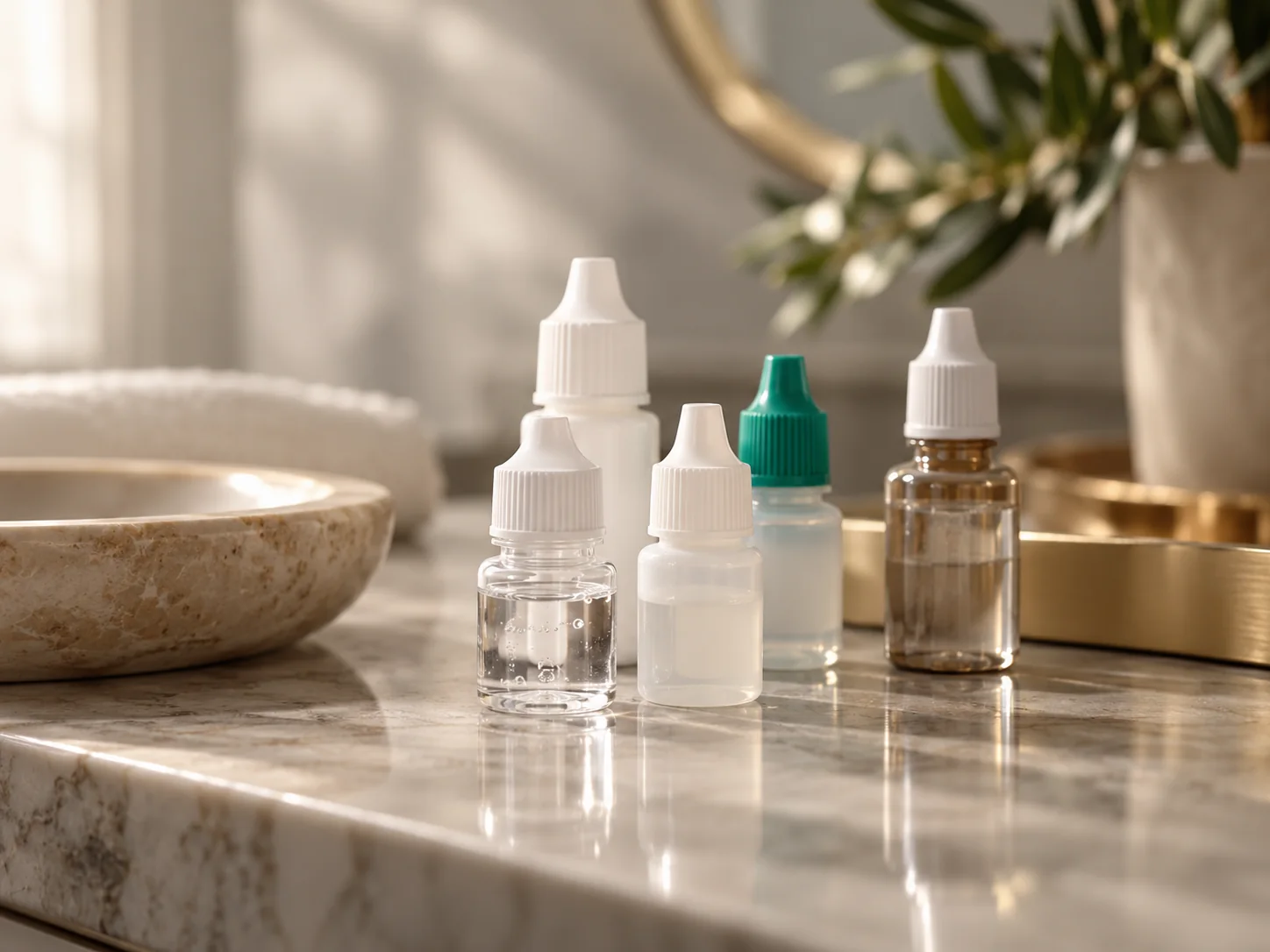
Allergy eye drops
  • Prescription-strength allergy drops that work better than the redness removers on the shelf
  • Cool compresses and preservative-free tears to wash allergen off the surface
  • Trigger control: filters, bedding, washing hands and face after outdoor time
  • Treating the dry eye that often coexists: an unstable tear film lets allergens linger

If itching is severe in a child who rubs constantly, our eye doctors in Los Angeles also examine the cornea: allergy, rubbing and keratoconus travel together.

Not sure it’s allergy?

Itch points to allergy. Pain points elsewhere.

  • Painful or light-sensitive eyes need a same-day exam
  • Thick discharge suggests infection rather than allergy
  • One-sided redness deserves a closer look
Urgent eye care

Common questions

Eye allergies, answered.

Anything else, call the office at 310-828-2010.

  • Itching in both eyes, watery discharge and seasonal timing point to allergy. Infections tend to produce thicker discharge; viruses often follow a cold.

  • Sometimes — but redness-remover drops can rebound, and prescription options control the itch better. An exam matches the drop to the problem.

  • Yes. Beyond comfort, chronic rubbing stresses the cornea and is a risk factor for keratoconus progression. It’s worth treating properly.

  • Yes, in two ways. Allergy inflames the surface of the eye, which can bring on dry eye, and the oral antihistamines taken for sneezing reduce tear production. Allergy eye drops, which can combine an antihistamine with a mast-cell stabilizer, treat the itch at the eye itself; when dryness persists, the two conditions are treated together.

  • Yes. Allergic conjunctivitis is a type of pink eye: the layer over the white of the eye is inflamed, so the eye reddens and waters. Unlike viral or bacterial pink eye, it is not contagious, it can itch intensely, it usually affects both eyes, and it flares with high pollen counts, dust mites or pet dander.

  • Allergens that reach the eye's surface: pollen from trees, grasses and weeds, dust mites, mold, pet dander, and sometimes medicines or cosmetics. The allergic reaction, including histamine released from mast cells, brings itching, watering, redness and swelling. Pollen causes seasonal flares and indoor allergens year-round symptoms, and in Los Angeles the pollen season barely ends.

Also consider

Next step

Stop the itch properly.

Book an exam and get allergy treatment that actually matches the cause.

Book Today Or call 310-828-2010