
Same-day urgent eye care
Mon 10–5 · Tue–Fri 8–5 310-828-2010 Book online Intake form
Cohenmehr Optometry — Vision · Dry Eye · Keratoconus Book appointment
Cohenmehr OptometryVision · Dry Eye · Keratoconus Center
Our Practice
Meet the Doctors TestimonialsShare FeedbackTraveling to See UsAreas We Serve Hours & Directions
Eye Care

Routine care

Comprehensive Eye CareContact Lens ExamsComputer Vision SyndromeGlasses and Contact LensesNeurolensAdvanced Diagnostics

Medical eye care

Glaucoma & Ocular DiseaseDiabetic Eye ExamsMacular Degeneration CareLow VisionStye & Chalazion TreatmentUrgent Care

Children’s vision

Pediatric Eye ExamsMyopia ManagementAtropineOrtho-KEssilor Stellest LensesVision Therapy

Surgery co-management

Surgical Co-ManagementLASIKPRKSMILEEVO ICLRefractive Lens ExchangeCataract SurgeryCorneal TransplantPterygium Surgery
Dry Eye
The Dry Eye CenterOptiLIFTIPL (Intense Pulsed Light)Punctal PlugsBlephExAmniotic MembranesPrescription DropsAutologous Serum DropsMeibomian Gland ProbingIPL for Rosacea

Understand

Types of Dry EyeThe Tear FilmDemodex BlepharitisDry Eye After LASIKMenopause & Dry EyeSjögren’s & Dry EyeContact Lens Discomfort

Cosmetics

Upneeq® · Buy OnlineUpneeq Intake Form
Myopia Control
The Myopia ProgramMyopia Estimator — free toolOrtho-K — $1,500 totalAtropineStellest LensesMultifocal ContactsMiSight 1 Day

For parents

Choosing a TreatmentWhy Myopia MattersOutdoor Time & ScreensFirst Ortho-K NightMeasuring Progression
Keratoconus
The Keratoconus CenterScleral Contact LensesSpecialty Contact LensesScleral Lens UsesEaglet Surface ProfilerScleral Lens Care

Go deeper

Eye Rubbing & KeratoconusKeratoconus in TeensCorneal HydropsTransplant Co-Management
Scleral Lenses

The lenses

Scleral Contact LensesEvery Use, at a GlanceEaglet Surface ProfilerScleral vs RGP vs HybridSpecialty Contact LensesSpecialty Soft & ProstheticLens Care & HandlingTraveling to See Us

Corneal conditions

KeratoconusPost-LASIK EctasiaPellucid Marginal DegenerationCorneal ScarringAfter Corneal TransplantAfter Radial Keratotomy (RK)Post-Surgical ComplicationsOcular Shingles Scarring

Surface disease & more

Severe Dry EyeSjögren’s SyndromeStevens-Johnson SyndromeGraft-vs-Host DiseaseBell’s Palsy & ExposureRare Tear DeficiencyPresbyopia & High RxSports & Active Wear
Library
Start With a SymptomEye Conditions A–ZArticlesFree ToolsFull Site Index

Patients

Patient Intake FormCommon QuestionsAccepted InsurancePaying for Care (FSA/HSA)
Call the office310-828-2010
Book appointment

Medically reviewed by Dr. Bijan Cohenmehr, OD Last reviewed

Eye Stye: Symptoms, Causes & Home Care

A tender bump at the lash line.

A stye (hordeolum) is a blocked, infected gland at the edge of the eyelid — a red, tender bump that appears fast and hurts to touch. Its painless cousin, the chalazion, sits deeper in the lid. Both come from the same oil glands, which is why people who get one often get the other.
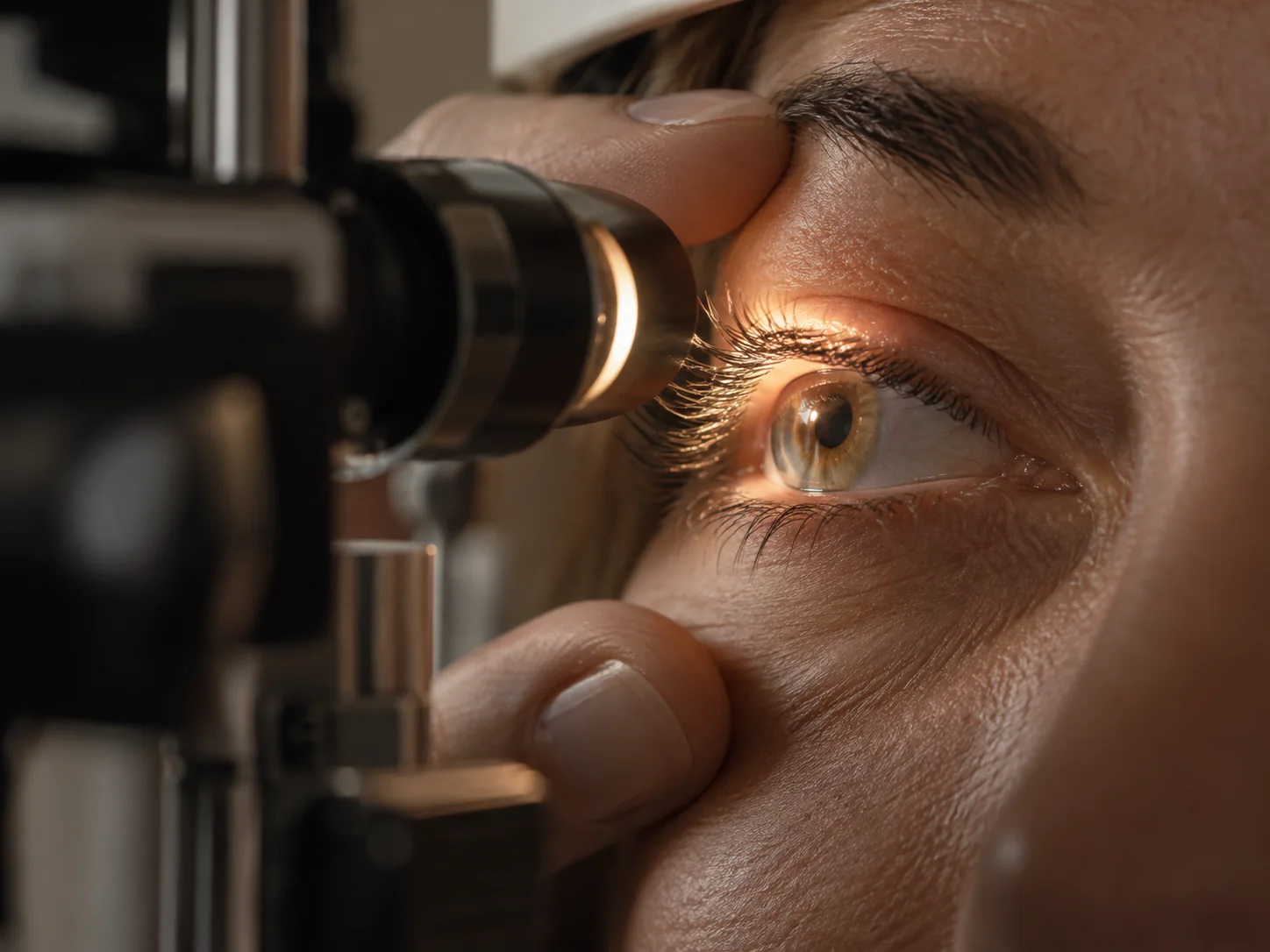
A tender bump at the eyelid margin
Feels
Tender, red, fast-growing
Versus chalazion
Chalazia are painless, deeper
Home care
Warm compresses, hands off
Seen
Same-day for painful lids

Do and don’t

  • Do apply steady warm compresses several times a day
  • Do keep hands and makeup away from the lid
  • Don’t squeeze or pop it — that spreads inflammation
  • Don’t sleep in contact lenses while it heals
  • See us the same day if pain grows or redness spreads

Why they recur

Frequent styes usually mean blepharitis, ocular rosacea or meibomian gland dysfunction underneath. Treat the lid margin disease and the styes stop returning.

In-office care

When home care isn’t enough.

A stye that won’t drain, keeps growing, or blurs vision needs an exam. We confirm it isn’t a chalazion or something else, treat infection when present and, for repeat offenders, image the meibomian glands and treat the underlying lid disease with lid care, exfoliation or IPL. Our stye and chalazion treatment page walks through each step.

Chronic styes

Rosacea, MGD, and why styes keep returning.
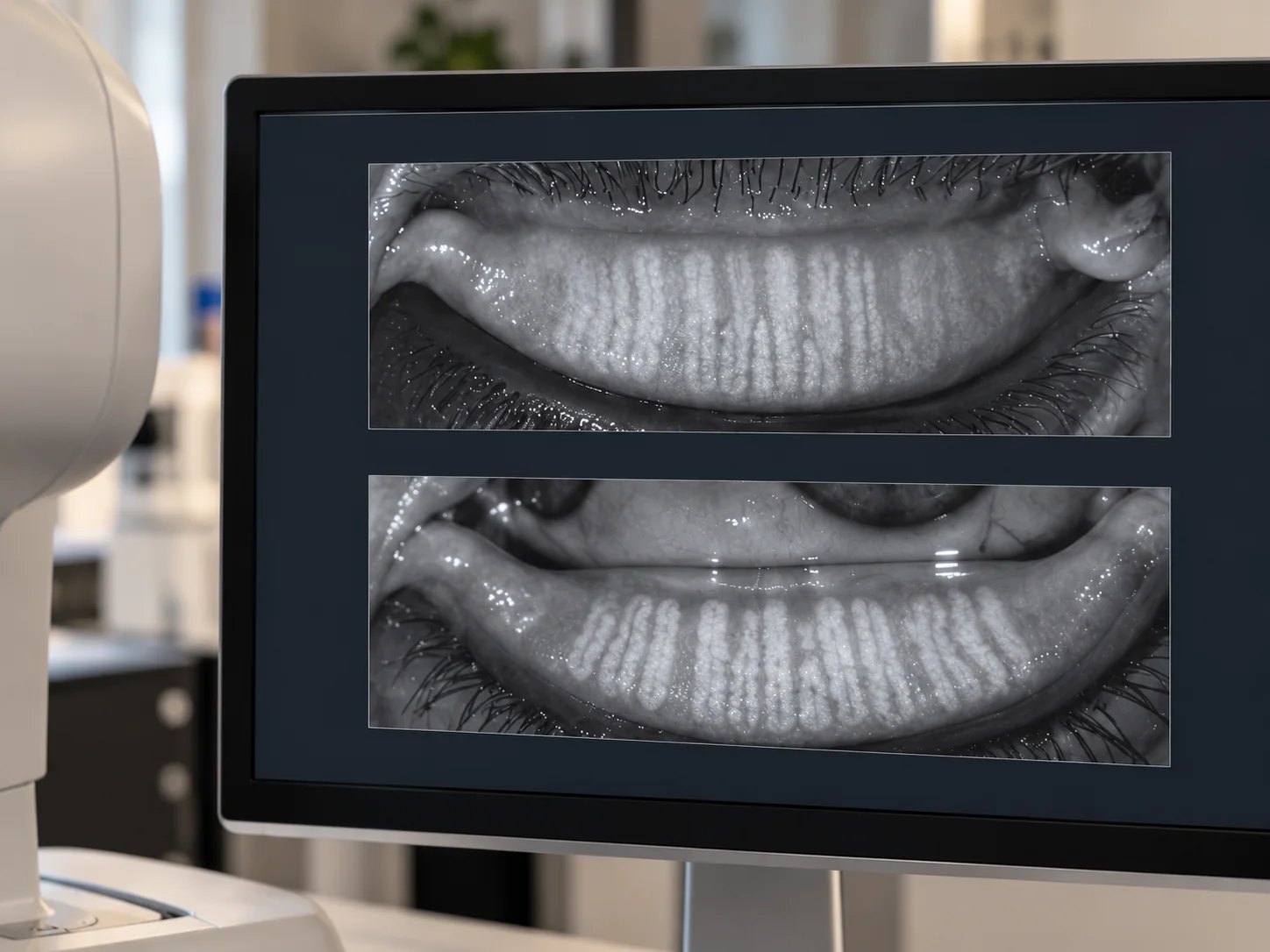
Meibography of blocked lid glands

One stye is bad luck. A stye every few months is a pattern, and the pattern almost always runs through the oil glands. Rosacea inflames the eyelid margins; inflamed glands thicken and block; blocked glands are exactly where styes and chalazia form. That chain is meibomian gland dysfunction, and until it is treated, the lid keeps producing new bumps.

  • Rosacea inflames the lid margin and its small blood vessels
  • Inflamed meibomian glands thicken, clog and stagnate
  • Blocked glands become the launch sites for styes and chalazia
  • Each episode scars the gland a little more, a reason to act early

This is why our eye doctors in Los Angeles treat chronic styes with the dry eye toolkit rather than compress after compress: meibography to grade the glands, then IPL to close the abnormal vessels feeding the inflammation and restore oil flow. Patients on an IPL program often notice fewer styes and eyelid flare-ups — treating the source lowers how often new ones form.

IPL has a second benefit for stye-prone lids: it helps destroy Demodex, the eyelash mites whose overgrowth drives a stubborn form of blepharitis. With fewer mites, the lid margins calm down and fewer glands block.

How the IPL program works →

Same-day care

Styes are on our same-day list.

  • Painful lid bumps are seen the same day
  • Spreading redness around the eye deserves urgent attention
Call 310-828-2010

Common questions

Styes, answered.

Anything else, call the office at 310-828-2010.

  • With warm compresses, most drain and settle within a week or two. Ones that persist become chalazia and may need in-office care.

  • Not meaningfully — but hand hygiene matters, and makeup or lenses used during a stye should be replaced or disinfected.

  • Recurring styes point to lid-margin disease: blepharitis, rosacea, or blocked oil glands. That’s treatable.

  • A stye (hordeolum) is an infection of an oil gland at the edge of the eyelid, usually from staph bacteria. It shows up as a red, swollen bump that is tender to touch, sometimes with tearing, crusting or a feeling that something is in your eye. Its painless cousin, the chalazion, sits deeper in the lid and comes from the same glands.

  • Most styes start when staph bacteria infect an oil gland at the edge of the lid. Blepharitis, ocular rosacea and meibomian gland dysfunction make the glands block more often, which is why some people get stye after stye while others never do. Contact lens wear, poor hygiene such as touching your eyes with unwashed hands, and old or contaminated eye makeup add to the risk.

  • No. Don’t squeeze a stye or try to drain it yourself; hold a warm, wet cloth on the closed lid for 5 to 10 minutes several times a day instead, and most go away on their own. If one keeps growing or lingers past a week or two, we see you the same day, and if the redness spreads beyond the eyelid, call us right away or go to an emergency room when we’re closed. Our stye and chalazion treatment page explains what we do next.

Also consider

Next step

A painful lid deserves a same-day look.

Call the office. Styes are one of the problems we always fit in.

Call 310-828-2010 Or book online