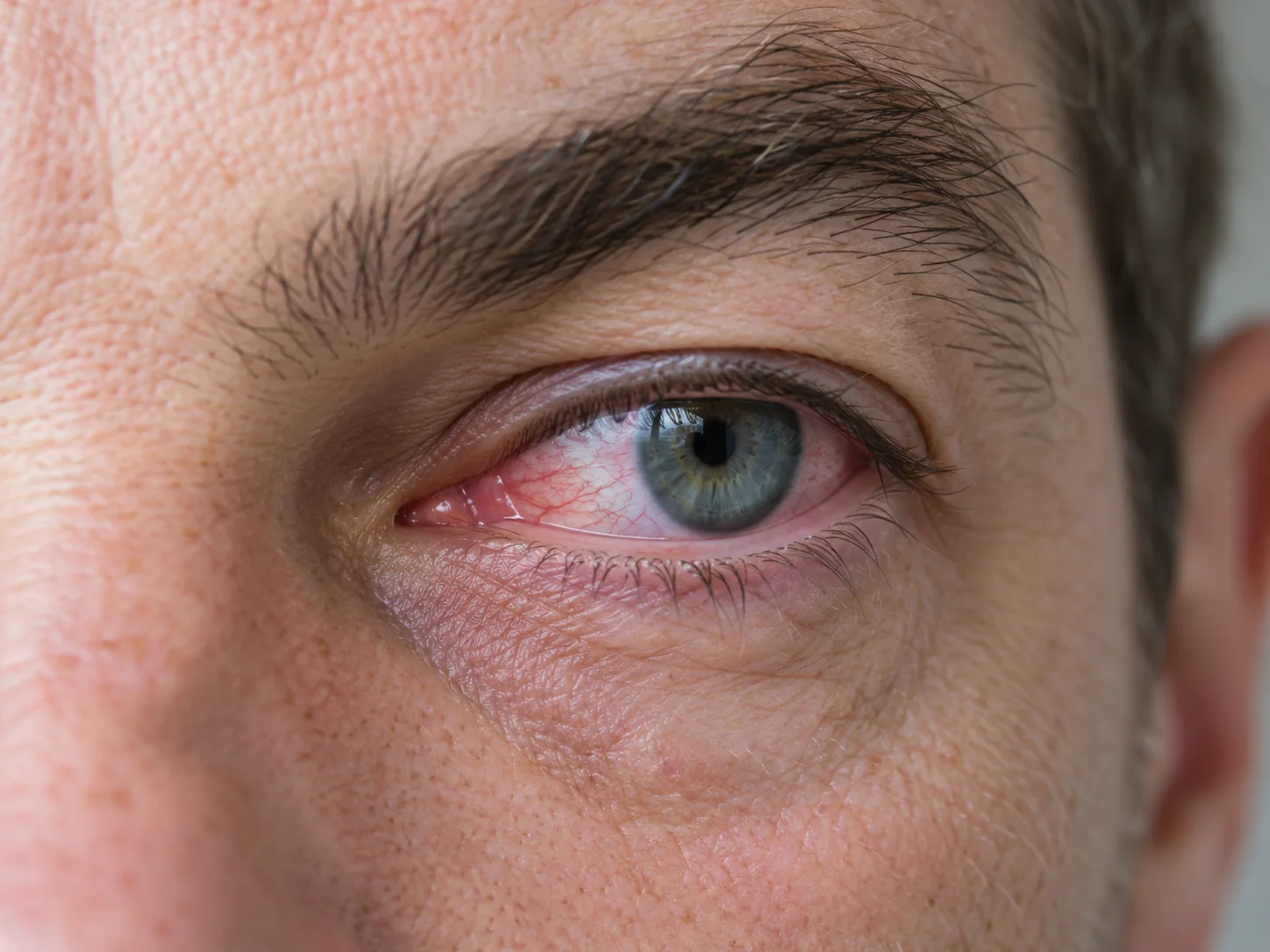
Three different diseases hide behind one pink eye.
Conjunctivitis means the thin membrane over the white of the eye is inflamed. Viruses, bacteria and allergies all cause it, they look alike at a glance, and they are treated differently — which is why a red eye that persists deserves an exam rather than a guess.
Intense itching with both eyes involved points allergic
One eye vs. both, crusting pattern, and how it started all matter
Why guessing is risky
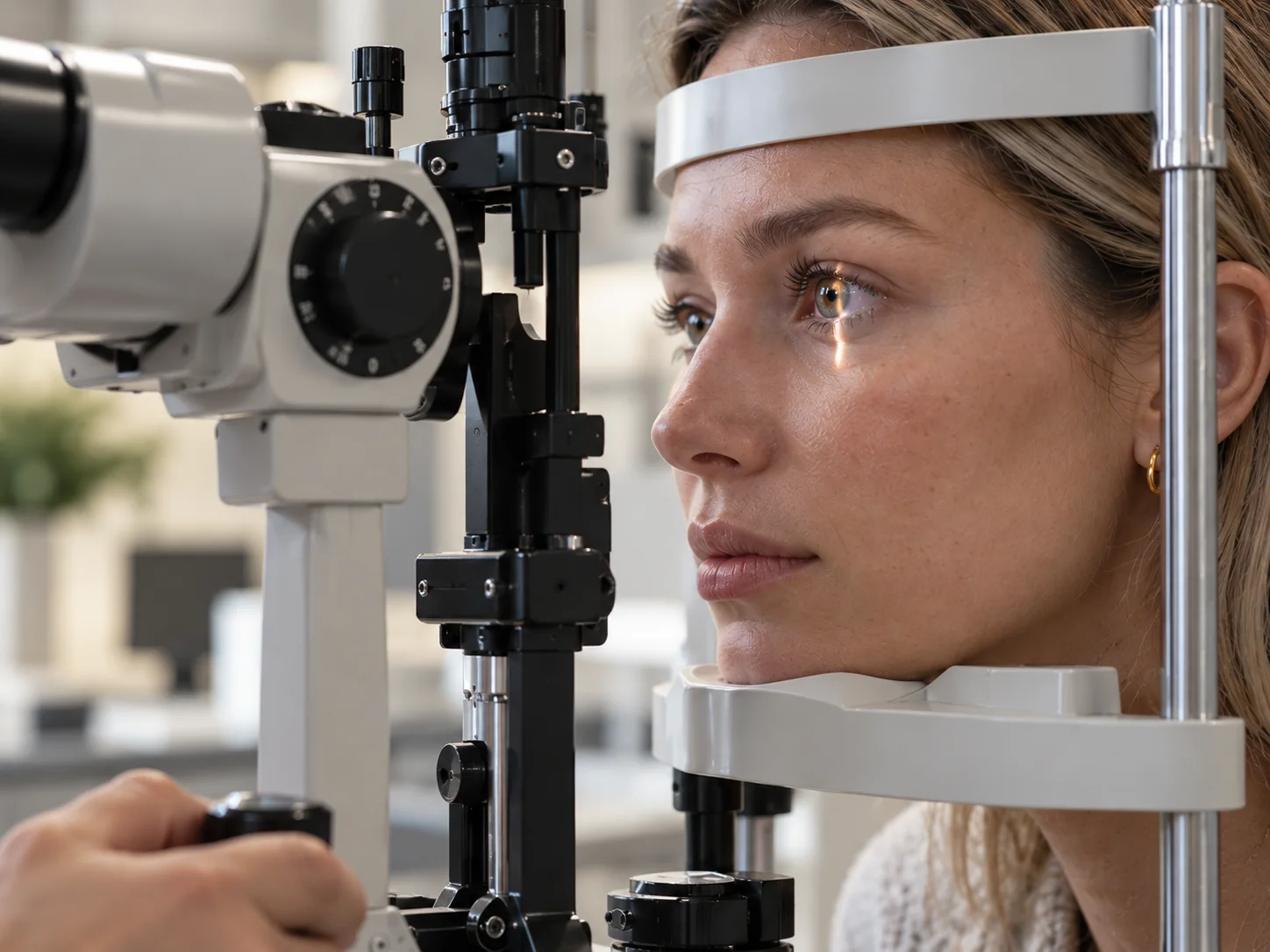
Antibiotic drops do nothing for a virus or an allergy, and some red eyes are not conjunctivitis at all — keratitis and uveitis can look similar and threaten vision. Our Los Angeles eye doctors diagnose and treat red eye the same day.
Viral: comfort care while it runs its course, with lubricants, cool compresses and strict hand hygiene to protect the other eye and other people
Bacterial: antibiotic drops when the exam supports them
Allergic: allergy drops and trigger control, often alongside dry eye care
Contact lens wearers: lenses stay out until the eye is clear; lens-related infections are treated differently
If there is pain, marked light sensitivity, or any change in vision, the visit becomes urgent: those are signs the cornea or deeper structures are involved.
Same-day care
Red eye is one of the six problems we see same-day.
Conjunctivitis (bacterial, viral, or allergic)
Keratitis
Uveitis
Subconjunctival hemorrhage
Accurate diagnosis ensures appropriate and effective treatment.
Viral and bacterial forms are contagious while the eye is red and weeping — roughly as long as symptoms last. Hand hygiene and separate towels protect your household.
No — leave lenses out until the eye is examined and clear, and replace the lens case.
When there is pain, light sensitivity, vision change, trauma, or you wear contact lenses. Call for a same-day visit.
Most pink eye is viral and often arrives with or after a cold. It spreads by hands, towels, pillowcases and shared makeup, and bacterial pink eye spreads the same way. Allergic pink eye comes from pollen, dust or pet dander and cannot be passed to anyone. Contact lens wearers get red eyes more often, and a lens-related red eye needs a same-day exam because keratitis can look identical.
Viral pink eye usually clears on its own in one to two weeks, occasionally three. Bacterial pink eye often improves within two to five days, and antibiotic drops can shorten it. Allergic pink eye lasts as long as the exposure does and settles with allergy drops. A red eye that is not improving after a few days, or that hurts, needs an exam.
The white of the eye turns pink or red, the lids may puff, and the eye waters or produces discharge: watery with viruses and allergies, thick and sticky with bacteria, often gluing the lashes shut overnight. Itching points toward allergy. Pain, light sensitivity or blurred vision are not typical of pink eye and mean something deeper has to be ruled out the same day.
Treatment follows the cause, which is why we look first. Viral pink eye runs its course with cool compresses and lubricating drops; antibiotics do nothing for it. Bacterial pink eye is treated with antibiotic drops. Allergic pink eye settles with antihistamine or mast-cell-stabilizer drops and avoiding the trigger. Wash hands often and keep towels separate while the eye is red. Red eye is one of the problems we see the same day at urgent eye care.
Also consider
Next step
Don’t guess at a red eye.
Same-day appointments are available. Call the office and be seen today.