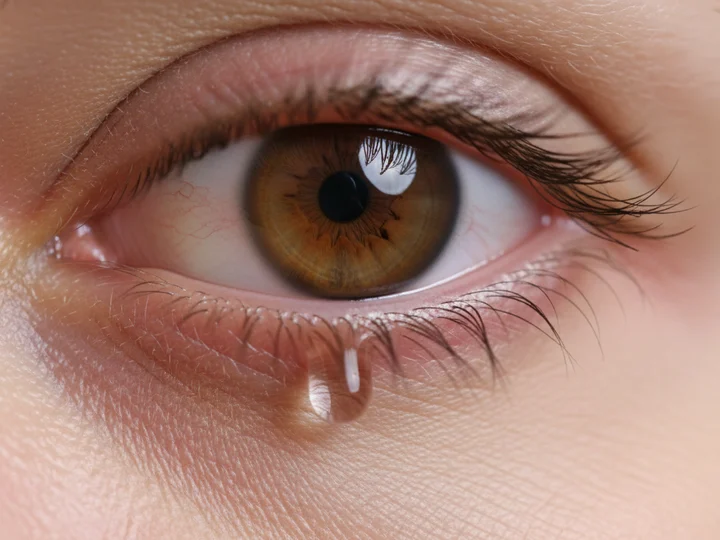
Eye drops for red eyes, sold as redness relievers, narrow blood vessels to take the red out of the eye. They ease the redness without treating whatever is causing it. Labels for tetrahydrozoline drops warn that overuse may cause more eye redness, while Lumify (brimonidine 0.025%) showed no rebound redness in the clinical trials the FDA reviewed. If dryness is behind the redness, artificial tears treat the dryness, and if allergies make your eyes itch, an antihistamine drop relieves the itch. A red eye that hurts, blurs your vision or is sensitive to light needs a same-day exam; when we're closed, go to an emergency room. Our dry eye home care guide covers everyday care.
Key takeaways
- Lumify and other redness relievers narrow the eye's blood vessels so it looks less red, and they leave the cause of the redness untreated.
- Overusing redness relievers with tetrahydrozoline may cause more redness, their labels warn, while Lumify showed no rebound redness in the trials the FDA reviewed.
- Match the drop to the cause, with artificial tears for dryness, an antihistamine drop for allergy itch and a redness reliever for occasional minor irritation.
- A red eye that hurts, blurs your vision or is sensitive to light needs a same-day exam, or an emergency room when we're closed.
01
How do eye drops for red eyes work?
Redness relievers are vasoconstrictors, drops that narrow blood vessels. The FDA's review of Lumify describes that vasoconstrictive effect as the way it relieves redness, and the label lists a single use: relief of eye redness due to minor eye irritations.
On its own, a redness reliever doesn't treat dryness, allergy, infection or inflammation. It can make an inflamed eye look calmer while the inflammation continues, one reason a painful red eye should never be self-diagnosed; see our page on uveitis.
02
Which eye drops work for red eyes?
The right drop depends on why your eyes are red:
| Type of drop | Example (active ingredient) | Label says it's for |
|---|---|---|
| Redness reliever | Visine Red Eye Comfort (tetrahydrozoline 0.05%) | Redness of the eye due to minor eye irritations |
| Redness reliever | Lumify (brimonidine 0.025%) | Redness of the eye due to minor eye irritations |
| Antihistamine plus redness reliever | Visine Allergy Eye Relief Multi-Action (naphazoline 0.025% and pheniramine 0.3%) | Itchy, red eyes due to pollen, ragweed, grass, animal hair and dander |
| Antihistamine | Pataday Once Daily Relief (olopatadine 0.2%) or Zaditor (ketotifen 0.025%) | Itchy eyes due to pollen, ragweed, grass, animal hair and dander |
| Lubricant (artificial tears) | Refresh Plus (carboxymethylcellulose 0.5%), preservative-free | Burning, irritation and discomfort due to dryness of the eye or exposure to wind or sun |
We name brands only as examples; the active ingredient on the box tells you which kind of drop you're holding.
Red eyes are one of the symptoms of dry eye, and when dryness is the cause, artificial tears treat it directly. When itching is the main complaint in allergy season, use an antihistamine drop, which is labeled to relieve itchy eyes. Redness relievers fit the occasional red eye from a minor irritation, which is the use their labels describe.
03
What is rebound redness from eye drops?
Rebound redness is extra redness caused by using a redness reliever too often. Labels for tetrahydrozoline and naphazoline drops put it plainly: overuse may cause more eye redness.
The same labels say to stop and ask a doctor if redness or irritation lasts, or if the condition gets worse or lasts more than 72 hours. Redness that outlasts a few days of drops needs an exam to find its cause.
Lumify was tested for rebound. In the clinical trials FDA reviewers evaluated for over-the-counter use, brimonidine 0.025% did not show rebound congestion or tachyphylaxis (a drop losing its effect with repeated use). Its label has no overuse warning, though it does say not to use it more than 4 times a day and to stop and ask a doctor if redness continues or the problem lasts more than 3 days.
04
What are Lumify's side effects?
In the trials the FDA reviewed, about as many people using Lumify reported an adverse event (any new health problem during the study) as people using the same drop without brimonidine: 22.5% and 21.5%. The most common ones involved the eye: 4.0% of people using Lumify had reduced sharpness of vision, 2.6% had eye redness and 1.6% had pain where the drop went in, compared with 4.3%, 2.9% and 1.9% with the drop without brimonidine. The reviewers found no safety concerns, including sleepiness, in the children (age 5 and up), adults and older adults studied.
The label adds these cautions:
- Use 1 drop in the affected eye every 6 to 8 hours, no more than 4 times a day.
- Stop using it and ask a doctor if you have eye pain, changes in vision, or continued redness or irritation, or if the condition worsens or lasts more than 3 days.
- Take contact lenses out before use, and wait at least 10 minutes before putting them back in.
- Ask a doctor before using it in children under 5.
- If you're pregnant or breast-feeding, ask a health professional before use.
- Keep it out of reach of children. If it's swallowed, get medical help or contact a Poison Control Center right away.
05
Who should ask a doctor before using redness-relief drops?
- People with narrow-angle glaucoma. Tetrahydrozoline and naphazoline labels say to ask a doctor first, and they warn that the pupils may become enlarged for a while. If you've been told you have narrow angles, mention it before using one.
- People with heart disease, high blood pressure or trouble urinating, before using the naphazoline and pheniramine combination.
- Parents of young children. Tetrahydrozoline drops are not for children under 2 and need a doctor's advice under 6, and Lumify needs a doctor's advice under 5. The labels say to keep the bottle out of children's reach and to get medical help or call Poison Control right away if it's swallowed. The naphazoline combination's label adds that swallowing it can lead to coma and a marked drop in body temperature in infants and children.
06
When does a red eye need a doctor instead of drops?
Call us at 310-828-2010 for a same-day visit if a red eye comes with any of these:
- Eye pain
- Sensitivity to light
- Blurred vision that doesn't improve when you wipe discharge away
- Intense redness
- Symptoms that get worse or don't improve
- A weakened immune system
If you wear contact lenses, take them out first and call us right away: in a lens wearer, red, irritated eyes, pain, light sensitivity or sudden blurry vision can mean an infection. A newborn with pink eye symptoms should see a doctor right away. We see urgent eye problems the same day during office hours, Monday 10am to 5pm and Tuesday to Friday 8am to 5pm; when we're closed, go to an emergency room for any of the problems above.
Some red eyes can't wait:
- Call 911 for sudden loss of vision in one or both eyes, even if it comes back; sudden double vision; double vision or a droopy eyelid that comes with a pupil that looks different, eye pain or a severe headache; or any change in vision with face drooping, arm weakness or trouble speaking. These can be signs of a stroke or another brain or nerve emergency.
- Call us immediately for a same-day exam if a red eye comes with severe eye pain plus a headache, nausea, blurred vision or halos around lights. These can be signs of angle-closure glaucoma, a medical emergency that can cause blindness in just a few days if it isn't treated. When we're closed, go to an emergency room.
- For a chemical splash, rinse first: start flushing the eye right away with lots of room-temperature water, take out contact lenses as soon as you can, and keep rinsing for at least 15 to 20 minutes. Then call Poison Control at 1-800-222-1222, and call us or go to an emergency room.
- If something is stuck in your eye, don't rub it: call us and come straight in, or go to an emergency room when we're closed. If something has cut or pierced the eye, don't rinse it or try to remove anything; protect the eye without pressing on it and go to the emergency room.
07
How we treat red eyes at Cohenmehr Optometry
Red eyes that keep coming back have a cause, and an exam is how our optometrists in Los Angeles find it. Because redness is one of the symptoms of dry eye, that exam can include a dry eye evaluation: we image the meibomian glands, the oil glands along the eyelids, and check tear film stability and the health of the eye's surface.
Treatment follows what we find:
- Inflamed lid margins and oil glands: IPL, gentle pulses of light that melt thick oils and close the leaky vessels feeding inflammation, followed by gland expression.
- Blepharitis: lid hygiene at home and in-office lid exfoliation with BlephEx, often used for red, itchy, crusty lid margins.
- Allergies: prescription allergy drops and help with trigger control; see our guide to eye allergies.
- A red eye that hurts or is sensitive to light: a same-day visit with a slit lamp exam and an eye pressure check, or an emergency room when we're closed.
Bring every drop you use, including redness relievers, to your visit.
08
Questions patients ask
Can you use redness relief drops with contact lenses?
Not with the lenses in. Redness relievers such as tetrahydrozoline tell you to take contact lenses out before using them, and Lumify adds a wait of at least 10 minutes before you put them back. Don't put a lens back into a red eye, either: the Pataday label says not to wear one if your eye is red. Red, irritated eyes can be a sign of a lens-related infection, so take the lens out and call us right away for a same-day exam, or go to an emergency room when we're closed.
Why are my eyes dry and itchy?
Allergies and dry eye often show up together. Allergies make eyes itch, and some medicines that treat colds and allergies can cause dry eye as a side effect. Dry eye can also feel scratchy or burn on its own, and it can itch too: our dry eye page lists itching among its symptoms. Artificial tears ease dryness and can rinse allergens off the eye, while an antihistamine drop relieves the itch. If both keep coming back, our eye allergies page explains how we treat them together.
What allergy eye drops can kids use?
Check the age on the label. Pataday Once Daily Relief (olopatadine) is labeled for children 2 and older and Zaditor (ketotifen) for children 3 and older; for younger children, both labels say to consult a doctor. Redness relievers start later: 5 for Lumify, and 6 for tetrahydrozoline drops and the naphazoline and pheniramine combination without a doctor's advice. Store all eye drops out of children's reach. A child who rubs itchy eyes all the time should have an exam; see pediatric eye exams.
Do antibiotic eye drops help red eyes?
Only when bacteria are the cause. Antibiotics will not improve viral pink eye, and allergic pink eye usually improves once the allergen is removed. Antibiotics may be needed when there is discharge (pus), when you have a weakened immune system, or when certain bacteria are suspected, and mild bacterial pink eye may get better without them. Redness relievers don't treat infection either, so an exam comes first; see our page on pink eye.
09
Sources
- FDA: Lumify (brimonidine 0.025%) review
- DailyMed: Visine Red Eye Comfort label
- DailyMed: Lumify label
- DailyMed: Visine Allergy Eye Relief Multi-Action label
- DailyMed: Pataday Once Daily Relief label
- DailyMed: Zaditor label
- DailyMed: Refresh Plus label
- National Eye Institute: Dry eye
- CDC: How to treat pink eye
- CDC: Contact lens-related eye infections
- American Stroke Association: Stroke symptoms
- National Eye Institute: Types of glaucoma
- Poison Control: Splashed a poison in your eye?
- American Optometric Association: Conjunctivitis
- National Eye Institute: Causes of dry eye

Written by
Dr. Bijan Cohenmehr, OD
Founder of Cohenmehr Optometry, in practice for over 40 years. He leads the practice’s dry eye care and myopia management. A graduate of SUNY College of Optometry.
About Dr. Bijan →