Same-day urgent eye care
Mon 10–5 · Tue–Fri 8–5 310-828-2010 Book online Intake form
Cohenmehr Optometry — Vision · Dry Eye · Keratoconus Book appointment
Cohenmehr OptometryVision · Dry Eye · Keratoconus Center
Our Practice
Meet the Doctors TestimonialsShare FeedbackTraveling to See UsAreas We Serve Hours & Directions
Eye Care

Routine care

Comprehensive Eye CareContact Lens ExamsComputer Vision SyndromeGlasses and Contact LensesNeurolensAdvanced Diagnostics

Medical eye care

Glaucoma & Ocular DiseaseDiabetic Eye ExamsMacular Degeneration CareLow VisionStye & Chalazion TreatmentUrgent Care

Children’s vision

Pediatric Eye ExamsMyopia ManagementAtropineOrtho-KEssilor Stellest LensesVision Therapy

Surgery co-management

Surgical Co-ManagementLASIKPRKSMILEEVO ICLRefractive Lens ExchangeCataract SurgeryCorneal TransplantPterygium Surgery
Dry Eye
The Dry Eye CenterOptiLIFTIPL (Intense Pulsed Light)Punctal PlugsBlephExAmniotic MembranesPrescription DropsAutologous Serum DropsMeibomian Gland ProbingIPL for Rosacea

Understand

Types of Dry EyeThe Tear FilmDemodex BlepharitisDry Eye After LASIKMenopause & Dry EyeSjögren’s & Dry EyeContact Lens Discomfort

Cosmetics

Upneeq® · Buy OnlineUpneeq Intake Form
Myopia Control
The Myopia ProgramMyopia Estimator — free toolOrtho-K — $1,500 totalAtropineStellest LensesMultifocal ContactsMiSight 1 Day

For parents

Choosing a TreatmentWhy Myopia MattersOutdoor Time & ScreensFirst Ortho-K NightMeasuring Progression
Keratoconus
The Keratoconus CenterScleral Contact LensesSpecialty Contact LensesScleral Lens UsesEaglet Surface ProfilerScleral Lens Care

Go deeper

Eye Rubbing & KeratoconusKeratoconus in TeensCorneal HydropsTransplant Co-Management
Scleral Lenses

The lenses

Scleral Contact LensesEvery Use, at a GlanceEaglet Surface ProfilerScleral vs RGP vs HybridSpecialty Contact LensesSpecialty Soft & ProstheticLens Care & HandlingTraveling to See Us

Corneal conditions

KeratoconusPost-LASIK EctasiaPellucid Marginal DegenerationCorneal ScarringAfter Corneal TransplantAfter Radial Keratotomy (RK)Post-Surgical ComplicationsOcular Shingles Scarring

Surface disease & more

Severe Dry EyeSjögren’s SyndromeStevens-Johnson SyndromeGraft-vs-Host DiseaseBell’s Palsy & ExposureRare Tear DeficiencyPresbyopia & High RxSports & Active Wear
Library
Start With a SymptomEye Conditions A–ZArticlesFree ToolsFull Site Index

Patients

Patient Intake FormCommon QuestionsAccepted InsurancePaying for Care (FSA/HSA)
Call the office310-828-2010
Book appointment

Medically reviewed by Dr. Kevin Cohenmehr, OD Last reviewed

Corneal Abrasion: Symptoms, Causes & Treatment

Small scratch. Enormous opinion.

The cornea is packed with nerve endings, so even a tiny scratch — a fingernail, a branch, grit under a lens — can feel like broken glass with every blink. Most abrasions heal fast with the right care; the job is ruling out worse and preventing infection.

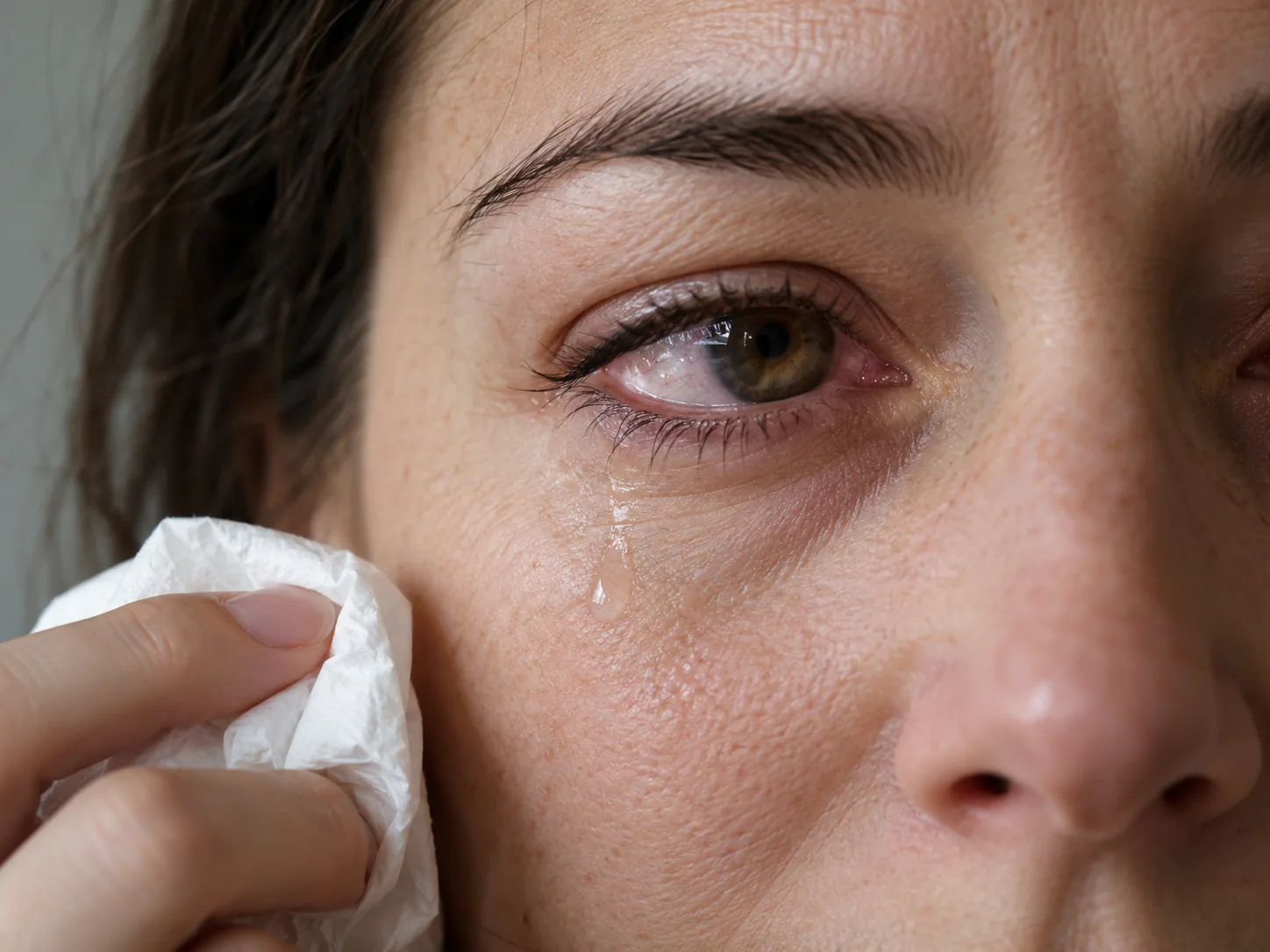
An irritated, tearing eye
Feels like
Sharp pain, tearing, light sensitivity
Heals in
Often 24–72 hours with care
Risk
Infection; recurrent erosion
Seen
Same day, always

What to do right now

  • Don’t rub the eye, and leave contact lenses out
  • Don’t patch it yourself or use leftover drops
  • Blink; don’t fish for debris you can’t see
  • If chemicals are involved, flush with clean water immediately and seek urgent help
  • Call us — scratches are same-day visits

When a scratch keeps returning

A scratch that re-opens weeks later — classically on waking — is recurrent erosion: the surface never re-anchored. That has its own treatment path, including amniotic membranes.

In-office care

Confirm, protect, heal.

  • Slit lamp exam with diagnostic dye to see the scratch and rule out deeper injury or a foreign body
  • Antibiotic drops to prevent infection while the surface closes
  • Comfort strategies, plus a bandage contact lens when appropriate
  • Follow-up to confirm full healing, especially for lens wearers

Urgent by definition

Eye pain is never normal.

  • Same-day appointments for eye pain and injuries
  • Contact lens-related scratches carry higher infection risk, so don’t wait
Call 310-828-2010

Common questions

Corneal abrasion, answered.

Anything else, call the office at 310-828-2010.

  • Superficial abrasions usually heal without a trace. Deep or infected ones can scar — which is why same-day care matters.

  • No. Lenses stay out until we confirm the surface has closed.

  • The cornea has among the densest nerve supplies in the body. Small injury, loud alarm.

  • Many heal within 24 to 48 hours, because the cornea's surface layer regrows quickly, though some take longer. Finish the drops and keep contacts out until we confirm the cornea has closed; the doctor usually rechecks the eye within a day. Occasionally a scratch doesn't heal completely or correctly and keeps re-opening over months or years. That is recurrent erosion, and it has its own treatment, including amniotic membranes.

  • We put fluorescein dye in the eye and look under blue light at the slit lamp to see the scratch, measure its size and depth, and check for a foreign body. Treatment is an antibiotic drop or ointment to prevent infection, artificial tears for comfort, sometimes a bandage contact lens to speed healing and ease pain, and no rubbing; over-the-counter pain medicine can help. Never use leftover drops at home.

  • Usually nothing you can see in the mirror: the eye is red, watery and squeezed shut against light, but the scratch itself is invisible without the orange fluorescein dye and blue light we use in the exam. What you feel is the giveaway: sharp, gritty pain with every blink and the sense that something is still in the eye.

Also consider

Next step

Scratched eye? Call now.

Same-day appointments are available with our Los Angeles eye doctors — a scratch seen today heals cleanly.

Call 310-828-2010 Or book online