
Medically reviewed by Dr. Kevin Cohenmehr, OD Last reviewed
Floaters and Flashes: Symptoms, Causes & Treatment
Usually harmless. Occasionally urgent. The difference is a dilated exam.
Floaters are shadows cast by small clumps in the vitreous gel inside the eye — drifting specks, threads or cobwebs, most visible against bright backgrounds. Many are harmless and long-standing. New ones, showers of them, or flashes of light are a different story.

- Usually
- Harmless age-related change
- Red flags
- New flashes, showers, a curtain
- The test
- Same-day dilated exam
- Why
- Retinal tears are time-critical
Be seen the same day if you notice
- A sudden new floater, or a shower of many
- Flashes of light, especially repeated in one spot
- A dark curtain or shadow entering your vision from any side
- Floaters after a blow to the eye
- Blurred vision alongside new floaters
Why flashes matter
Sudden flashes of light may indicate traction on the retina and can be an early sign of a retinal tear or retinal detachment. Flashes of light should always be evaluated the same day.
The exam
What we do when floaters change.
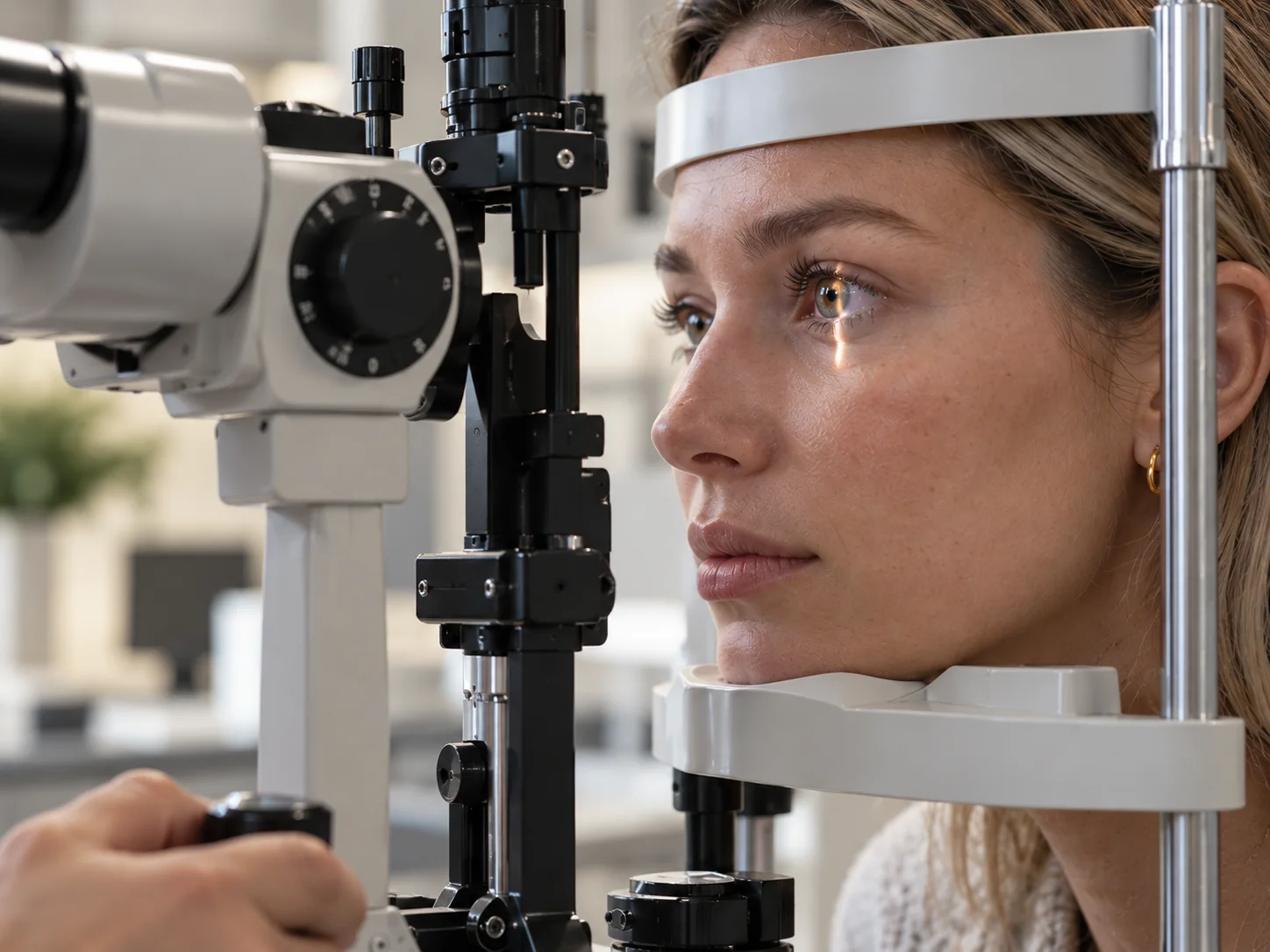
- Dilated retinal examination
- Retinal imaging and photography
- Evaluation for retinal tears, vitreous changes, or hemorrhage
- Prompt referral to a retina specialist when retinal pathology is suspected
Most of the time the finding is a posterior vitreous detachment — the gel separating normally with age — and the visit with our Los Angeles eye doctors ends with reassurance and a follow-up plan. When it is a tear, catching it the same day is what protects your sight.
Do not wait
New flashes or a curtain of shadow? Call now.
- Same-day appointments for flashes and floaters
- Dilated exam and retinal imaging in one visit
- Urgent referral coordinated when needed
Also consider
Next step
Changed floaters? Same-day exam.
Call the office — flashes and new floaters are among the six problems we always see the same day.