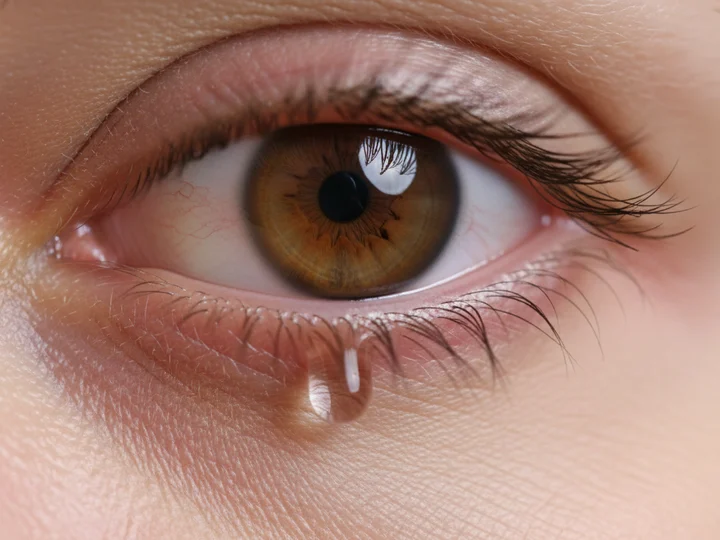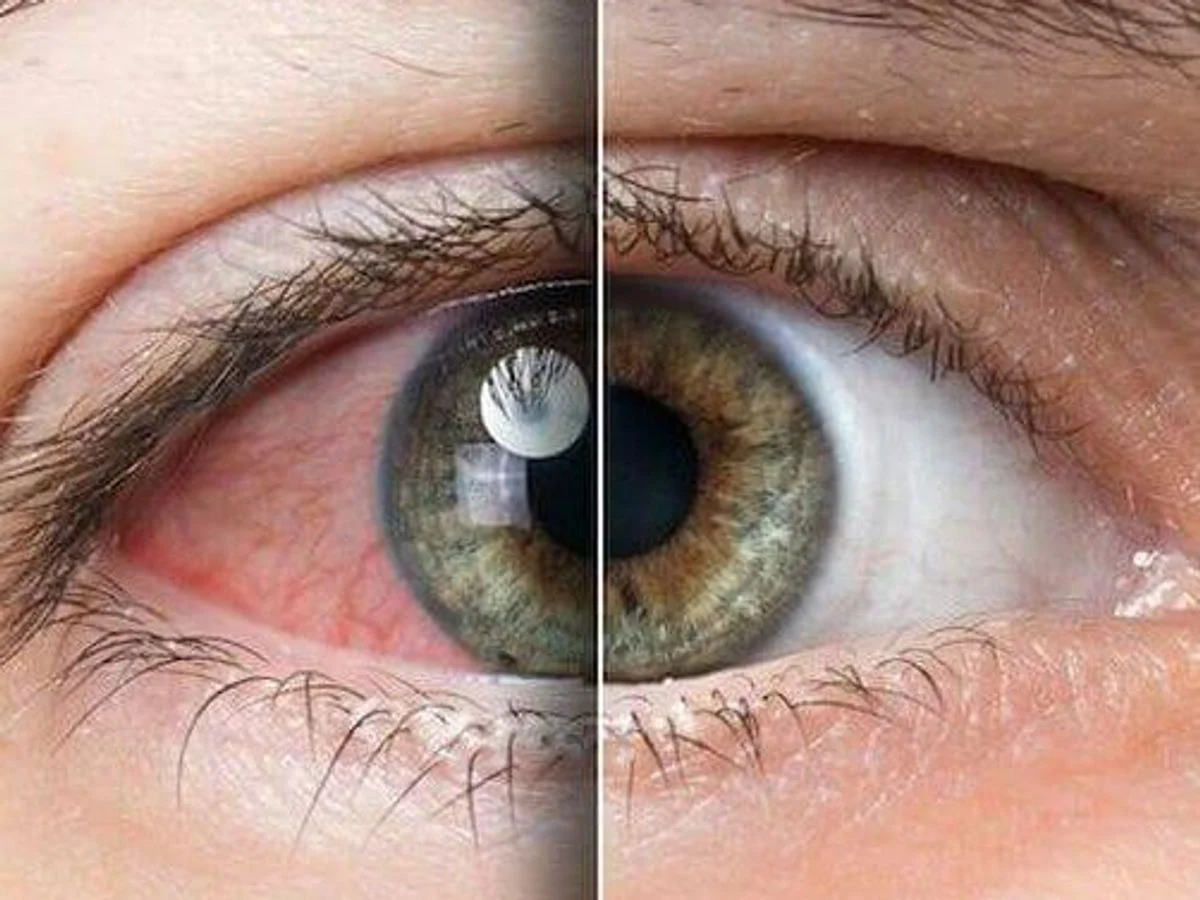
Burning eyes often come from dry eye, which causes stinging or burning, or from irritation of the eye's surface by allergies, an infection, smoke, dust, fumes, chemicals or contact lenses worn too long. Inflamed eyelid edges, called blepharitis, are another common source. Cold compresses and artificial tears, sold without a prescription, ease irritated eyes, but see a doctor the same day for eye pain, light sensitivity or blurred vision, at an emergency room if we're closed. If a chemical splashes in your eye, rinse it with lots of room-temperature water for at least 15 to 20 minutes first, then call Poison Control at 1-800-222-1222 and call us or go to an emergency room.
Key takeaways
- Burning often means the eye's surface is dry or irritated, from dry eye or from allergies, an infection, smoke, fumes or contact lenses worn too long.
- Cold compresses and over-the-counter artificial tears ease irritated eyes, and inflamed eyelid edges (blepharitis) call for warm compresses, then gentle lid cleaning.
- Eye pain, light sensitivity or blurred vision with burning needs a same-day visit, or an emergency room when we're closed.
- After a chemical splash, rinse with room-temperature water for at least 15 to 20 minutes, then call Poison Control and call us or go to an emergency room.
01
Why do my eyes burn?
Burning often means something is irritating or drying the surface of the eye. The symptoms that come with it usually point to the cause:
| Likely cause | Clues that point to it | What usually helps first |
|---|---|---|
| Dry eye | Stinging or a scratchy feeling, redness, blurry vision | Artificial tears, screen breaks, a humidifier |
| Blepharitis | Red, swollen, itchy eyelids, a gritty or burning feeling, crusting | Warm compresses, then gentle lid cleaning |
| Allergies | Itching and watery discharge around pollen, dust mites, mold or pets | Avoiding the trigger, cool compresses, lubricating drops |
| Contact lenses | Burning that started with lens wear, especially overwear | Taking the lenses out; a red, painful eye needs a call today (an emergency room when we're closed) |
| Pink eye | Redness, discharge, crusting and an urge to rub | An exam if it hurts or your vision changes |
| Smoke, fumes or pool water | Burning that starts with the exposure | Avoiding the irritant, cold compresses, artificial tears |
| Chemical splash | Burning right after contact with a cleaner or chemical | Rinsing for at least 15 to 20 minutes, then Poison Control and us or an emergency room |
Pink eye can burn too, along with itching and a feeling that something is in the eye.
02
Is burning a sign of dry eye?
Often, yes. Stinging or burning is a typical dry eye symptom, along with a scratchy feeling, red eyes, sensitivity to light and blurry vision. Dry eye can also bring excessive tearing after periods of dryness, and some medicines have been linked to it, including antihistamines, decongestants, antidepressants, birth control pills and blood pressure medicines. If you take one of them, don't stop it on your own; our page on medications that cause dry eye explains how we treat the eyes with the medicine in the picture.
You're more likely to have dry eye if you're 50 or older, female or a contact lens wearer, or if you have an autoimmune condition such as lupus or Sjögren syndrome, and long hours on a computer, tablet or phone can bring it on.
In our office, most dry eye traces back to the meibomian glands, the oil glands along the eyelids, when they become clogged or inflamed, a problem known as meibomian gland dysfunction. Our dry eye quiz scores your symptoms in about two minutes if you want a starting point.
03
Could my eyelids be causing the burning?
Yes. Blepharitis, inflammation along the eyelid edges, causes red, itchy, burning eyes or eyelids, with crusty lids or lashes when you wake up.
It usually starts with too much bacteria at the base of the lashes or with clogged oil glands in the lids, and skin conditions such as rosacea and scalp dandruff can drive it. It isn't contagious, and it usually doesn't cause lasting damage.
Treatment centers on keeping the lids clean and free of crusts: warm compresses loosen the crusts, then you gently scrub the eyelids with water and baby shampoo or an over-the-counter lid cleanser. Blepharitis can progress to more severe symptoms, such as blurred vision and missing or misdirected eyelashes. For lids that stay red and crusted despite home cleaning, we offer in-office cleaning of the lash line such as BlephEx.
04
Do allergies make your eyes burn?
They can. Allergens are among the most common causes of pink eye, an inflammation of the clear lining over the white of the eye, and pink eye can bring itching, irritation and burning.
Typical allergens are pollen from trees, plants, grasses and weeds, dust mites, molds, pet dander, medicines and cosmetics. Allergic pink eye isn't contagious, and it can flare with the seasons when pollen counts are high or last year-round from indoor allergens such as dust mites and animal dander.
Removing the allergen usually helps, and allergy medicines and antihistamine eye drops can too. Avoid rubbing your eyes, use cool compresses, and try lubricating eye drops, which can rinse the allergen off the surface of the eye. When itching leads, our guide to eye allergies covers prescription options.
05
Why do my eyes burn with contact lenses?
Usually because the lenses are irritating or drying the eye. Contact lens wearers are more likely to have dry eye, and lenses worn longer than recommended or not cleaned properly can irritate the eye enough to cause pink eye. A lens with a rough or torn edge can even scratch the cornea, the clear front part of the eye.
Irritated red eyes, pain that gets worse even after the lens is out, light sensitivity, sudden blurry vision or unusual discharge can mean an infection. If you notice any of these, remove your lenses and call your eye doctor immediately, or go to an emergency room when the office is closed.
For lenses that are only uncomfortable by afternoon, our page on contact lens discomfort explains how the fit, the lens and the tear film each play a part, and keratitis covers the urgent side.
06
Why do smoke, wind and pool water make my eyes burn?
They irritate the surface directly. Smoke, dust, fumes and chemical vapors in indoor or outdoor air are among the irritants that cause pink eye, and air pollution and chlorine in swimming pools can cause chemical conjunctivitis.
At the pool, chlorine combines with sweat, urine, dirt, skin cells and makeup to form irritants called chloramines, which can cause red, itchy eyes. Showering for one minute before you swim removes most of the dirt and other matter on your body that chlorine would otherwise combine with.
For dry, burning eyes, the National Eye Institute's advice is to avoid smoke, wind and air conditioning where you can, wear wraparound sunglasses outside, and use a humidifier to keep the air at home from getting too dry. Santa Ana days have their own guide: wind, weather and dry eye.
07
When do burning eyes need same-day or emergency care?
Burning with pain, light sensitivity or a change in vision should be seen today, at an emergency room if we're closed, and a chemical splash needs rinsing before anything else.
If a chemical gets in your eye
Chemicals can burn the eye, and the pain may make you close it, which traps the irritant against the eye. Start rinsing right away with lots of room-temperature water; for adults, a shower is often easiest. Take out contact lenses as soon as you can, and keep rinsing for at least 15 to 20 minutes while you blink. Then call Poison Control at 1-800-222-1222, and call us or go to an emergency room. Go straight to an emergency room after rinsing if the symptoms are severe or the office is closed, and get an urgent eye exam if pain, redness, blurred vision or tearing are still there an hour after you started rinsing.
Call for a same-day visit if
- You have eye pain, light sensitivity or intense redness.
- Your vision stays blurry even after you wipe away any discharge, or symptoms get worse or don't improve.
- You wear contact lenses and the eye is red and painful.
We see urgent eye problems the same day during office hours; call 310-828-2010 or read about urgent eye care. Outside office hours, go to an emergency room for eye pain, light sensitivity, blurred vision, or a red, painful eye in a contact lens wearer. Call 911 for sudden vision loss in one or both eyes, even if it comes back. Burning that keeps coming back for weeks deserves a regular visit, even if it's mild.
08
How we find the cause of burning eyes at Cohenmehr Optometry
Our dry eye evaluation uses imaging of the meibomian glands along with tests of tear film stability, gland structure and the health of the eye's surface, so the plan matches the cause.
Our eye doctors in Los Angeles base treatment on the findings: lid cleaning for blepharitis, allergy care when itching leads, prescription drops that calm inflammation, and in-office treatments such as IPL and OptiLIFT that target the oil glands and the blink. When your eyes don't make enough tears, punctal plugs keep your own tears on the eye longer, and for severe dry eye, scleral lenses hold a reservoir of fluid against the surface all day.
09
Questions patients ask
How do you cure burning, watery eyes?
Treat the cause, and check for dry eye first: it can bring stinging or burning along with excessive tearing after periods of dryness, so one problem can explain both. Mild symptoms are treated with artificial tears, gels and ointments, and an eye doctor can add prescription drops, short courses of steroid drops or plugs in the tear ducts. Our page on why dry eyes water explains more.
How does wildfire smoke affect your eyes?
It can make them sting as soon as you breathe it in. Wildfire smoke is a mix of gases and fine particles from burning trees, plants and buildings, and it can travel far from the fire. Coughing, a scratchy throat and headaches can start right away too. On smoky days, check air quality at airnow.gov, stay inside when you can, clean the air in one closed-off room with a portable air cleaner or filter, and get medical help for new or worsening symptoms.
How is dry eye related to chronic pain?
The two overlap. Ocular neuropathic pain is a heightened perception of pain that can result from injury to or disease of the nerves of the cornea. People describe burning, aching, a foreign body feeling or light sensitivity, and the symptoms can be severe without matching signs on exam. Many are misdiagnosed with dry eye, so burning that doesn't respond to dry eye treatment deserves a closer look.
When should I worry about a watery eye?
When the watering comes with other warning signs. Watery, teary eyes are a common symptom of pink eye, whether it comes from a virus, an allergy or an irritant. Pink eye can also affect your vision, so call us for a same-day visit through urgent eye care, or go to an emergency room when we're closed, if a watery eye comes with eye pain, light sensitivity, blurred vision or intense redness. Watering that keeps coming back without those signs deserves a regular visit, since dry eye can cause it too.
10
Sources
- National Eye Institute: Dry eye
- MedlinePlus Magazine: Dry eye, an overview
- National Eye Institute: Blepharitis
- American Optometric Association: Blepharitis
- CDC: Symptoms of pink eye
- CDC: Pink eye causes
- CDC: How to treat pink eye
- American Optometric Association: Conjunctivitis
- American Optometric Association: Corneal abrasion
- CDC: What causes contact lens-related eye infections
- CDC: Preventing eye irritation from pool chemicals
- MedlinePlus: Eye injury
- Poison Control: Splashed a poison in your eye?
- CDC: How wildfire smoke affects your body
- CDC: Safety guidelines for wildfires and wildfire smoke
- StatPearls: Ocular neuropathic pain

Written by
Dr. Bijan Cohenmehr, OD
Founder of Cohenmehr Optometry, in practice for over 40 years. He leads the practice’s dry eye care and myopia management. A graduate of SUNY College of Optometry.
About Dr. Bijan →