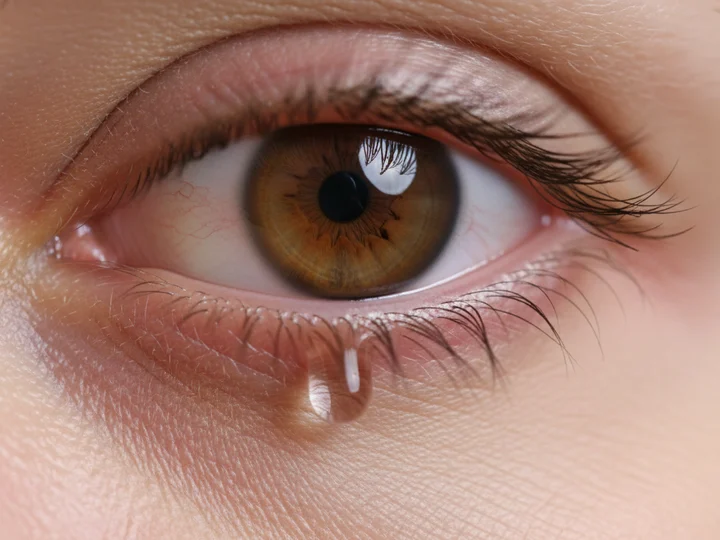
Common causes of itchy eyelids include blepharitis, an eye allergy and skin reactions. Blepharitis is a common condition that makes the eyelids red, swollen, irritated and itchy, and it can leave the lids or lashes crusty when you wake up. Eye allergies cause itching, redness and swelling in one or both eyes. The skin of the lids can also react to something that touches it: allergic reactions to cosmetics most often appear as itchy, red rashes, a condition called allergic contact dermatitis. Until you know the cause, keep your fingers off your eyes and try a cold compress. Itching that keeps coming back deserves an exam, and pain, light sensitivity or blurry vision needs one the same day (call 310-828-2010), or an emergency room visit when we're closed.
Key takeaways
- Itchy eyelids often come from blepharitis, a common condition of red, swollen, itchy lids, or from an eye allergy, Demodex mites or a reaction to makeup or lash adhesive.
- Morning crusts along the lash line point to blepharitis, while itching, redness and watering in both eyes point to an allergy.
- Don't scratch, use a cold compress, stop any new eye makeup or cream, and clean your lids daily if blepharitis is the cause.
- Call 911 for signs of a serious allergic reaction, such as swelling of the lips or tongue, throat tightness, trouble swallowing or shortness of breath.
01
What causes itchy eyelids?
Common causes include blepharitis, Demodex mites, eye allergies and skin reactions such as allergic contact dermatitis or eczema:
| Cause | What you might notice | What helps |
|---|---|---|
| Blepharitis | Red, swollen, itchy lids; burning or stinging; crusty lids or lashes when you wake up | Cleaning the lids every day with water and a gentle cleanser |
| Demodex mites | Itching, with cylinder-shaped crusts (collarettes) wrapped around the base of the lashes | An exam to confirm it, then treatment aimed at the mites |
| Eye allergies | Itching, redness and swelling, usually in both eyes; sometimes sneezing or an itchy nose | Avoiding the trigger, cold compresses, artificial tears, antihistamine eye drops |
| Allergic contact dermatitis | An itchy, red rash on the lid skin after contact with something such as makeup or a lash adhesive | Stopping the product; seeing a doctor if the irritation persists |
| Eczema (atopic dermatitis) | Dry, itchy skin and rashes that can show up on the face as well as elsewhere on the body | Medicines, skin creams and good skin care from your doctor |
Table sources: the National Eye Institute on blepharitis, Eye & Contact Lens on Demodex blepharitis, the American Optometric Association on eye allergies, the CDC on pink eye symptoms and pink eye treatment, the FDA on allergens in cosmetics and eye cosmetic safety, and MedlinePlus on eczema.
02
Could it be blepharitis?
Itching along the lash line, especially with crusts in the morning, fits blepharitis. Most of the time it happens because there's too much bacteria on the eyelids at the base of the eyelashes, and it can also start when the oil glands in the lids get clogged or irritated. Skin conditions such as rosacea and scalp dandruff can play a part too.
Besides itching, you may notice burning or stinging, watery eyes, a feeling that something is in your eye, and crusty lids or lashes when you wake up. Blepharitis isn't contagious, and it usually doesn't cause lasting damage to the eyes.
Tiny mites called Demodex can cause their own form of blepharitis, and ocular itching is the symptom most commonly associated with it. Our Demodex blepharitis page explains how we find and treat it, and our blepharitis page covers the condition as a whole.
03
Why are my eyes so itchy?
When both eyes itch, water and look red, think allergy. Allergic pink eye usually involves both eyes, the itching can be intense, and an itchy nose, sneezing, a scratchy throat or asthma may come with it.
Pollen is a common trigger, one of the substances that often cause allergic reactions. Trees, weeds and grasses release it each spring, summer and fall, and it can set off hay fever, with itching eyes, nose and throat and red, watery eyes. Allergic pink eye usually improves once the allergen is removed from your surroundings.
For the itch itself, over-the-counter antihistamine eye drops are labeled to temporarily relieve itchy eyes due to pollen, ragweed, grass, animal hair and dander. Our eye allergies page covers prescription drops and trigger control.
04
Why are my eyes always itchy?
When itching goes on for months, look for a cause that is always there. Eye allergies can be year-round (perennial) as well as seasonal; those two kinds make up 95% of allergic conjunctivitis in the U.S. Besides pollen, common allergens include dust mites, mold spores and pet dander.
Contact lenses can be a chronic cause of eye allergy. Blepharitis is persistent too: it usually doesn't go away completely, and keeping it under control takes a lid-cleaning routine for life. A product you use every day, such as an eye cream or mascara, is another possibility; the FDA's advice is to stop using any eye cosmetic that causes irritation.
Because dry eye and blepharitis have symptoms similar to eye allergies, a comprehensive eye exam is how they're told apart.
05
Could makeup or skin care be the cause?
Yes. Allergic reactions to cosmetic products most often appear as itchy, red rashes on the skin. Common allergens fall into five classes: natural rubber, fragrances, preservatives, dyes and metals.
The FDA points out that the eyelids are delicate. If any eye cosmetic causes irritation, stop using it immediately, and if the irritation persists, see a doctor. Check the ingredients of lash adhesives before you use them, and avoid color additives that aren't approved for the eye area, such as permanent eyelash tints: permanent eyelash and eyebrow tints and dyes have been known to cause serious eye injuries, including blindness.
If the culprit isn't obvious, your doctor may recommend patch testing. Eczema (atopic dermatitis) is another skin cause: it brings dry, itchy skin and rashes, often on the face, and scratching makes the skin redder, more swollen and itchier. Our page on makeup, lashes and dry eye covers habits that keep the lash line healthy.
06
How do you relieve itchy eyes and eyelids?
These steps help while you work out the cause:
- Don't rub or scratch. Scratching itchy skin can make it red and swollen and even itchier.
- Use a cold compress for itch. Cold compresses and artificial tears help relieve some of the inflammation and dryness of pink eye.
- Stop any new eye makeup, eye cream or skin product. If an eye cosmetic causes irritation, stop using it immediately. If the new thing is a prescription eye drop, call the doctor who prescribed it before you stop.
- Clean your lids if blepharitis is the cause. Use water and a gentle cleanser, such as baby shampoo, to clean your eyelids and remove crusts every day. For crusty lids or blocked oil glands, switch to a warm compress; our guide to warm compresses shows how.
- Try an antihistamine eye drop for allergy itch. Take contact lenses out first, and stop and ask a doctor if the itching worsens or lasts more than 72 hours.
07
When should itchy eyelids be checked by a doctor?
Book an exam if the itching keeps coming back or home care isn't settling it. During office hours (Monday 10 to 5, Tuesday through Friday 8 to 5), call 310-828-2010 for a same-day visit if the eye is painful or sensitive to light, your vision changes, or redness around the eye is spreading; if you wear contact lenses, take them out first. When we're closed, evenings and weekends, go to an emergency room for any of these instead. Our urgent eye care page explains how same-day visits work.
Contact your eye doctor immediately if redness and swelling spread beyond the eyelid to your cheek or other parts of your face, or go to an emergency room when we're closed. An eyelid infection that spreads behind the eye, called orbital cellulitis, needs immediate medical care. If a swollen eyelid comes with a fever, a bulging eye, pain when you move your eye or a change in your vision, call us at 310-828-2010 and come straight in, or see another eye doctor; when we're closed, go to an emergency room. These signs can mean the infection has spread behind the eye.
Call 911 for signs of a serious allergic reaction, such as swelling of the lips or tongue, throat tightness or trouble swallowing, or shortness of breath. Sudden loss of sight in one or both eyes, or sudden double vision, can be a sign of stroke, so call 911 for those too, even if your vision comes back.
08
How we treat itchy eyelids at Cohenmehr Optometry
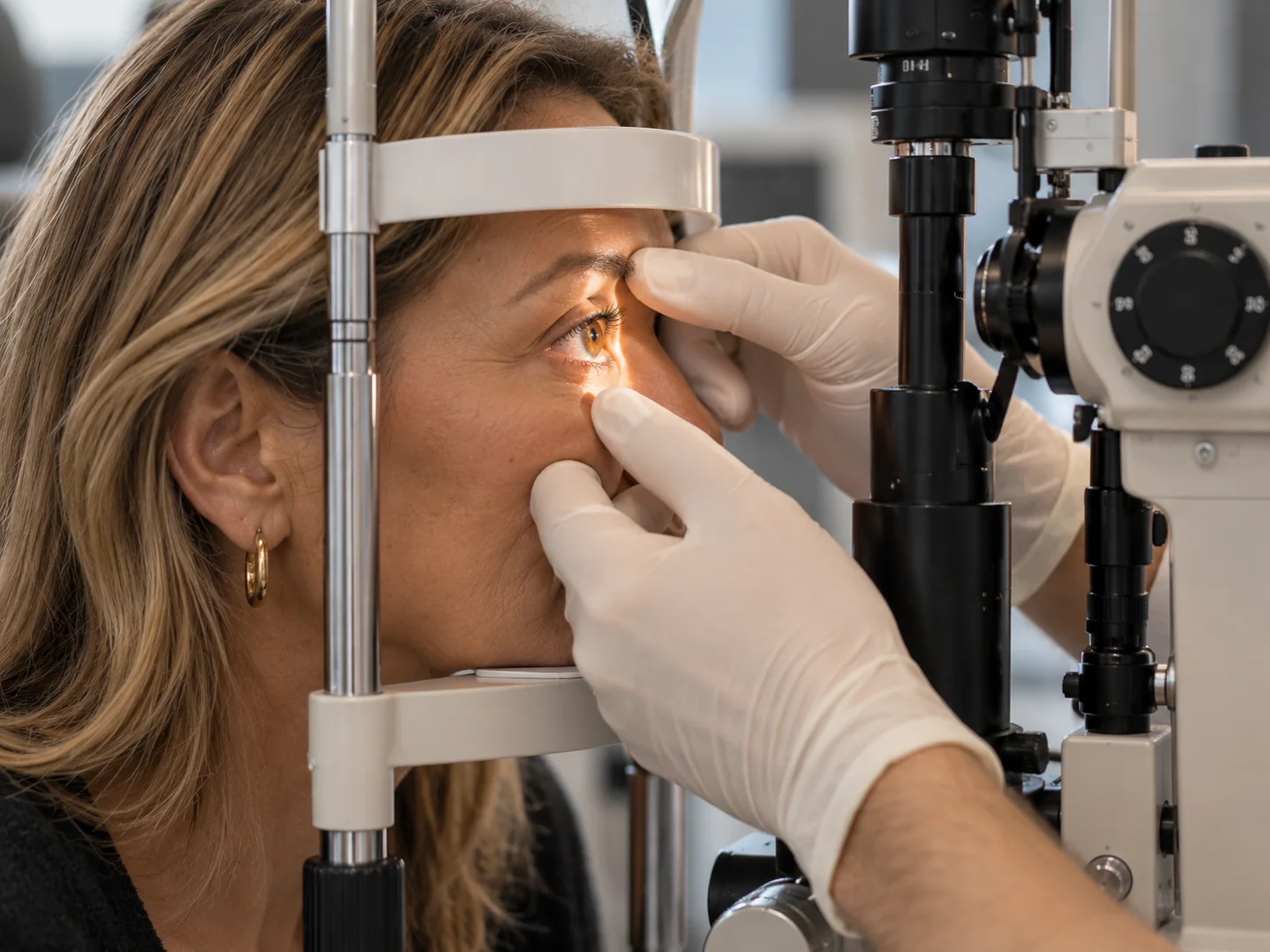
Our eye doctors in Los Angeles look at the lid margins and lashes under magnification at the slit lamp. Because blepharitis unsettles the tear film, we usually evaluate it as part of a complete dry eye exam that includes imaging of the meibomian glands, the oil glands in the lids.
Treatment follows the cause:
- Blepharitis: a daily lid hygiene routine matched to what we see on your lids, warm compresses, and professional eyelid exfoliation to remove debris and biofilm
- Demodex: in-office exfoliation plus targeted therapy aimed at the mites
- Oil gland dysfunction behind the inflammation: treatment of the glands themselves with our IPL program
- Allergies: prescription-strength allergy drops, cool compresses and trigger control
When lids itch every morning under lash extensions, Demodex overgrowth is often the reason. We clear it in the office, then help you rebuild the routine.
09
Questions patients ask
Why does just one of my eyes itch?
Eye allergies can affect one eye, but allergic pink eye usually involves both, so itching on one side alone deserves a closer look. Viral pink eye, for example, usually begins in one eye and spreads to the other within days. If one eye itches and is also red, painful, light-sensitive or blurry, or has discharge, call us at 310-828-2010 for a same-day visit, or go to an emergency room when we're closed.
Is it bad to scratch itchy eyelids?
Yes, try not to. Scratching itchy skin can make it redder, more swollen and itchier, and rubbing the eyes themselves carries its own risks; our page on eye rubbing and keratoconus explains why. A cold compress over closed lids is a gentler option, since cold compresses help relieve some of the inflammation of pink eye.
Can eye drops make your eyelids itch?
They can. Eye drops, eye ointments and contact lens products are among the causes of pink eye, which can itch. Glaucoma drops, for example, carry a small chance of stinging, itching, burning and redness, or changes in the skin around the eye. If you notice side effects, talk to your doctor, but don't stop a prescribed glaucoma drop on your own: if you don't use the drops as prescribed, you could lose vision.
Why are my eyelids itchy and sore?
Blepharitis can make your eyelids red, swollen and itchy and your eyes burn or sting. A red, swollen, tender spot on the lid could be a stye, an infection of an oil gland at the edge of the eyelid. Don't squeeze or drain it yourself. During office hours a painful lid bump is a same-day visit: call 310-828-2010. If redness and swelling spread to your cheek or face, contact your eye doctor immediately, or go to an emergency room when we're closed.
10
Sources
- National Eye Institute: Blepharitis
- Eye & Contact Lens, 2023
- American Optometric Association: Ocular allergies
- CDC: Symptoms of pink eye
- CDC: How to treat pink eye
- MedlinePlus: Hay fever
- MedlinePlus: Allergies
- DailyMed: Pataday Once Daily Relief label
- FDA: Allergens in cosmetics
- FDA: Eye cosmetic safety
- MedlinePlus: Eczema
- MedlinePlus: Eyelid disorders
- American Optometric Association: Hordeolum (stye)
- MedlinePlus: Anaphylaxis
- American Stroke Association: Stroke symptoms
- MedlinePlus: Pink eye
- National Eye Institute: Glaucoma medicines
- StatPearls: Orbital cellulitis

Written by
Dr. Bijan Cohenmehr, OD
Founder of Cohenmehr Optometry, in practice for over 40 years. He leads the practice’s dry eye care and myopia management. A graduate of SUNY College of Optometry.
About Dr. Bijan →