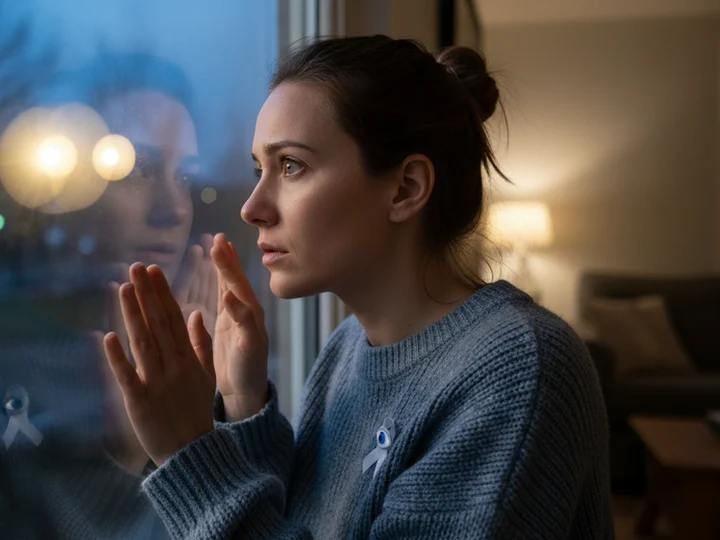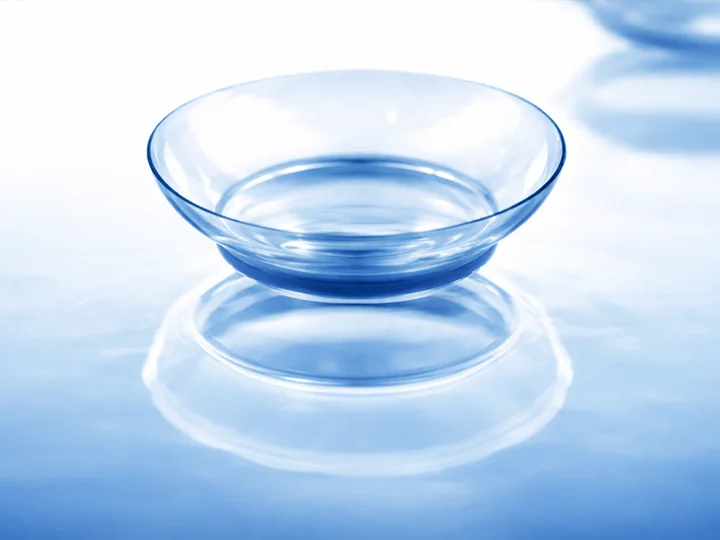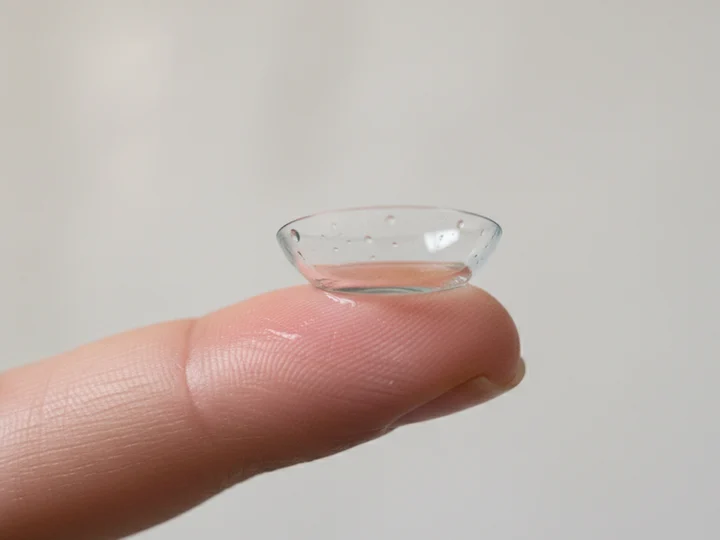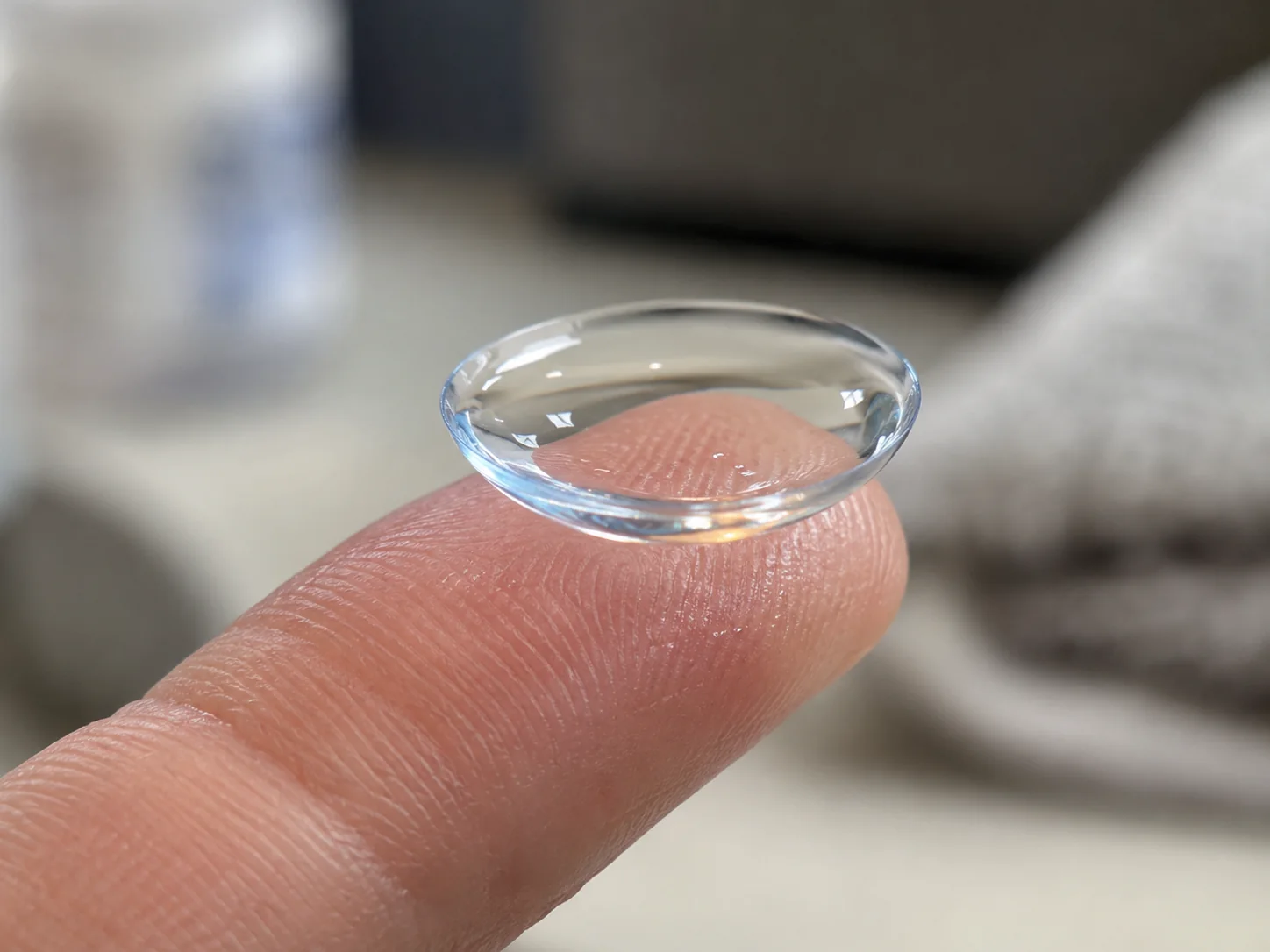
A contact lens stuck in your eye can't get lost behind it. The lining of your eyelids folds onto the white of the eye, so a lens that seems to have vanished has slid under an eyelid or fallen out. To get it out, wash and dry your hands and put in a few lubricating drops made for contact lenses. Close the eye for a minute, then blink until the lens moves. If it's under the upper lid, look down and press gently on the closed lid to ease it back to the center, then remove it the usual way. Don't rub your eye. If it won't come out after a few gentle tries, call 310-828-2010 and come straight in for a same-day urgent visit; our doctors remove stuck lenses in the office. When the office is closed, go to an emergency room.
Key takeaways
- With clean, dry hands, add a few lubricating drops made for contact lenses, close the eye for a minute, then blink until the lens moves.
- A lens can't get lost behind your eye, so one that seems to have vanished has slid under an eyelid or fallen out.
- If a few gentle tries fail, leave the eye alone and call us to come straight in, or go to an emergency room when we're closed.
- Pain, redness, light sensitivity or blurry vision after removal means keeping the lens out and calling us right away for a same-day exam, or an emergency room when we're closed.
01
Why does a contact lens get stuck in your eye?
A lens that feels stuck may have slipped off the cornea, the clear dome over the colored part of your eye, and moved under an eyelid. That can happen when you rub your eye.
Water is another cause. It can make soft lenses change shape, swell and stick to the eye, so a lens can feel glued on after a shower or a swim.
Rigid lenses get stuck in their own ways. A rigid gas permeable (RGP) lens, the small hard kind, can slide off center onto the white of the eye. A scleral lens is a larger hard lens that rests on the white of the eye and holds a gentle suction, which has to be released before the lens will lift off.
02
Can a contact lens get lost behind your eye?
No. The conjunctiva is the thin, transparent layer of tissue that lines the inner surface of the eyelid and covers the white part of the eye. It folds back on itself where the lid meets the eye and forms a closed pocket, so a lens can't get past it to the back of the eye.
A lens that seems to have disappeared has either fallen out or moved high under the upper lid. If your eye feels normal, look on your clothes and around the sink, and if you can't find the lens, call us to check under your lid: a soft lens can sit high under the upper lid without causing noticeable symptoms.
If it still feels like something is in your eye, assume the lens is there. Don't rub the eye or keep searching; call us and come straight in, or go to an emergency room if the office is closed. We can look under the lid at the slit lamp, a microscope with a bright light, and remove the lens in the office.
03
How do you get a stuck soft contact lens out?
- Wash your hands and dry them thoroughly.
- Look in a mirror in good light. If you can see the lens over the colored part of your eye, it's in place and just not moving. If you can't see it, it may have slid under the upper lid, or it may have fallen out.
- Put in a few lubricating drops approved for contact lenses, or sterile saline. A lubricating drop helps loosen a lens on the eye.
- Close your eye for a minute or two, then blink several times. Once the lens slides when you blink, it's ready to come out.
- If the lens is under your upper lid, close your eye, look down and press gently on the lid with a fingertip to ease the lens back toward the center. Don't rub.
- When the lens is centered and moving, look up, slide it down onto the white of the eye with the pad of your finger and pinch it off with your thumb and finger.
- Lay the lens flat and check that it's whole. If a piece is missing, assume that piece is still in your eye.
If the lens won't budge, add more drops and give it a few more minutes before you try again. After a few gentle attempts, stop, leave the eye alone and call us at 310-828-2010 to come straight in, or go to an emergency room if the office is closed.
04
How do you remove a stuck hard or scleral lens?
Don't try to pinch a rigid lens out. If an RGP lens has slid onto the white of your eye, close the eye and use a fingertip on the lid to nudge it gently back over the cornea. Then remove it with the eyelid method or the small suction tool, called a plunger, that you were trained to use.
A stuck scleral lens needs its seal broken first. Add a drop of saline, look up slightly and press gently on the white of the eye just outside the lower edge of the lens. Then set a wet plunger on the lower third of the lens, never the center, and rock it up and out. Pulling a sealed lens straight off fights the suction and leaves the eye sore.
Our scleral lens insertion and removal guide shows each step, including how to lever the lens out with your eyelids when you don't have a plunger. When a scleral lens is repeatedly hard to remove, it's gripping too tightly, and we adjust the fit.
05
What shouldn't you do when a contact is stuck?
- Don't use tweezers or your fingernails on the lens or the eye.
- Don't rinse your eye or the lens with tap water. Tap water can carry Acanthamoeba, an ameba that causes a serious eye infection.
- Don't wet the lens in your mouth. Saliva is full of bacteria and a potential source of infection.
- Don't reach for redness-relief drops. Eye drops that aren't approved for contact lens wear can damage both the lens and the eye.
- Don't put a lens back in if your eye hurts or looks red. Keep the lens out and save it, because it may help your eye doctor find the cause.
06
When does a stuck contact lens need an eye doctor?
If you can't get the lens out, don't rub your eye. Call us at 310-828-2010 and come straight in: our doctors remove stuck lenses and lens pieces in the office. Go to an emergency room only when the office is closed. Our hours are Monday 10 to 5 and Tuesday to Friday 8 to 5.
Call us and come straight in, or go to an emergency room when the office is closed, if:
- You can't tell whether the lens is still in your eye
- The lens tore and a piece is missing
- It still feels like something is in your eye after the lens is out
If your eye still hurts after the lens is out, or it's red or sensitive to light, or your vision is blurry, leave the lens out and call us right away for a same-day exam, or go to an emergency room when the office is closed. The National Eye Institute lists intense eye pain, blurry vision, a change in vision and very red, watery eyes among the reasons to get help right away from an eye doctor or an emergency room.
Worsening pain after a lens comes out, light sensitivity, sudden blurry vision and unusual watering or discharge can be signs of microbial keratitis, an infection of the cornea that can lead to blindness in the most severe cases. Our keratitis guide explains why a white spot on the cornea always needs a same-day exam, or an emergency room when we're closed.
A cut to the eye, or an object that has pierced it, needs an emergency room: don't rinse the eye or try to remove anything, and protect the eye without pressing on it. If you suddenly lose vision in one or both eyes, even if it comes back, call 911.
At the visit, our optometrists in Los Angeles examine the eye at the slit lamp with a dye that shows any scratch, remove anything left behind and rule out a deeper injury or an infection. If the lens scratched the surface, our page on corneal abrasion covers treatment and healing.
07
How can you keep contacts from getting stuck?
- Take lenses out before you sleep unless your eye doctor prescribed them for overnight wear. Sleeping in contact lenses raises the risk of a lens-related eye infection six- to eightfold.
- Keep water away from your lenses, and take them out before you shower or swim.
- Replace lenses on the schedule you were given. Wearing them past it can lead to eye discomfort and other problems.
- If a lens keeps slipping under your lid or sticking, have the fit checked at a contact lens exam.
Lenses that feel dry and tight by late afternoon usually trace back to the tear film, the thin layer of tears a lens floats on. Our guide to contact lens discomfort covers what helps, from daily disposables to treating the dryness itself.
08
Questions patients ask
Can a contact lens scratch your eye?
Yes. Water can make a soft lens change shape, swell and stick to the eye, and a lens stuck that way can scratch the cornea, which makes it easier for germs to get in. A scratch feels sharp and gritty with every blink, and the eye tears up and is sensitive to light. Leave the lens out, don't rub your eye, and call us right away for a same-day exam, or go to an emergency room if we're closed, since scratches in lens wearers carry a higher risk of infection.
Can you wear contacts on a plane?
Yes, though the dry cabin air can make lenses uncomfortable, especially on flights longer than three hours. Lubricating eye drops approved for use with contact lenses may help. Airport security treats contact lens solution as a medically necessary liquid, so you can carry a full-size bottle if you declare it at the checkpoint. Don't sleep in your lenses on an overnight flight unless your eye doctor prescribed them for overnight wear.
Why is my vision blurry after taking out my contacts?
Some blur is expected, because without lenses your eye is back to its uncorrected prescription, and your glasses should clear it. Blur that glasses don't fix is different, especially if it came on suddenly or with pain, redness, light sensitivity or discharge. Those can be signs of keratitis, an infection of the cornea, so keep your lenses out and call us right away for a same-day exam, or go to an emergency room if we're closed. If you suddenly lose vision in one or both eyes, even if it comes back, call 911.
Why is my eye red after taking out my contacts?
Redness after a stuck lens can be simple irritation, and it can also be an early sign of infection. Red, irritated eyes that last an unusually long time after you remove your lenses are one of the symptoms of Acanthamoeba keratitis, a rare corneal infection. If the redness comes with discharge, blurred vision or pain, leave your lenses out and see a doctor of optometry right away: call us for a same-day exam, or go to an emergency room if we're closed.
09
Sources
- AOA: Contact lens care
- AOA: Conjunctivitis (pink eye)
- AOA: Acanthamoeba
- CDC: Keeping water away from contact lenses
- CDC: Contact lens-related eye infections
- CDC: About contact lens types
- FDA: Contact lens risks
- CDC (MMWR, 2018): Corneal infections associated with sleeping in contact lenses
- National Eye Institute: Corneal conditions
- Plastic and Reconstructive Surgery Global Open, 2024: Five retained soft contact lenses in the upper fornix (case report)

Written by
Dr. Brandon Cohenmehr, OD
Specialty contact lenses, with a focus on Ortho-K, scleral lenses, and co-managing patients with keratoconus and other corneal disease. A graduate of SUNY College of Optometry.
About Dr. Brandon →