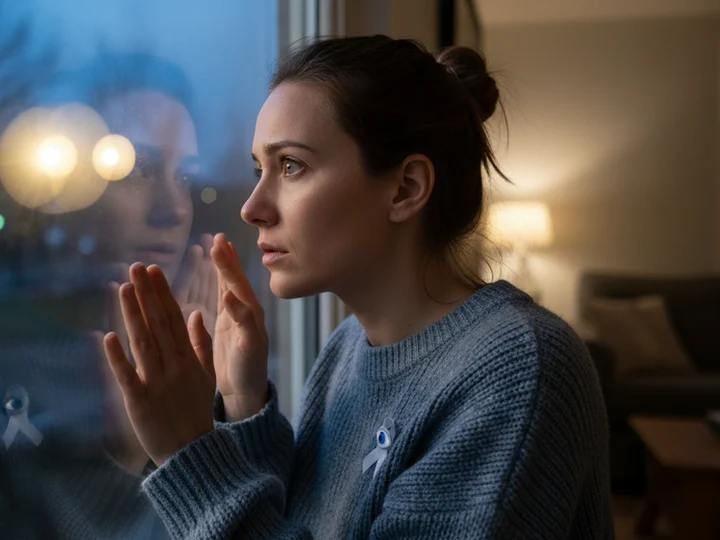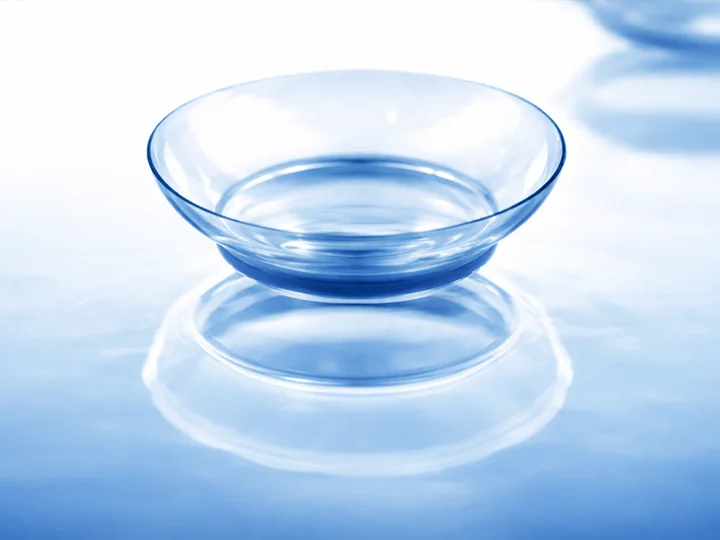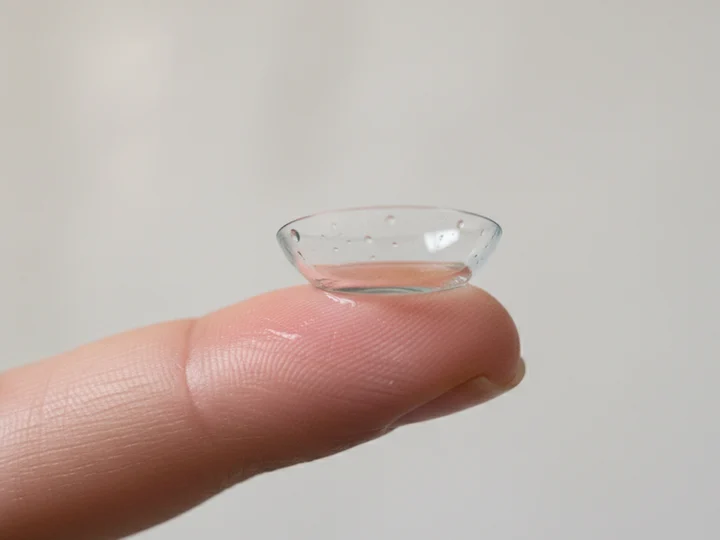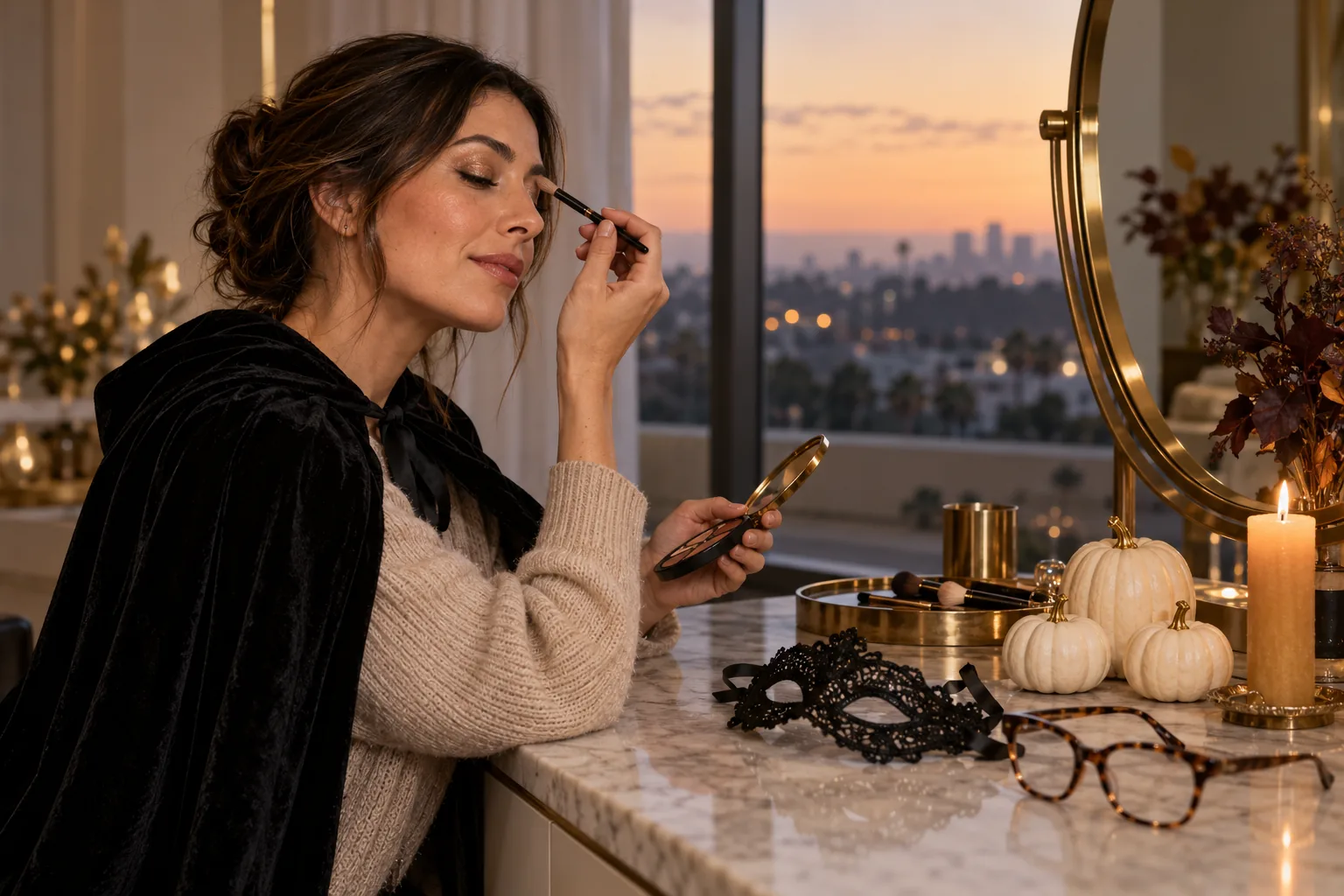
Halloween contacts are safer when an eye doctor has examined your eyes, fitted the lenses and written a prescription, you buy them from a seller that asks for it, and you follow the care directions and go back for follow-up exams. Decorative lenses are medical devices, not cosmetics, even when they don't correct vision, and places that sell them over the counter without a prescription are breaking the law. A poorly fitting lens can scratch the cornea or lead to an infection that threatens your sight. If your eye turns red, keeps hurting or your vision drops after wearing costume lenses, take them out and see an eye doctor right away, or go to an emergency room when we're closed.
Key takeaways
- Costume lenses need a prescription even if your vision is perfect, because an eye doctor has to measure each eye to fit them properly.
- Buy them from your eye doctor or a seller that verifies your prescription, never from Halloween stores, salons, street vendors or websites that don't require one.
- Wash your hands first, put lenses in before makeup, never share them or wet them with saliva or water, and take them out before you sleep.
- For redness, lasting pain or worse vision, remove the lenses and see an eye doctor right away, or go to an emergency room when the office is closed.
01
Do you need a prescription for Halloween contacts?
Yes, even if your vision is perfect. All contact lenses should be prescribed by a doctor, including decorative lenses, and the prescription should include the brand name, the correct lens measurements and an expiration date.
The reason is fit. Decorative lenses are not one size fits all: an eye doctor has to measure each eye to fit the lenses properly and see how your eye responds to wearing them. The same rule covers every novelty lens. Other names for decorative lenses include Halloween, cosmetic, theatrical, circle, costume and colored lenses, and lenses that make eyes look like they glow in the dark or turn into vertical cat eyes are decorative lenses too.
If you have never worn contact lenses, Halloween should not be your first time.
02
What can go wrong with costume contacts?
A lens that doesn't fit can injure the eye. Decorative lenses bought without a prescription may not fit correctly, which makes the eye more vulnerable to scratches on its outer layer or ulcers on the cornea, and these injuries can result in scarring, infection and blindness.
The FDA lists what a poor fit can cause:
- Scratches on the cornea, the clear dome of tissue over the colored part of the eye, called a corneal abrasion
- Corneal infection, meaning an ulcer or sore on the cornea
- Conjunctivitis, or pink eye
- Decreased vision
- Blindness
Infections can move fast. Bacterial infections can be extremely rapid, cause corneal ulcers and lead to blindness, sometimes within as little as 24 hours if they aren't diagnosed and treated promptly. Allergic reactions and bacterial eye infections from contaminated, poorly fitted lenses bought from unauthorized sellers can also come on rapidly.
Lenses with no vision correction carry the same risks as any other contact lens. Our page on keratitis explains corneal inflammation and infection, and why we see it the same day.
03
Where can you buy Halloween contacts safely?
Buy them from your eye doctor or from a seller that requires your prescription, whether you shop in person or online. Anyone selling you contact lenses must get your prescription and verify it with your doctor, asking for the doctor's name and phone number. A seller that doesn't ask is breaking federal law and could be selling you illegal lenses.
The FDA says never to buy lenses from:
- Street vendors or flea markets
- Salons, beauty supply stores or boutiques
- Novelty stores or Halloween stores
- Record or video stores, convenience stores or beach shops
- Websites that don't require a prescription
These are not authorized distributors of contact lenses, which are prescription devices by federal law, and some of their lenses may be counterfeit or never cleared or approved by the FDA. If you think a website is selling contact lenses illegally, you can report it to the FDA.
04
How do you wear costume contacts safely?
Treat them like any prescription lens. Follow the directions for cleaning, disinfecting and wearing the lenses that your eye doctor gives you, and if you don't get directions, ask for them. On the night itself:
- Wash and dry your hands thoroughly before you touch the lenses.
- Put soft lenses in before you apply makeup, and take them out before you remove it. Keep false eyelash glue away from the lenses, since it can damage them. Our page on makeup, lashes and dry eye covers everyday eye makeup habits.
- Test new costume makeup on your arm at least 24 to 48 hours ahead, and check that its colors are FDA approved for their intended use, especially for makeup around the eyes.
- Don't share lenses with friends who want to match your costume; sharing spreads bacteria and germs.
- Never rinse or store lenses in water or wet them with saliva; clean them with contact lens disinfecting solution.
- However late the party ends, take the lenses out before you sleep.
If you wear lenses only on occasion, ask whether a daily disposable lens is an option for you.
05
What if your eyes hurt after wearing Halloween contacts?
Take the lenses out right away and don't put them back in. See an eye doctor right away, or go to an emergency room when we're closed, if you have redness, eye pain that doesn't go away after a short time, discharge or decreased vision.
Don't throw the lenses away. Store them in their case and bring them to your appointment, because your eye doctor may use them to find the cause of your symptoms.
Same-day visit or emergency room?
During office hours (Monday 10am to 5pm, Tuesday to Friday 8am to 5pm), call 310-828-2010 and we'll fit you in the same day through our urgent eye care. A white spot on the cornea in a contact lens wearer is a reason to call immediately.
Halloween parties often run late or land on a weekend, when we're closed. Outside office hours, go to an emergency room for pain, redness, discharge, light sensitivity, blurred vision or a white spot on the cornea. Only mild irritation that is completely gone once the lenses are out, leaving a comfortable, white eye that sees normally, can wait for a call when we open.
06
How we fit contact lenses at Cohenmehr Optometry
At Cohenmehr Optometry, our doctors fit standard soft, toric and multifocal lenses, daily and monthly, at a contact lens exam: we measure the curvature and diameter of your cornea, check your tear film and look at the lens on your eye with a slit lamp microscope before the prescription is final. We fit decorative lenses at the same exam, with a prescription, like any other lens. Whoever fits your lenses, decorative or not, has to give you a copy of your prescription when the fitting is complete, and you can use it with any seller that verifies it.
Some people need a lens that changes how an eye looks for medical reasons, such as a scarred eye or an iris that lets in too much light. For them we design custom tinted and prosthetic specialty soft contact lenses matched to the other eye.
07
Questions patients ask
Can kids wear contacts?
Yes, under an eye care professional's supervision. Costume lenses are no exception: they need a prescription and carry the same risks as any other lens. The FDA suggests weighing how well your child handles personal hygiene and other responsibilities. Sharing lenses, wetting them with saliva and wearing decorative lenses bought without a prescription can all lead to injury. In a study in Pediatrics, about 13,500, or one-fourth, of the more than 70,000 children seen in emergency rooms each year for medical device injuries had contact lens problems.
How often should you replace contacts?
Replace contact lenses on the schedule your eye doctor recommends. Costume lenses you wear only now and then still need care between uses: disinfect them and store them in fresh solution at least every 7 days, even when you aren't wearing them. Replace the case at least every three months, never store lenses in water, and never mix fresh solution with old.
What happens if you sleep with contacts in?
Sleeping in contacts can increase the chance of bacteria getting into the eye and causing an infection. Serious eye infections can lead to blindness and affect up to one out of every 500 contact lens users per year, and even minor infections can be painful. If you fall asleep in costume lenses and wake up with a red, painful or blurry eye, take them out and see an eye doctor right away; when our office is closed, go to an emergency room.
Are colored contacts safe?
Yes, when an eye doctor prescribes and fits them and you follow the wearing and cleaning directions. Many prescription cosmetic lenses have been shown to be safe when properly prescribed and monitored by an eye care professional. Lenses obtained without a prescription, care instructions, fitting and follow-up, such as lenses bought online or in drug stores without a prescription, can lead to eye infections and permanent loss of vision. There is no such thing as an over-the-counter contact lens.
08
Sources
- FDA: Colored and decorative contact lenses
- FDA: Decorative contact lenses for Halloween and more
- FDA: Halloween safety tips
- CDC: About decorative contact lenses
- American Optometric Association: Contact lens care
- FDA: What to know if your child wants contact lenses
- FDA: Contact lens risks
- FDA: Contact lens prescription
- American Optometric Association: Types of contact lenses
- American Optometric Association: Healthy vision and contact lenses
Written by
Dr. Brandon Cohenmehr, OD
Specialty contact lenses, with a focus on Ortho-K, scleral lenses, and co-managing patients with keratoconus and other corneal disease. A graduate of SUNY College of Optometry.
About Dr. Brandon →