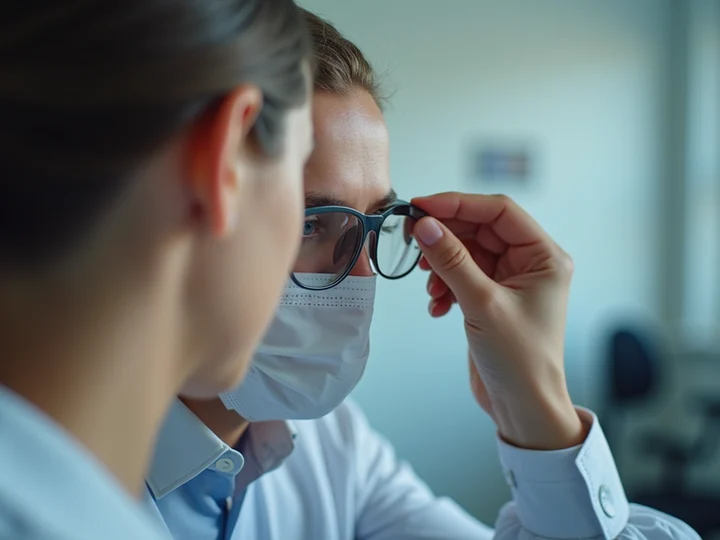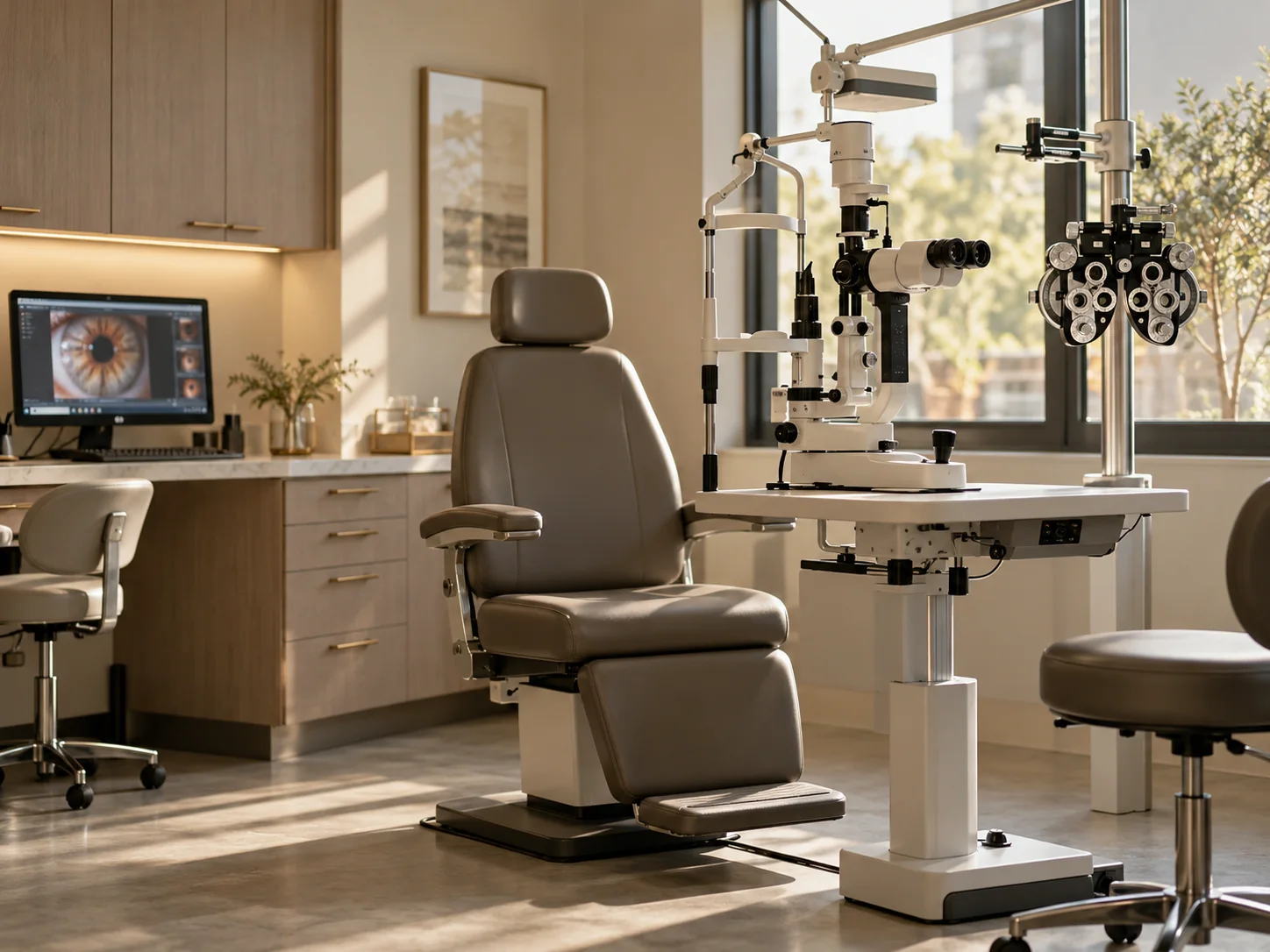
A dilated eye exam is an eye exam in which drops widen (dilate) your pupils so your eye doctor can check the inner parts of your eye for problems such as glaucoma, diabetic retinopathy and age-related macular degeneration, early and before they cause vision loss. The exam is simple and painless. For a few hours afterward your vision may be blurry and light may bother you, so bring sunglasses and ask someone to drive you home. Tropicamide (Mydriacyl), a drop used to dilate pupils for eye exams, works in 15 to 30 minutes and lasts about 3 to 8 hours, and its label says patients should be advised not to drive while their pupils are dilated.
Key takeaways
- In a simple, painless exam, dilating drops let more light into the eye so your doctor can find diseases such as glaucoma early, before vision is lost.
- Tropicamide, a dilating drop, works in 15 to 30 minutes and lasts about 3 to 8 hours, though complete recovery may take 24 hours in some people.
- Blur and light sensitivity can last for hours, so bring sunglasses and arrange for someone to drive you home before the appointment.
- Severe eye pain with nausea, a headache or halos around lights means calling immediately for a same-day exam, or going to an emergency room when the office is closed.
01
What is a dilated eye exam?
It's an eye exam that includes drops to dilate your pupils. Dilating the pupil lets more light into the eye, the way opening a door lets light into a dark room, so your doctor can check the inner parts of the eye for disease.
In a comprehensive exam, dilation is part of the eye health evaluation. The American Optometric Association (AOA) says dilating drops are often used to temporarily widen the pupil for better views of the structures inside the eye.
Many eye diseases have no symptoms or warning signs, so you could have a problem and not know it. NEI recommends a dilated eye exam to check for eye diseases early, when they're easier to treat.
02
What can a dilated eye exam detect?
Dilation helps your eye doctor check for many common eye problems, including:
- Glaucoma, a group of eye diseases that damage the optic nerve at the back of the eye
- Diabetic retinopathy, which affects blood vessels in the retina and is caused by high blood sugar from diabetes
- Age-related macular degeneration (AMD), which damages the macula, the part of the eye that controls sharp, straight-ahead vision
The AOA adds that the eye health evaluation, which also measures the pressure inside the eye, is where an optometrist can detect otherwise unknown eye diseases and systemic (body-wide) diseases.
03
What happens during a dilated eye exam?
- Your doctor checks how clearly you see with a visual acuity test and looks for vision problems like being nearsighted or farsighted.
- You get drops to widen your pupils. They can sting briefly.
- You wait while they work, about 15 to 30 minutes for tropicamide. Dark (heavily pigmented) irises may need more drops than light ones.
- With your pupils wide, your doctor checks the inner parts of your eye for disease, and may add other tests depending on your needs.
04
How long do pupils stay dilated?
Several hours: the tropicamide label puts the drop's effect at about 3 to 8 hours, and NEI says that for a few hours after a dilated eye exam, your vision may be blurry and you may be sensitive to light.
The same label notes that complete recovery from dilation may take 24 hours in some people, and its 1% strength also paralyzes accommodation, the eye's ability to focus up close, so reading can stay blurry until the drop wears off.
If your pupils still look large the day after the exam, call us at 310-828-2010. Some drops last longer: the label for cyclopentolate, another dilating drop, says complete recovery can take several days. Call 911 for double vision or a droopy eyelid that comes with a pupil that looks different, eye pain or a severe headache.
05
Can you drive after eye dilation?
Plan not to. NEI suggests asking a friend or family member to drive you home, and the tropicamide label says patients should be advised not to drive or do potentially hazardous activities while their pupils are dilated.
Blur and light sensitivity can last for hours, so arrange the ride before the appointment. Sunglasses help with the light: the label advises protecting your eyes in bright light during dilation, and NEI notes that your eye doctor may have disposable sunglasses to give you.
If getting home is a problem, tell us when you book. At our comprehensive eye exams we examine the retina by dilation or wide-field imaging, as appropriate, and we'll recommend what your eyes need and work around your schedule for driving home.
06
Are there side effects from dilating drops?
The eye side effects listed on the tropicamide label are brief stinging, blurred vision, light sensitivity (photophobia) and superficial punctate keratitis, tiny spots of irritation on the surface of the cornea.
Dilating drops may also cause a temporary rise in eye pressure. If you've been told you have narrow angles, a tight drainage angle between the iris and the cornea, tell us: narrow angles change how we approach dilating drops, and we assess the angle before dilation.
Severe eye pain with nausea, a headache or halos around lights needs care right away: call us immediately for a same-day exam, or go to an emergency room when we're closed. NEI lists sudden intense eye pain, nausea, a red eye and blurry vision as signs of angle-closure glaucoma, a medical emergency.
07
How often do you need a dilated eye exam?
It depends on your risk for eye disease, so ask your eye doctor what's right for you. NEI's guidance:
- Every 1 to 2 years if you're over 60, African American and over 40, or have a family history of glaucoma
- At least once a year for most people with diabetes or high blood pressure
NEI's glaucoma page counts adults over 60 as higher risk, especially Hispanic/Latino adults.
For comprehensive eye exams in general, the AOA recommends one at least every two years for low-risk adults 18 to 64, at least yearly for adults at risk, and yearly from age 65.
At Cohenmehr Optometry, our optometrists in Los Angeles recommend a comprehensive exam every year for most adults, and at least yearly for children, contact lens wearers, people with diabetes and anyone over 60. Healthy adults in their 20s and 30s whose prescription hasn't changed can sometimes stretch that to every two years, as our page on comprehensive eye exams explains.
If you have diabetes, our diabetic eye exams combine a dilated retinal exam with retinal photography and OCT imaging, and your physician receives the report.
08
What a comprehensive eye exam includes at Cohenmehr Optometry
Our comprehensive eye exam covers your prescription and the health of the whole eye:
- Refraction for distance, near and astigmatism, plus how your two eyes focus, track and align together
- Eye pressure and an optic nerve evaluation for glaucoma, with OCT nerve-fiber analysis and visual fields when indicated
- A dilated or wide-field imaged view of the retina, macula and blood vessels
- The front of the eye at the slit lamp, a microscope view of the cornea, lens and lids, including cataract grading, dry eye signs and early keratoconus clues
OCT cross-sections of the retina and optic nerve and wide-field retinal photographs are taken in the office as part of our advanced diagnostics. The images become your baseline, and next year's exam is compared against them.
Plan on about 45 to 60 minutes, and bring your current glasses or contacts and a list of your medications.
09
Questions patients ask
Is a glaucoma test part of a dilated eye exam?
Yes. NEI says eye doctors can check for glaucoma as part of a comprehensive dilated eye exam, and its description of that exam includes a visual field test of your side vision. Eye pressure is one clue: many people with glaucoma have high eye pressure, but some people with high pressure never get glaucoma. Our comprehensive exams check eye pressure and the optic nerve, with OCT and visual fields when indicated, and our glaucoma evaluations include OCT imaging, visual field testing and pachymetry (a measurement of corneal thickness).
Can a dilated eye exam find a retinal tear?
Yes. Our urgent exams for new floaters or flashes, part of our same-day urgent eye care, include a dilated eye exam and an evaluation for retinal tears, and NEI says your eye doctor can check for a retinal detachment with a dilated exam. The warning signs are a lot of new floaters, flashes of light, or a dark shadow or curtain over part of your vision: call us immediately for a same-day exam, or go to an emergency room when we're closed.
Can dilating eye drops cause a headache?
They can. Headache is among the reactions outside the eye reported with tropicamide, along with a dry mouth, a fast heartbeat (tachycardia), nausea and allergic reactions. A headache that comes with severe eye pain, nausea or halos around lights needs care right away: call us immediately for a same-day exam, or go to an emergency room when we're closed.
Do kids need their eyes dilated at an eye exam?
Usually, yes. Our pediatric eye exam checks the health of the eye inside and out, usually with dilating drops. Tell your child the drops sting for a moment and blur reading for a few hours, and bring sunglasses for the ride home. The tropicamide label says the drop may, rarely, cause central nervous system disturbances, such as behavior changes, that can be dangerous in children, and tells parents to keep it out of a child's mouth and wash their own and the child's hands afterward. Tell us about any past reaction to eye drops.
10
Sources
- National Eye Institute: Get a dilated eye exam
- American Optometric Association: Comprehensive eye exams
- DailyMed: Mydriacyl (tropicamide) label
- National Eye Institute: Glaucoma
- National Eye Institute: Types of glaucoma
- National Eye Institute: Retinal detachment
- DailyMed: Cyclogyl (cyclopentolate) label
- National Eye Institute: Diabetic retinopathy
- National Eye Institute: Age-related macular degeneration

Written by
Dr. Kevin Cohenmehr, OD
Medical eye care: glaucoma, diabetic eye exams, macular degeneration and eye infections, plus vision therapy for children. A graduate of UCLA and SUNY College of Optometry.
About Dr. Kevin →