A stye is a small, red, painful bump caused by a bacterial infection in an oil gland of the eyelid, usually from staph bacteria. A chalazion is a slowly developing, painless lump that forms when an oil gland in the eyelid is blocked and swollen, and it is generally not an infection. In most cases a stye goes away on its own, usually within 1 to 2 weeks, and most chalazia clear up on their own in a few weeks to a month, though they often come back. Both start with warm compresses, and neither should be squeezed.
Key takeaways
- A stye is an infected eyelid oil gland that hurts, while a chalazion is a painless lump from a blocked gland and generally not an infection.
- Most styes clear on their own within 1 to 2 weeks, and most chalazia clear in a few weeks to a month, though chalazia often come back.
- Start both with warm compresses and never squeeze them, and if one lingers, next come antibiotic and steroid drops or ointment, then intense pulsed light (IPL) with gland expression.
- If redness and swelling spread beyond the eyelid, contact your eye doctor immediately, or go to an emergency room when the office is closed.
01
Stye vs chalazion: what causes each one?
A stye is an infection. It comes from bacteria in one of the eyelid's oil glands, or from bacteria on your skin getting into the follicle of an eyelash, and the usual culprit is staph.
A chalazion comes from oil that has thickened inside the meibomian glands, the oil glands of the eyelid, and it is generally not an infection. Chalazia are more common in adults than in children and most often appear between ages 30 and 50.
Lid health matters for both. Chronic blepharitis, an inflammation of the eyelids often from excess bacteria, and acne rosacea are risk factors for chalazia. For styes, the risk factors include blepharitis, contact lens wear, poor hygiene, old or contaminated eye makeup, and conditions such as rosacea, seborrheic dermatitis or diabetes.
| Feature | Stye | Chalazion |
|---|---|---|
| Cause | Bacterial infection in an oil gland or eyelash follicle, usually staph | Thickened oil blocking a meibomian gland; generally not an infection |
| Pain | Painful, red and swollen | Painless lump, though it can start out small, red and tender |
| Location | Edge or inside of the eyelid, close to the surface | In the eyelid, more often the upper lid |
| Connection | Can be followed by a chalazion | May form after a stye |
| How long it lasts | In most cases goes away on its own, usually within 1 to 2 weeks | Most clear up on their own in a few weeks to a month; often come back |
| Other symptoms | Tearing, crusting, a feeling that something is in the eye | Tearing and mild irritation |
| Home care | Warm, wet cloth; never squeeze | Warm compresses and gentle lid massage; never squeeze |
| How we treat it | Antibiotic and steroid drops or ointment with a heated eye mask; IPL with gland expression if it lingers | The same first steps; then time, since most go away on their own; if you want it gone sooner, removal by an oculoplastic surgeon we co-manage with |
Table sources: MedlinePlus on eyelid disorders and eye infections, the American Optometric Association on styes and chalazia, and a StatPearls chapter on styes. The last row is our own treatment plan.
02
Which one hurts, and where on the eyelid does it form?
A stye hurts. It produces a red, swollen, painful lump on the edge or the inside of the eyelid, usually closer to the surface of the lid than a chalazion. It can also bring tearing, crusting of the eyelid, and a feeling that something is in your eye.
A chalazion is usually painless. It often starts out as a very small, red, tender, swollen area of the eyelid and becomes a painless bump in the upper eyelid or, less often, the lower one. Because healthy tears need oil from these glands, a blocked gland can also cause tearing and mild irritation.
03
Can a stye turn into a chalazion?
Yes. A chalazion is a painless lump that may form after a stye. So a bump that began sore and red and later settled into a painless knot may be a chalazion that followed a stye.
Warm compresses help at either stage. With a chalazion, the warmth may help soften the hardened oil that is blocking the gland's ducts, so it can drain and heal.
04
How long does a stye last compared with a chalazion?
In most cases a stye goes away on its own, and most clear up within 1 to 2 weeks with simple care such as warm compresses. If the redness and swelling spread beyond your eyelid, contact your eye doctor immediately, or go to an emergency room when the office is closed.
A chalazion typically disappears without treatment within several weeks to a month, though chalazia often come back. Most need little medical treatment and clear up on their own, and if one does not drain and heal within a month, contact an optometrist. Our stye and chalazion treatment page covers chalazia that linger.
05
How do you treat a stye or chalazion at home?
Heat comes first for both. For a chalazion, apply warm compresses to the eyelid for 10 to 15 minutes, 4 to 6 times a day for several days. For a stye, use a warm, wet cloth for 5 to 10 minutes several times a day, as your optometrist directs. We usually pair this with a heated eye mask, which holds warmth longer than a cloth; our guide to warm compresses done right shows how to use one.
- Don't squeeze the bump or try to drain it yourself; squeezing or popping a chalazion may cause more damage.
- Skip eye makeup until a stye has healed, and ask your eye doctor whether to take a break from contact lenses.
- Once a chalazion drains on its own, keep the area clean and keep your hands away from your eyes. Gentle eyelid scrubs can help keep new chalazia from forming.
06
When should you see an eye doctor for a stye or chalazion?
Come in if a stye isn't settling with home care, or if a chalazion doesn't drain and heal within a month. Contact your eye doctor immediately (an emergency room when the office is closed) if the redness and swelling extend beyond your eyelid.
Spreading infection is the urgent case. A bacterial infection of the eyelid and nearby skin is called periorbital cellulitis, and if it spreads behind the eye (orbital cellulitis), it needs immediate medical care. A red, swollen eyelid with pain when you move your eye, a bulging eye, trouble moving the eye or a fever can mean the infection has spread behind the eye: call us at 310-828-2010 and come straight in, or see another eye doctor, and go to an emergency room when we're closed.
Painful lid bumps are on our same-day list: call 310-828-2010 during office hours (Monday 10 a.m. to 5 p.m., Tuesday through Friday 8 a.m. to 5 p.m.) for urgent eye care. Outside office hours, redness and swelling that spread beyond the eyelid belong in an emergency room.
07
How we treat styes and chalazia at Cohenmehr Optometry
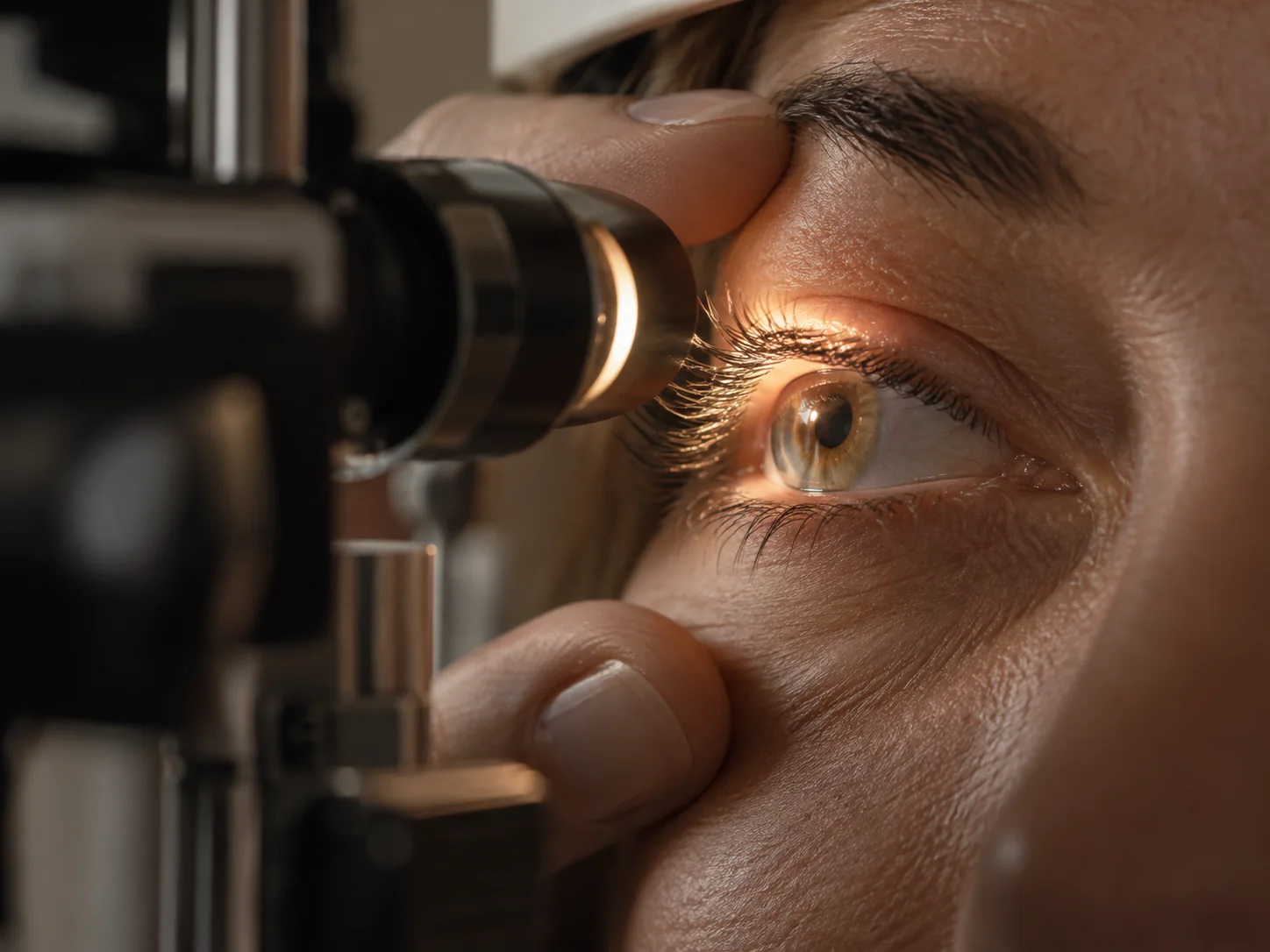
At Cohenmehr Optometry, our eye doctors in Los Angeles confirm which one you have at the slit lamp, under magnification, and rule out an infection that needs different care. Then we work in steps:
- Conservative care first: antibiotic and steroid drops or ointment, plus a heated eye mask at home.
- If that doesn't work, intense pulsed light (IPL) with meibomian gland expression. Pulses of light warm the thickened oil inside the glands, and right afterward the doctor presses on the lids to express the softened oil. Our IPL page explains the treatment.
- If a chalazion is still there, we talk you through how often chalazia clear up without surgery; even a stubborn one tends to fade over the following months.
- If you would rather have it removed right away, we co-manage with an oculoplastic surgeon, though we prefer to avoid incisions on the eyelid when we can.
We don't drain or inject chalazia in our office.
If bumps keep coming back, we look at the glands themselves, since chronic blepharitis and acne rosacea are risk factors. Gland imaging (meibography) is part of that work-up, and IPL, the treatment we use for meibomian gland dysfunction, treats the glands directly; our stye guide covers repeat styes.
08
Questions patients ask
Should you massage a chalazion?
Yes, gently. Massaging the outside of the eyelid for several minutes each day helps the blocked gland drain. Don't squeeze the chalazion or try to drain it yourself, because it may need treatment to heal properly. If you aren't sure how much pressure to use, ask us to show you at your visit.
Do antibiotic eye drops help a stye?
Sometimes. In most cases a stye goes away on its own, but when it doesn't, an eye doctor may prescribe antibiotic ointment or drops approved for use in the eye, and antibiotics by mouth are sometimes used when those don't work or the infection spreads. In our office, a stye that isn't settling gets antibiotic and steroid drops or ointment along with a heated eye mask.
What is a warm compress?
A warm compress is a clean, soft cloth dipped in warm water and wrung out, then held on the closed eyelid. For a chalazion, the warmth may help soften the hardened oil blocking the gland so it can drain and heal. A heated eye mask holds its warmth longer than a cloth; our guide to warm compresses done right compares the two.
What is blepharitis?
Blepharitis is an inflammation of the eyelids that makes them red, irritated and itchy, with dandruff-like scales on the lashes. It can affect the front edge of the lid where the lashes attach, or the inner edge that touches the eye. Treatment centers on keeping the lids clean and free of crusts: warm compresses loosen the crusts, then the lids are gently scrubbed with an over-the-counter lid cleansing product.
09
Sources
- American Optometric Association: Stye
- American Optometric Association: Chalazion
- MedlinePlus: Eyelid disorders
- MedlinePlus: Eye infections
- American Optometric Association: Blepharitis
- StatPearls: Hordeolum (stye)
- StatPearls: Orbital cellulitis

Written by
Dr. Bijan Cohenmehr, OD
Founder of Cohenmehr Optometry, in practice for over 40 years. He leads the practice’s dry eye care and myopia management. A graduate of SUNY College of Optometry.
About Dr. Bijan →