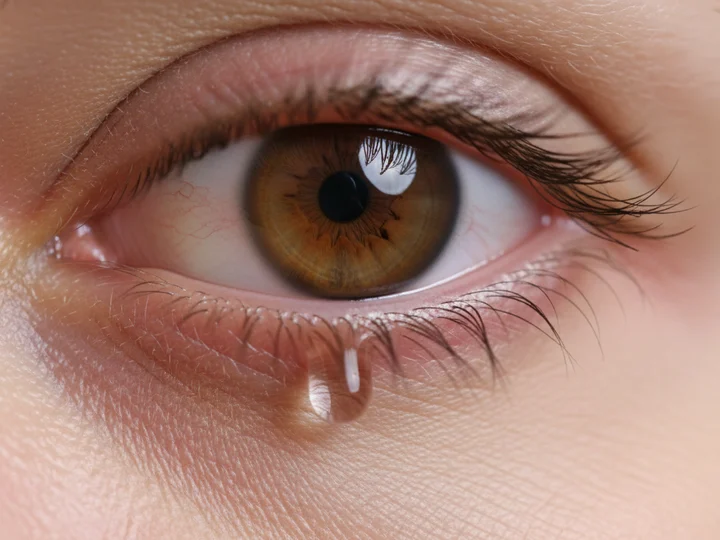
To clean your eyelids, wash your hands, mix warm water with a gentle cleanser such as baby shampoo, and press a soft cloth dipped in it against your closed eye for a few minutes to loosen crusts. Then gently rub back and forth where the lashes meet the lid, rinse with clean water, and repeat on the other eye with a new cloth. Eyelid wipes are a ready-made option for the scrubbing step. If you have blepharitis, which is inflammation of the eyelids, clean them every day: keeping it under control takes a routine for life.
Key takeaways
- Hold a cloth dipped in warm water and a gentle cleanser on the closed eye for a few minutes, then rub gently along the lash line and rinse.
- Eyelid wipes can do the daily scrub, and if crusts cling, warm the lids first with a heated eye mask or a warm, wet cloth.
- A flare of blepharitis, or eyelid inflammation, usually settles within days to a few weeks of daily lid cleaning and tends to return when you stop.
- A red, swollen eyelid with fever, a bulging eye or painful eye movement means calling us and coming straight in, or an emergency room when we're closed.
01
Who should clean their eyelids every day?
Anyone with blepharitis, plus people whose lids tend to crust, itch or form styes. Blepharitis is a common condition that makes the eyelids red, swollen, irritated and itchy. Most of the time it comes from too much bacteria at the base of the eyelashes, and it can also start when the oil glands in the lids get clogged or irritated.
It comes in two types. Anterior blepharitis occurs at the outside front edge of the eyelid, where the lashes attach, and is commonly caused by bacteria or by dandruff of the scalp and eyebrows. Posterior blepharitis affects the inner edge of the lid that touches the eyeball. It can occur when the lid's glands produce oil irregularly, and skin conditions such as rosacea and scalp dandruff can also cause it. A daily scrub clears the lash line, and the warm first step helps keep the oil glands from clogging.
The National Eye Institute lists these common symptoms:
- A feeling that something is in your eye
- Burning or stinging
- Watery or itchy eyes
- Sensitivity to light
- Red, swollen eyes or eyelids
- Foamy tears, or tears with small bubbles in them
- Dry eyes
- Crusty eyelids or lashes when you wake up
Blepharitis often contributes to dry eye, and keeping the eyelids clean also helps prevent styes.
02
How do you clean your eyelids?
Every day, follow these steps from the National Eye Institute:
- Wash your hands with soap and water.
- Mix warm water with a gentle cleanser, like baby shampoo.
- Dip a clean, soft cloth or cotton swab in the mixture.
- Press the cloth against your closed eye for a few minutes to loosen crusts. This can also help keep your oil glands from clogging.
- Gently rub the cloth or swab back and forth along the line where your eyelashes meet your eyelid.
- Rinse your eye with clean water.
- Repeat on your other eye with a new cloth or swab.
The American Optometric Association describes the same routine, using a small amount of non-irritating baby shampoo or a commercially prepared lid scrub solution in warm water, a different clean cloth for each eye, and a rinse with clear water at the end.
03
Do eyelid wipes work?
They can do the daily scrub. The American Optometric Association lists over-the-counter lid cleansing products alongside baby shampoo for scrubbing the lids, and notes that good hygiene can help control blepharitis in many cases. StatPearls lists commercially available cleansing pads with warm compresses and lid washes for daily lid care, to limit bacteria and debris along the lash line. Eyelid cleaning wipes and non-allergenic makeup removal wipes are both sold for the job.
Use a wipe the way you'd use the cloth: wash your hands, close your eyes, wipe gently back and forth along the base of the lashes, and take a fresh wipe for the other eye. Wipes don't add warmth, and warm compresses are what loosen stuck crusts, so if crusts cling or your oil glands clog, warm the lids first with a heated eye mask or a warm, wet cloth.
Wipes keep the lash line clean from day to day. They can't lift the film of bacteria and debris that sticks to the lid margin, which is what in-office exfoliation removes, and they rarely clear an established overgrowth of Demodex, microscopic mites that live down in the lash follicles.
04
Baby shampoo, eyelid wipes or hypochlorous acid: which should you use?
A gentle, non-irritating cleanser that you'll keep using every day. The common options:
| Option | How it's used | Good to know |
|---|---|---|
| Diluted baby shampoo | A small amount in warm water, on a soft cloth or cotton swab, then rinsed off | Named by both the NEI and the AOA as a gentle cleanser |
| Lid scrub solution or foam | Worked along the lash line with a clean cloth, then rinsed | The AOA suggests one recommended by your optometrist |
| Eyelid wipes | One wipe per eye, wiped gently along the closed lid | Pre-moistened, so there's nothing to mix |
| Hypochlorous acid solution | Used as the label directs | Listed with diluted cleansers for daily lid cleansing; ask which suits your lids at your exam |
Lid cleansers made with hypochlorous acid are another option. Daily lid cleansing with diluted cleansers or hypochlorous acid solutions is one of the basic treatments for blepharoconjunctivitis, an advanced stage of blepharitis in which the inflammation spreads to the conjunctiva, the thin lining over the white of the eye. As part of blepharitis care, we pick between wipes, cleansers and sprays based on what we see on your lids at the exam.
05
How often should you clean your eyelids?
Every day if you have blepharitis. The National Eye Institute advises cleaning the lids with water and a gentle cleanser daily to remove crusts, and because blepharitis usually doesn't go away completely, the routine is for life.
Even with successful treatment, blepharitis may come back. A blepharitis flare usually settles within days to a few weeks once daily lid hygiene starts, and it tends to come back when the routine stops.
For some people blepharitis causes only minor irritation and itching, but it can also lead to blurred vision, missing or misdirected eyelashes, and inflammation of other eye tissue, particularly the cornea, which is a good reason to keep the routine going. It isn't contagious, and it usually doesn't cause lasting damage.
06
What should you avoid when cleaning your eyelids?
- Don't scrub hard: touching and rubbing irritated lids can lead to a secondary infection.
- Don't reuse a cloth, swab or wipe on the second eye; start fresh for each one.
- Don't wear contact lenses while you treat a flare; the AOA suggests a break from them during treatment.
- Don't squeeze a stye that forms on the lid.
07
When is cleaning your eyelids not enough?
When your lash lines stay flaky, itchy and red even with good home cleaning, or styes keep coming back. That usually means the lid margin needs a professional clean, such as in-office eyelid exfoliation, or the oil glands need treatment.
At Cohenmehr Optometry, in-office exfoliation with BlephEx or ABMax clears crusting, debris and the bacterial film from the lash line. Sleeves of dandruff around the base of the lashes point to Demodex mites, which get targeted therapy, and when blocked oil glands drive the inflammation, our eye doctors in Los Angeles image the glands and treat them with intense pulsed light (IPL).
Call us at 310-828-2010 for a same-day visit if an eyelid becomes painful and swollen or redness spreads around the eye, or go to an emergency room when we're closed; see same-day urgent eye care. If a red, swollen eyelid comes with pain when you move your eye, trouble moving the eye, a bulging eye or a fever, call us and come straight in, or see another eye doctor; when we're closed, go to an emergency room. Those signs can mean the infection has spread behind the eye (orbital cellulitis), which is an emergency.
08
Questions patients ask
How do you treat blepharitis?
Keeping the eyelids clean and free of crusts is the main treatment, and your eye doctor can add medicine when a flare needs it. Steroid eye drops can control redness, swelling and irritation, artificial tears can help, and antibiotic eye drops, ointments or pills treat blepharitis caused by bacteria. If another problem such as rosacea or dandruff is behind it, treating that condition helps too.
How can you tell blepharitis from pink eye?
Look at the white of the eye. Pink eye can turn it pink or red and often brings discharge (pus or mucus), and the viral and bacterial kinds are very contagious. Blepharitis centers on the eyelid edges, often with crusty lids or lashes on waking, and isn't contagious. Both can make the lids swollen and itchy, so if you can't tell, keep your hands and towels to yourself and have it checked; pain, light sensitivity or blurred vision calls for a same-day visit, or an emergency room when we're closed.
Can eyelid wipes irritate your eyes?
They can. If you use makeup removal wipes on your lids, NIH's eyelid-care tips name the non-allergenic kind. Pick a gentle, non-irritating cleanser and use it on closed lids. If a product causes irritation, stop using it right away, and see a doctor if the irritation persists; that's the FDA's advice for eye cosmetics, and a good rule for any lid product.
Can you wear eye makeup with blepharitis?
Not during a flare. The American Optometric Association advises limiting or stopping eye makeup during treatment because it makes lid hygiene more difficult. The FDA adds that eye cosmetics should be avoided while the skin around the eye is inflamed or infected, until it heals, and that products used during an eye infection should be thrown out. Once your lids calm down, take all eye makeup off at bedtime, which also helps prevent styes.
09
Sources
- National Eye Institute: Blepharitis
- American Optometric Association: Blepharitis
- NIH News in Health: Eyelid trouble?
- American Optometric Association: Hordeolum (stye)
- FDA: Eye cosmetic safety
- CDC: About pink eye
- StatPearls: Blepharoconjunctivitis
- StatPearls: Orbital cellulitis

Written by
Dr. Bijan Cohenmehr, OD
Founder of Cohenmehr Optometry, in practice for over 40 years. He leads the practice’s dry eye care and myopia management. A graduate of SUNY College of Optometry.
About Dr. Bijan →