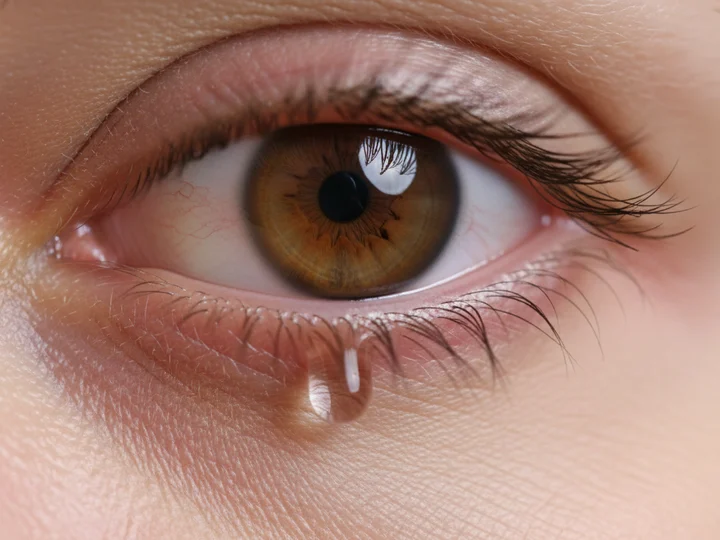
Eyelid dermatitis is inflammation of the skin on the eyelids. The skin turns red and itchy and can become dry, flaky or swollen. Two common causes are contact dermatitis, a reaction to something that touched the lid such as makeup, skin care or hair dye, and atopic dermatitis, the most common type of eczema, which in teenagers and adults typically shows up on the eyelids, wrists and ankles and in the bends of the elbows and knees. Treatment starts with finding and stopping the trigger and caring for the skin gently. The eyelid sits right next to the eye, so ask a doctor before you put a steroid or anti-itch cream on it.
Key takeaways
- Eyelid dermatitis is an itchy, red rash on the eyelid skin, commonly from something that touched the lid or from eczema (atopic dermatitis).
- Fragrances, preservatives, hair dyes and metals such as nickel are common cosmetic allergens, and a product you have used for years can still cause a reaction.
- Stop the trigger and care for the skin gently, but check with a doctor before using any steroid or anti-itch cream so close to the eye.
- Signs of a severe allergic reaction after using a product, such as swelling of the lips, tongue or throat or wheezing, mean calling 911.
01
What does eyelid dermatitis look like?
It looks like a rash on the lid: red, itchy skin that may be dry or flaky, sometimes with small bumps or swelling.
With contact dermatitis, the rash appears where the trigger touched the skin. Some rashes develop right away and others form over several days.
Sensitivity can also build over time, so a product you have used for years can be the cause. FDA notes that people can react to a hair dye even after dyeing their hair before without a problem, and that sensitivity to allergens can become more severe over time.
Scratching makes it worse. Scratching skin with eczema turns it redder and makes it swell and itch even more, and over time scratching can lead to oozing, crusting and thick, hardened skin.
02
What causes contact dermatitis on the eyelids?
It comes from something that touched the lid, either through an allergy or through plain irritation. When a cosmetic causes an allergic reaction, it most often appears as an itchy, red rash, a condition called allergic contact dermatitis, and some ingredients can irritate the skin whether or not you have allergies.
FDA sorts the common cosmetic allergens into five classes:
- Natural rubber, which labels may list as latex
- Fragrances, which a label may list only as fragrance or perfume, without naming the ingredients
- Preservatives, such as methylisothiazolinone (MIT) and ingredients that release formaldehyde, like quaternium-15
- Dyes, such as p-phenylenediamine (PPD), used in hair dyes and black henna tattoos
- Metals, such as nickel and gold
Some coal-tar hair dyes can cause allergic reactions. Keep hair dye away from your eyes and never use it on your eyebrows or eyelashes: FDA warns that this can hurt your eyes and may even cause blindness.
Lash adhesives for false lashes and extensions also sit on the lid, and FDA advises checking their ingredients before you use them. Medicated products can cause reactions too. Reports since the approval of Latisse, a prescription eyelash solution brushed along the upper lash line, include local allergic reactions, rash, and dry or flaking eyelid skin.
A label that says hypoallergenic, fragrance-free or for sensitive skin doesn't settle it. There is no federal standard or definition for those terms, so read the ingredient list instead.
03
Could eczema be causing it?
It could. Atopic dermatitis causes dry, itchy skin and red rashes that come and go, and in teenagers and adults the rashes typically appear on the eyelids, wrists and ankles and in the bends of the elbows and knees. It is commonly associated with allergies: up to 60 percent of people with atopic dermatitis develop asthma or hay fever later in life.
Eczema is often long-lasting and can get better or worse over time. You can prevent some types by avoiding things that irritate your skin, such as certain soaps, fabrics and lotions, and things you are allergic to, such as foods, pollen and animals.
When the eyes themselves itch and water along with the lids, an eye allergy may be involved too. Our page on eye allergies explains how we treat it.
04
Is it dermatitis, blepharitis or an eye allergy?
They can look alike, and an eye exam is how they're told apart. The American Optometric Association notes that dry eye and blepharitis have symptoms similar to eye allergies, so diagnosis takes a comprehensive eye exam.
| Condition | Where it is | What you notice | Common causes |
|---|---|---|---|
| Eyelid dermatitis | The skin of the eyelid | Red, itchy skin that can be dry, flaky or swollen | Something that touched the skin; atopic dermatitis (eczema) |
| Blepharitis | The lid edges, where the lashes grow | Red, swollen, itchy lids; burning; crusty lids or lashes | Too much bacteria at the base of the lashes; clogged oil glands; rosacea or scalp dandruff |
| Eye allergy | The eye itself | Itching, redness and swelling in one or both eyes | Allergens, seasonal or year-round; a reaction to contact lenses |
Blepharitis is a common condition that makes the eyelids red, swollen, irritated and itchy. Most of the time it comes from too much bacteria at the base of the lashes, and clogged oil glands and skin conditions such as rosacea and scalp dandruff can cause it too. Eye allergies cause itching, redness and swelling, from allergens that can be seasonal or year-round, or from a reaction to contact lenses.
05
How do you treat eyelid dermatitis?
Start by stopping the trigger. If an eye cosmetic causes irritation, stop using it right away, and see a doctor if the irritation persists.
- Care for the skin gently. Treatments for eczema include medicines, skin creams and good skin care, and moisturizers are among the treatments for a rash.
- Ask before you use a steroid cream on the lid. Cortisone creams relieve swelling and antihistamines relieve itching, but the eyelid is next to the eye. An over-the-counter hydrocortisone label says to avoid contact with the eyes, a prescription steroid cream's label says the same and to use it as the physician directs, and steroids are among the medicines that can raise the risk of high eye pressure.
- Find the cause if it isn't obvious. Your healthcare provider may recommend patch testing: small amounts of possible allergens stay on the skin under a cover for 48 hours, a physician checks the skin at 72 to 96 hours, and the whole test takes two to three office visits.
- Avoid what you react to. Knowing exactly which allergen caused a reaction helps you avoid it from then on.
06
When should you see a doctor about eyelid dermatitis?
See a doctor if the rash is bad, doesn't go away, or comes with other symptoms. These need faster care:
- Swelling of the lips, tongue or throat, wheezing, shortness of breath, trouble swallowing, chest pain, lightheadedness or fainting after using a product: call 911. These can be signs of anaphylaxis, a severe allergic reaction that FDA says is rare with cosmetics but can be life-threatening.
- Hair dye, a cleanser or another product splashed into the eye: rinse right away with lots of room-temperature water for at least 15 to 20 minutes, letting the water run from the bridge of your nose into the eye, and take out contact lenses. Then call Poison Control at 1-800-222-1222, and us at 310-828-2010 or an emergency room.
- Redness and swelling that spread beyond the eyelid to your cheek or face: the American Optometric Association says to contact your eye doctor immediately. Call us at 310-828-2010 right away for a same-day visit, or go to an emergency room when we're closed.
- A swollen, red eyelid with a fever, a bulging eye, pain when you move your eye or a change in your vision: during office hours, call us at 310-828-2010 and come straight in, or see another eye doctor; when we're closed, go to an emergency room. These can be signs of orbital cellulitis, an eyelid infection that has spread behind the eye. It is an ocular emergency and needs immediate medical care.
- Eye pain or sensitivity to light: call us for a same-day exam, or go to an emergency room when we're closed. If you wear contact lenses, take them out first.
Office hours are Monday 10 to 5 and Tuesday through Friday 8 to 5. Our urgent eye care page explains how same-day visits work.
07
How we check itchy, flaky lids at Cohenmehr Optometry
At Cohenmehr Optometry, we look at the lids, the lash line and the eye itself. At a lid evaluation we examine the lash line at the slit lamp to see whether blepharitis or Demodex mites are part of the itch, since each is treated differently. Demodex are tiny parasites that can cause blepharitis.
When an eye allergy is involved, treatment uses prescription-strength allergy drops, cool compresses, preservative-free tears and trigger control. When the lid margins are inflamed, as with blepharitis, it can include daily lid hygiene, warm compresses and professional eyelid exfoliation.
If itchy, flaky lids keep coming back, call 310-828-2010 or book a lid evaluation.
08
Questions patients ask
Is eyelid dermatitis contagious?
No. Eczema, which is also called dermatitis, is not contagious, and a rash from makeup or another product is your own skin's allergic or irritant reaction to it. A red, swollen and tender bump at the edge of the lid is a different problem: a stye, an infection of an oil gland at the edge of the eyelid.
How long does eyelid dermatitis last?
It depends on the cause. Most rashes clear up fairly quickly, but some are long-lasting and need long-term treatment, and eczema is often long-lasting, getting better or worse over time. If a rash on your lids is bad or doesn't go away, see a doctor, and ask before you put a steroid cream on it, since the eyelid sits next to the eye.
Can stress cause eyelid dermatitis?
Stress can play a part when eczema is behind it. MedlinePlus lists stress among the things to avoid to prevent some types of eczema, along with irritating soaps, fabrics and lotions and things you are allergic to. If your lids flare again and again, look for a product trigger too, since contact dermatitis appears where something irritating or allergy-causing touched the skin.
Can you wear makeup with eyelid dermatitis?
Not on inflamed skin. FDA advises avoiding eye cosmetics when the skin around the eye is inflamed and waiting until the area has healed. When you start again, read ingredient lists and avoid ingredients you know or think you are allergic to. Our page on makeup, lashes and dry eye explains why liner belongs outside the lash line, away from the openings of the oil glands.
09
Sources
- MedlinePlus Genetics: Atopic dermatitis
- MedlinePlus: Eczema
- MedlinePlus: Rash
- FDA: Allergens in cosmetics
- FDA: Eye cosmetic safety
- FDA: Hair dyes
- DailyMed: Latisse label
- American Optometric Association: Ocular allergies
- National Eye Institute: Blepharitis
- DailyMed: Cortizone-10 hydrocortisone cream label
- DailyMed: Desonide cream label
- American Optometric Association: Ocular hypertension
- American Optometric Association: Hordeolum (stye)
- Poison Control: Splashed a poison in your eye?
- MedlinePlus: Anaphylaxis
- MedlinePlus: Eyelid disorders
- StatPearls: Orbital cellulitis

Written by
Dr. Bijan Cohenmehr, OD
Founder of Cohenmehr Optometry, in practice for over 40 years. He leads the practice’s dry eye care and myopia management. A graduate of SUNY College of Optometry.
About Dr. Bijan →