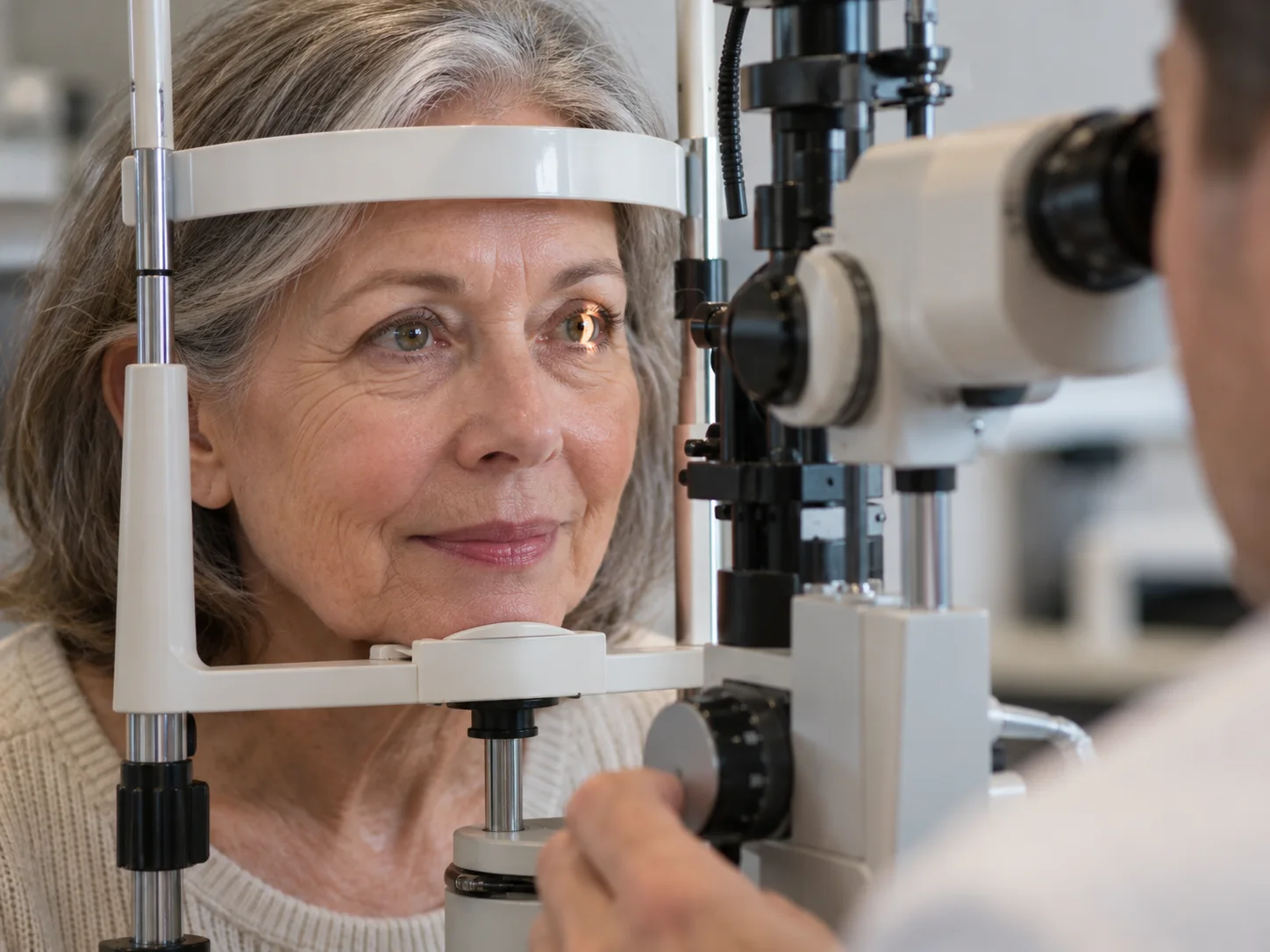
A cataract is the eye’s natural lens gradually turning cloudy. Colors flatten, night driving fills with glare, and new glasses stop helping the way they used to. Cataracts develop over years — which is why the change sneaks up on almost everyone.
Frequent prescription changes that help less each time
Double or ghosted images in one eye
When is it time?
Not at diagnosis — at interference. When the cataract starts costing you night driving, reading or confidence, surgery becomes worth it. Until then, our eye doctors in Los Angeles track it and keep your correction current.
Tracked here, operated by a surgeon, recovered here.
We confirm the cataract and measure its real effect on your vision, update glasses while surgery can wait, and when it can’t, refer you to a trusted cataract surgeon with complete records. Implant options, including astigmatism-correcting and multifocal lenses, get explained here in plain language before you choose.
After surgery, your follow-ups happen in our office: healing and pressure checks, drops, the second eye’s timing, and your final prescription once everything settles.
Good news
Cataract surgery is routine and life-changing.
The cloudy lens is replaced with a clear implant
Vision and color return, often better than in years
Medicare and medical insurance typically cover standard surgery
No. A clouding membrane can develop behind the implant later; a quick laser procedure clears it.
Very advanced cataracts are harder to remove, and in the meantime you live with poor vision. Waiting for interference is right; waiting years past it isn’t.
Often lighter ones, sometimes mostly none — it depends on the implant chosen. We go through the options with you before the referral.
A cataract is a cloudy area in the lens of the eye, the clear structure behind the pupil that focuses light. Early on there are no symptoms; over years vision turns blurry or hazy, colors fade, night glare worsens and glasses stop helping. By age 80, most Americans either have a cataract or have had one removed. It is found on a dilated exam.
Age, mostly. From around 40, proteins in the lens begin to break down and clump, and over decades the clouding thickens. Diabetes, smoking, heavy alcohol use, long sun exposure, steroid medicines, eye injury or eye surgery, and a family history all speed it up. Sunglasses and a brimmed hat are the one preventive step with evidence behind them.
Yes. Medicare Part B covers cataract surgery with a conventional intraocular lens, plus one pair of standard glasses or contact lenses afterward; after the deductible you pay 20% of the approved amount. Premium implants that correct astigmatism or presbyopia cost extra out of pocket, which is part of the conversation we have before the referral.
About an hour from check-in to leaving, with the operation itself taking a fraction of that. It is done awake with numbing drops and light sedation, one eye at a time, and you go home the same day; the second eye usually follows a few weeks later. Most people notice clearer vision within days. Your follow-ups, drops and final glasses prescription happen back in our office through cataract co-management.
Also consider
Next step
Is a cataract behind the glare?
Book an evaluation. We’ll show you what the lens looks like and whether it explains what you’re noticing.